





Why Pollinators Are Essential
Before we dig in, it’s worth remembering what we’re fighting for. Pollinators—a group that includes bees, butterflies, moths, beetles, hummingbirds, and even some bats—are the unsung heroes of our food system. They are responsible for the reproduction
of over 85% of the world's flowering plants, including more than two-thirds of the world's crop species. That apple in your lunch, the almonds in your granola, the coffee in your mug? Thank a pollinator. Beyond our plates, these creatures are keystone species in their ecosystems. They support the growth of plants that provide food and shelter for countless other animals, stabilize the soil, and clean the air. A world without a robust pollinator population is a world with less food, less biodiversity, and far less natural beauty.
The Challenge: A World of Obstacles
It's no secret that pollinator populations are in trouble. Decades of habitat loss have fragmented the landscape, replacing wildflower meadows and native forests with lawns, pavement, and monoculture farms. This creates “food deserts” for pollinators, leaving them without the diverse nectar and pollen sources they need to survive and thrive. Add to that the widespread use of pesticides, particularly neonicotinoids, which can be lethal to bees and other insects even at low exposure levels. Climate change further complicates their survival, altering the timing of blooms and pushing species outside of their historic ranges. Faced with these large-scale problems, it's easy to feel helpless.
Your Yard: A Crucial Urban Oasis
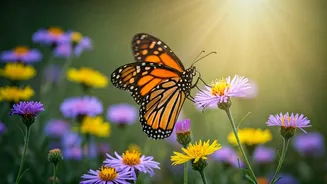
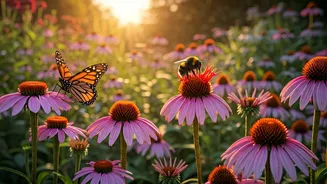
Here’s the good news: you can be a powerful part of the solution. While we can’t all restore a prairie, we can cultivate a patch of pollinator paradise. A single well-planned garden, or even a few containers on a balcony, can become a vital refueling station. Think of pollinator gardens not as isolated islands, but as connected stops along a “pollinator highway.” Your yard can provide a safe place for a migrating monarch to rest and lay eggs, or offer a critical nectar source for a queen bee emerging in early spring. By creating these small havens, we help build corridors of habitat that stitch our fragmented landscapes back together, allowing pollinator populations to move, feed, and flourish.
The Pollinator-Friendly Blueprint
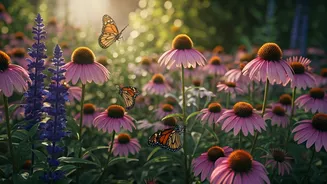
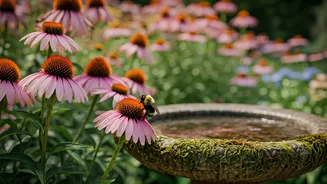
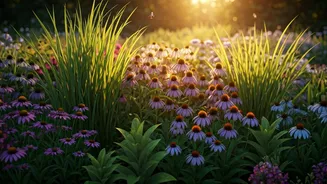
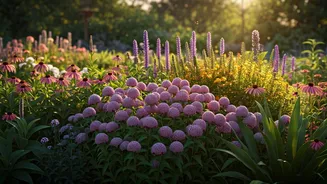
Creating an effective pollinator garden isn’t about immaculate landscape design; it’s about function. The goal is to provide food, water, and shelter. First, focus on native plants. Native flowers, shrubs, and trees are adapted to your local climate and have co-evolved with local pollinators, offering the exact type of pollen and nectar they need. Your local university extension or native plant society can provide lists of regional all-stars like coneflowers, milkweed, bee balm, and asters. Second, plant for continuous blooms. Aim to have something flowering from early spring through late fall. This provides a consistent food supply for the entire season. Third, offer a water source. A simple shallow dish filled with pebbles and water gives insects a safe place to drink without drowning. Finally, and most critically, ditch the pesticides. Embrace a little imperfection and learn to manage pests with natural solutions, like introducing beneficial insects. A few aphids on a rose are a small price to pay for a garden buzzing with life.
It's More Than Just Honeybees
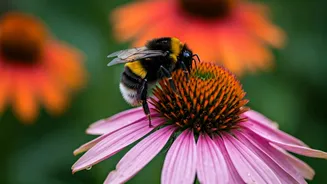
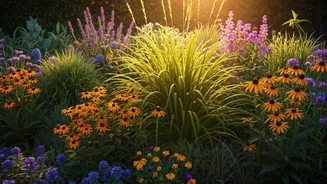
While honeybees get most of the attention, North America is home to thousands of species of native bees—from fuzzy bumblebees to tiny sweat bees—that are often more efficient pollinators for native plants. A diverse garden supports a diverse cast of characters. Different flower shapes, colors, and sizes attract different pollinators. Tubular red flowers are hummingbird magnets, while flat-topped flower clusters like yarrow are perfect landing pads for butterflies and beetles. By planting a variety, you’re setting a banquet table for everyone.