







So, What Is Walking Yoga?
Forget the image of someone attempting a warrior pose mid-stride on a busy sidewalk. Walking yoga, sometimes called 'Yogic Walking,' is a much more fluid and meditative practice. At its core, it’s a form of mindful movement that integrates the principles
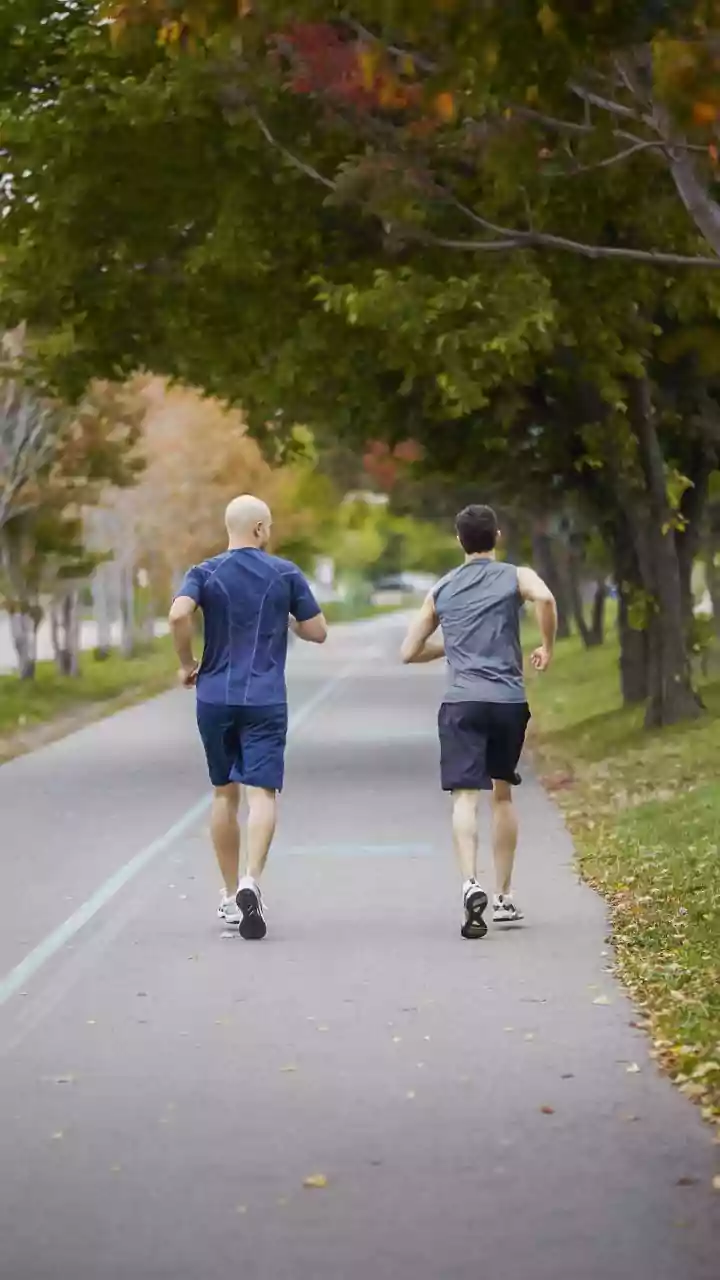
of yoga—conscious breathing (pranayama), focused awareness, and gentle posture—with the simple, rhythmic act of walking. Instead of a fast-paced power walk aimed at burning calories, the goal is to synchronize your steps with your breath, turning a mundane activity into a moving meditation. Practitioners focus on the sensation of their feet on the ground, the rhythm of their inhalation and exhalation, and maintaining an upright, engaged posture. It’s less about athletic performance and more about cultivating a sense of presence and inner calm.
The Core Components: Breath, Body, and Awareness
Walking yoga is built on a few key pillars. First is the breath. A common technique involves coordinating steps with the breath cycle: for example, inhaling for four steps and exhaling for four steps. This simple synchronization helps calm the nervous system and focuses the mind, preventing it from wandering to a long to-do list or daily anxieties. Second is posture. Practitioners are encouraged to walk with an elongated spine, relaxed shoulders, and an engaged core, mirroring the postural integrity of a standing yoga pose like Tadasana (Mountain Pose). This transforms a potentially slouchy walk into an active, body-aware exercise. Finally, there's mindfulness. The practice encourages a deep connection to the present moment by paying attention to sensory details—the feeling of the air, the sounds of the environment, the movement of the body. Some variations also incorporate simple hand gestures (mudras) to further deepen the meditative state.
Why Now? An Answer to Modern Burnout
The resurgence of interest in walking yoga within India’s urban wellness circles isn't accidental. It speaks directly to the pressures of modern life. For millions living in bustling cities like Mumbai and Delhi, high-stress jobs and long hours spent sitting at a desk have created a demand for accessible, low-impact wellness solutions. Walking yoga requires no special equipment, no expensive studio membership, and can be practiced anywhere, from a city park to a quiet residential street. It offers a powerful antidote to both a sedentary lifestyle and a scattered, digitally-overloaded mind. For many in India, it also represents a return to an authentic, simplified form of practice, away from the hyper-commercialized and often intimidating world of advanced studio yoga. It feels like a natural extension of a philosophy that has always been part of the cultural fabric.
From Mumbai to Main Street?
Could this be the next wellness trend to make its way to the U.S.? The potential is certainly there. American wellness enthusiasts are already embracing concepts like 'soft wellness' and 'mindful movement.' We’re obsessed with hitting our daily step counts, but many are looking for ways to make that activity more meaningful. Walking yoga fits perfectly into this niche. It combines the cardiovascular benefits of walking with the mental clarity of meditation, making it a highly efficient practice for time-crunched individuals. It’s also incredibly inclusive, accessible to people of all ages and fitness levels, unlike more physically demanding yoga styles. As global wellness trends continue to be shaped by a desire for authenticity and simplicity, the quiet, profound practice of walking yoga may soon be stepping into the American mainstream.