
Beyond the Buffet Line
For decades, the mainstream American experience of Indian cuisine was often defined by a handful of dishes—chicken tikka masala, saag paneer, garlic naan—served in ornate but predictable settings. Food festivals and community gatherings frequently followed
a similar script, emphasizing abundance and familiar comforts. While delicious, this model often flattened the subcontinent's vast, hyper-regional culinary diversity into a single, easily marketable package. But now, a new generation of chefs, home cooks, and cultural entrepreneurs is pushing back. They are using food as a medium for something more ambitious: exploring the nuances of their identity, challenging stereotypes, and building community in spaces that are curated, intimate, and deeply personal.
The Meal as a Memoir
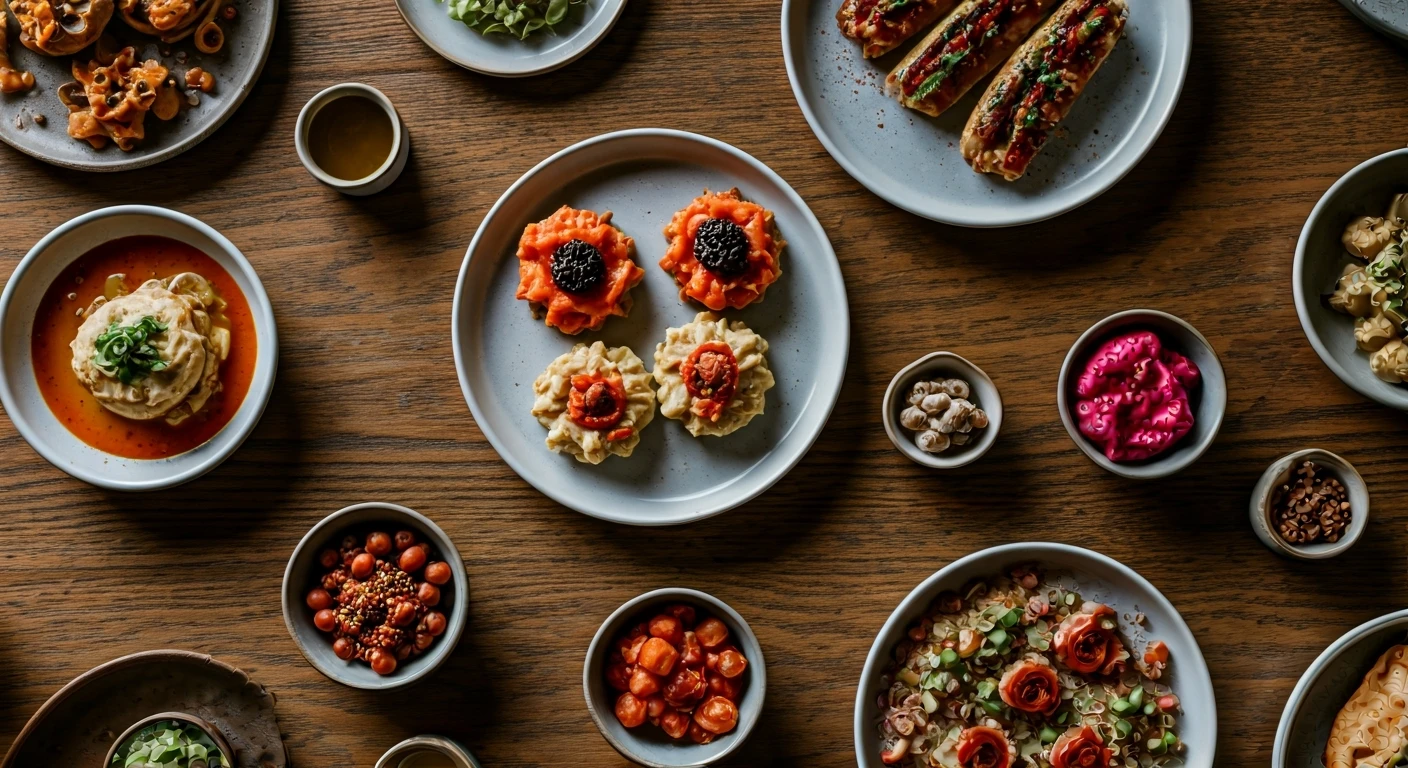
At the heart of this movement is the idea of food as a form of storytelling. In cities like New York, Chicago, and Los Angeles, supper clubs and pop-up dinners are becoming stages for edible memoirs. A chef might serve a fish curry not just with a list of ingredients, but with a story of learning the recipe from their grandmother in a coastal village in Kerala. A course of dal could be introduced with a reflection on how its preparation differs between Hindu and Muslim families in Lucknow. This isn't just about authenticity; it's about personal history. Each bite is infused with context, transforming the act of eating into an act of listening. These events dismantle the monolith of “Indian food” by celebrating its most personal and specific expressions, making the chef a narrator and the diners active participants in a cultural dialogue.
Pop-Ups as Platforms for Dialogue
The temporary, flexible nature of the pop-up is the perfect format for this new culinary wave. Freed from the high overheads and rigid concepts of brick-and-mortar restaurants, organizers can be nimble and experimental. One event might focus on the overlooked vegetarian cuisine of Gujarat, while the next might explore the historical influence of the British Raj on Anglo-Indian dishes. This format fosters a unique intimacy. With smaller guest lists, diners have the chance to interact directly with the creators, ask questions, and share their own experiences. The result is less like a restaurant and more like a lively, curated dinner party. These gatherings often become safe spaces to discuss topics that go far beyond food, touching on immigration, assimilation, third-culture identity, and even the politics of a dish's origin.
From Nostalgia to Nuance
While nostalgia is a powerful ingredient, these events are not simply about recreating a lost past. Many creators are using their platforms to reclaim narratives and decolonize the menu. They question why certain ingredients are considered “premium” while others are not, or why French culinary terms grant prestige that Indian ones often don't. Some events explicitly pair food with art, poetry, or panel discussions on social justice. For instance, a dinner series might explore food's role in the 1947 Partition, serving dishes that evoke memories of displacement and resilience. By doing so, they are moving the conversation from a simple “taste of home” to a more complex and honest exploration of what it means to be of South Asian heritage in America today. It’s a sign of a community that is confident enough not only to share its food, but to share its full, unfiltered story.