

Why Monsoons Are an Allergy Trigger
The same storms that break the summer heat create a perfect storm for allergens. The gusts of wind that precede a downpour pick up immense amounts of dust, pollen from desert grasses and weeds like ragweed, and other particulates that have settled over
the dry months. When the rain finally hits, it adds moisture to the environment, which encourages the rapid growth of mold and mildew, both indoors and out. This combination means your pet is suddenly breathing in a potent cocktail of irritants. While we might sneeze and grab a tissue, our pets often express their discomfort in ways that are easy to miss or misinterpret.
Spotting Allergy Symptoms in Your Pet
Unlike humans, whose allergies often manifest as respiratory issues, dogs and cats primarily show allergic reactions through their skin. Being vigilant about changes in your pet’s behavior is the first step in providing relief. Look for tell-tale signs like: - **Excessive scratching or itching:** This is the most common symptom. They may seem restless or constantly trying to scratch an itch they can’t reach. - **Paw licking and chewing:** Allergenic inflammation can make their paws itchy and uncomfortable, leading them to lick or chew them raw. - **Rubbing their face:** You might see your dog or cat rubbing their face on carpets, furniture, or your legs. - **Recurrent ear infections:** Allergies are a leading cause of chronic ear infections, characterized by head shaking, smelly discharge, or redness inside the ear canal. - **Skin issues:** Look for hot spots (red, inflamed patches of skin), hair loss, rashes, or hives. While less common, some pets may also show respiratory signs like sneezing, coughing, or watery eyes.
Create an Allergy-Safe Haven at Home
Since your pet spends most of its time indoors, making your home a low-allergen zone is crucial during monsoon season. Start by running your air conditioning and using high-quality HEPA filters to capture airborne dust, pollen, and mold spores. Vacuum carpets and wash your pet’s bedding at least once a week in hot water to kill dust mites and remove allergens they bring in from outside. After any trip outdoors, even a quick potty break, use a damp cloth or pet-safe wipes to clean your pet’s paws and wipe down their coat. This simple step prevents them from tracking pollen and mold spores throughout your home and re-exposing themselves.
Adjust Your Outdoor and Grooming Routines
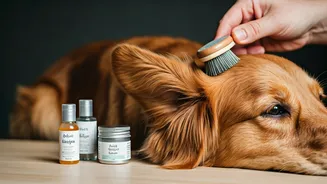
Managing outdoor exposure doesn’t mean locking your pet inside for two months. It’s about being smart. Try to plan walks for early in the morning or after a heavy rain has washed the pollen from the air. Avoid areas with high weeds or tall grasses. A consistent grooming routine can also provide significant relief. Regular brushing helps remove loose allergens from their coat before they can cause irritation. Bathing your pet with a veterinarian-recommended hypoallergenic or medicated shampoo can soothe itchy skin and wash away accumulated irritants. Be careful not to over-bathe, as this can strip their skin of essential oils; follow your vet’s guidance on frequency.
When to Call the Veterinarian
While many mild allergies can be managed at home, it’s important to know when professional help is needed. If your pet's itching is incessant, their skin is broken or bleeding, or they develop signs of a secondary infection (like a foul odor or discharge), it’s time to see the vet. Your veterinarian can confirm whether allergies are the culprit and rule out other issues. They can also prescribe effective treatments, which may include allergy medications like antihistamines, medicated topicals, or even allergy shots for severe cases. In regions where monsoons are common, vets are also on high alert for conditions like Valley Fever, a fungal infection with symptoms that can sometimes mimic allergies. A proper diagnosis is key to getting your pet the right help.