








From Biceps to the Vagus Nerve
So, what exactly is “nervous system care”? Think of it as the evolution of self-care. First, we focused on the physical body—building muscle, logging miles, and flexing for the ‘gram. Then, the focus shifted inward to the mind with the explosion of meditation
apps and mindfulness workshops. Nervous system regulation is the next, more granular step, targeting the body’s underlying electrical wiring that governs our stress response. At the heart of this trend are two key states of the autonomic nervous system: the sympathetic (“fight-or-flight”) and the parasympathetic (“rest-and-digest”). In our hyper-caffeinated, notification-driven world, many of us live in a state of chronic sympathetic activation. We’re constantly on edge, even when there’s no immediate threat. Nervous system care aims to consciously activate the parasympathetic state, promoting calm, recovery, and resilience. The buzzword you’ll hear most often is the “vagus nerve,” a superhighway of nerve fibers that plays a crucial role in switching off our stress alarm.
The Age of Anxiety Gets a New Playbook
It’s no coincidence this trend is booming now. The collective burnout from the pandemic, coupled with constant digital overstimulation and economic uncertainty, has left people searching for deeper solutions than a scented candle or a weekend getaway. We’re exhausted in a way that sleep alone can’t seem to fix. This has created a hunger for practices that address the physiological roots of anxiety and exhaustion. Nervous system regulation offers a tangible, body-based approach that feels more proactive than simply “trying to relax.” Instead of telling someone to “just calm down,” this movement provides a toolkit. It reframes anxiety not as a personal failing, but as a physiological state that can be influenced and managed through specific actions. For a generation fluent in the language of therapy and self-optimization, the idea of “hacking” one’s own stress response is incredibly appealing.
Inside the Regulation Studio
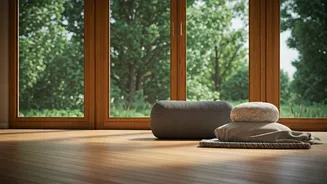
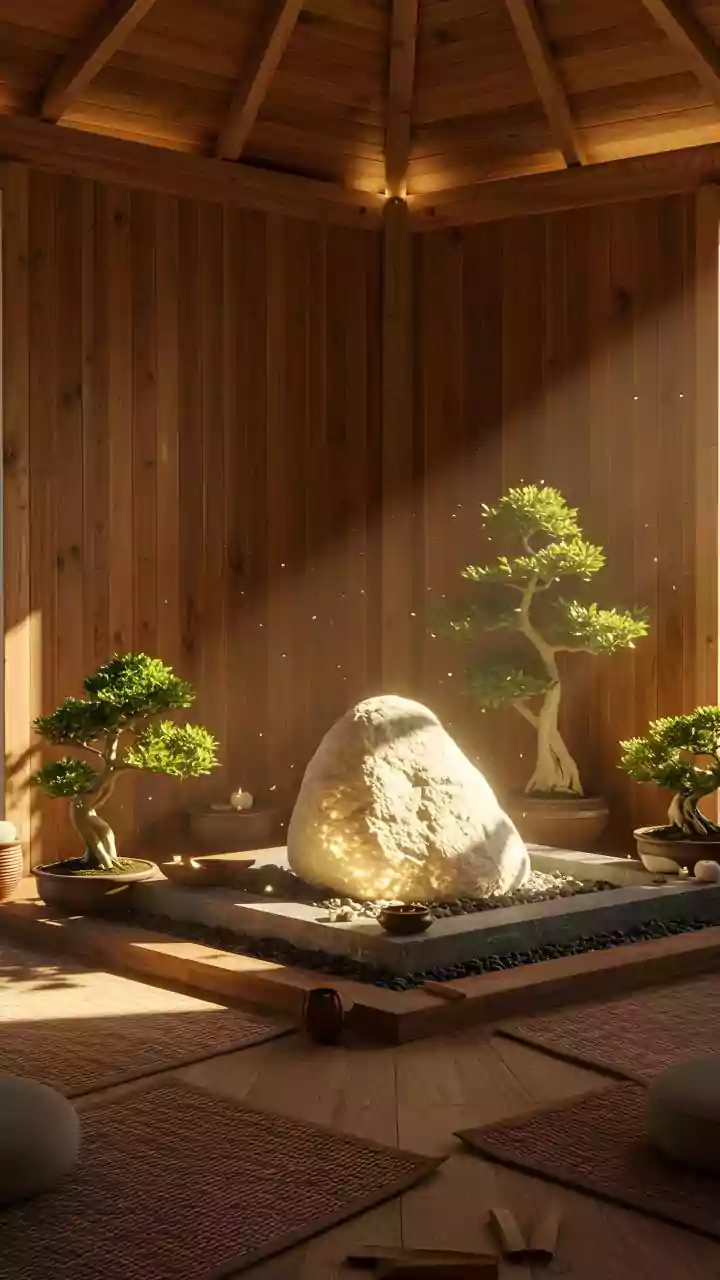
Walk into one of the new spaces dedicated to this practice, and you won’t find treadmills or weight racks. Instead, you’ll find a menu of experiences designed to soothe, not strain. These studios package ancient practices and modern science into sleek, accessible classes. Common offerings include guided breathwork sessions, where specific breathing patterns are used to influence heart rate and activate the vagus nerve. Sound baths use resonant frequencies from gongs and crystal bowls to create a meditative, physically calming experience. You’ll also find somatic movement classes, which involve gentle, mindful movements to release stored tension in the body. Perhaps most visibly, the trend includes contrast therapy—cycles of hot saunas and ice-cold plunges—which proponents claim creates a powerful reset for the nervous system. While none of these modalities are new, their branding under the unified banner of “nervous system regulation” is what makes this a distinct cultural moment.
Is This Just a High-Priced Placebo?
With any wellness trend comes a healthy dose of skepticism. Is paying $50 for a class on how to breathe just another way to sell relaxation to the affluent? To an extent, yes. The commercialization of these practices inevitably puts a price tag on techniques that can be done for free at home. However, it’s not all marketing fluff. The science backing many of these methods is solid. Deliberate, slow breathing has been shown in numerous studies to lower blood pressure and reduce cortisol. Cold exposure has been linked to a decrease in inflammatory markers. The power of these new studios may lie less in the novelty of their offerings and more in the structure, community, and permission they provide. In a world where it’s hard to switch off, dedicating an hour in a purpose-built space, guided by an instructor, can be the catalyst someone needs to actually do the work of resting.