







Welcome to India’s Coffee Country
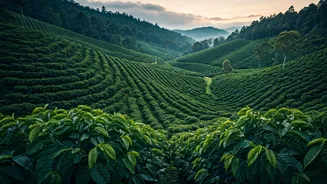
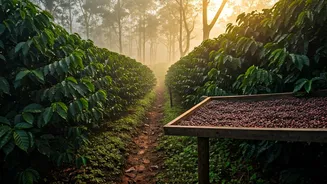
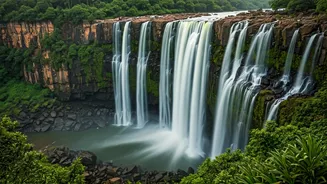
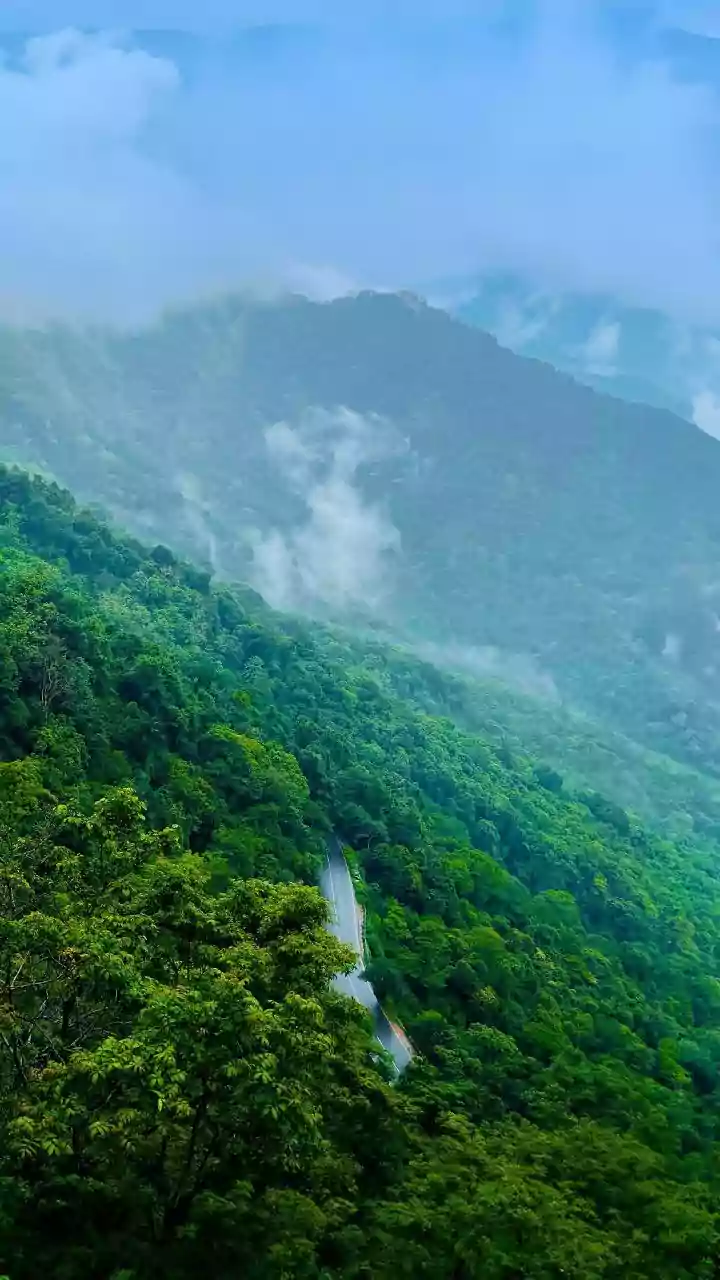
Imagine trading your standing desk for a porch overlooking rolling, mist-covered hills. This is Chikmagalur, a tranquil hill station nestled in the Western Ghats of Karnataka, India. Known as the country's primary coffee heartland, the region is a tapestry
of lush green plantations, cascading waterfalls, and dense forests. For the American remote worker accustomed to urban or suburban life, the environment itself is the first step toward recovery. The air is thick with the scent of coffee blossoms and damp earth, a stark sensory contrast to the sterile, recycled air of a home office. This isn't just a change of scenery; it’s a full-body immersion into a landscape designed for calm, where the background noise is birdsong, not traffic.
The Homestay: Your Anti-Hotel
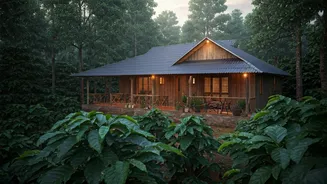
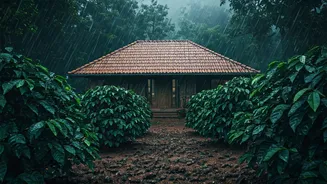
The key to the Chikmagalur experience isn't a five-star resort, but the humble 'homestay.' Unlike an impersonal hotel, a homestay invites you into a local family’s residence, often situated directly on their ancestral coffee or spice plantation. The experience is intimate and authentic. Your hosts are not just staff; they are your guides to the local culture, sharing stories over meals and pointing you toward hidden trails. Accommodations range from rustic rooms in a main house to private cottages on the property, but the ethos is the same: to provide a warm, personal, and grounded base. For a remote worker feeling isolated despite being hyper-connected, the genuine human interaction of a homestay provides a powerful antidote to digital loneliness.
What 'Unplugged' Really Means
The term 'unplugged' might sound terrifying to a professional who needs to stay connected. In Chikmagalur, however, it’s less about a total digital detox and more about intentional connectivity. Wi-Fi is often available, but it might be slower or limited to certain common areas. This isn’t a flaw; it's a feature. The setup encourages you to structure your day with purpose. You might dedicate a few focused hours to work in the morning when the connection is strongest, then spend the afternoon completely offline, exploring the plantation, reading a book in a hammock, or learning about the coffee-roasting process from your host. It re-establishes a boundary that remote work erased, forcing you to disconnect from the endless scroll and reconnect with the physical world around you.
How Nature and Novelty Fight Burnout
Burnout thrives on monotony and chronic stress. The Chikmagalur homestay experience attacks both. Psychologists speak of 'biophilia'—our innate tendency to connect with nature. Spending days surrounded by greenery, walking barefoot on the earth, and breathing fresh air has been shown to lower cortisol levels and reduce mental fatigue. At the same time, the novelty of the environment provides a crucial 'pattern interrupt.' The different foods, language, and daily rhythms jolt your brain out of its exhausted state. Instead of worrying about a looming deadline during a 5 p.m. slump, you might be watching peacocks wander across a lawn or sipping freshly brewed coffee that was grown just a few hundred feet away. This shift in focus gives your overtaxed nervous system a desperately needed chance to reset and repair.
A Day in the Life: Beans to Bedtime
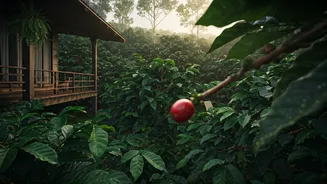
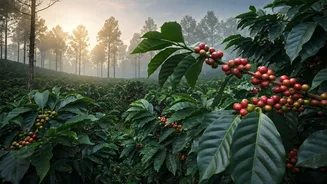
A typical day here redefines 'work-life balance.' You wake not to an alarm, but to the sounds of the plantation coming to life. After a simple, home-cooked South Indian breakfast, you find a quiet spot to log in for your most critical tasks. By lunchtime, you're done. The afternoon is yours to wander through rows of arabica and robusta plants, take a dip in a natural stream, or simply do nothing at all. Meals are communal events, featuring hyper-local ingredients and flavors you won't find in any restaurant back home. The evening doesn't end with Netflix, but with conversations under a sky brilliant with stars, far from the light pollution of the city. It’s a rhythm that feels both productive and profoundly restful.