


The Backlash to the 'Instagram' Home
Remember the era of the all-white kitchen, the artfully placed (and never-read) coffee table books, and the minimalist decor that looked stunning but felt unlivable? For the better part of a decade, the aspirational home was a polished, performative space.
Fueled by Pinterest boards and Instagram feeds, homeowners felt an unspoken pressure to create a personal show-home, a backdrop for a life that looked perfect online. Every corner had to be curated, every surface decluttered, every throw pillow karate-chopped. This pursuit of 'polish' was often about external validation—impressing guests, garnering likes, and projecting an image of effortless success. But maintaining that facade is exhausting. The constant tidying, the fear of a misplaced toy ruining the aesthetic, and the feeling of living in a museum rather than a home has led to a collective burnout.
The Great Re-Evaluation of Our Four Walls
The pivotal shift came when our homes were forced to become everything: office, school, gym, restaurant, and movie theater, all at once. The pandemic lockdowns acted as a massive, unplanned social experiment. When we were confined to our spaces 24/7, the cracks in the 'polished' ideal began to show. A pristine but uncomfortable sofa is a liability when it’s your primary seating for 16 hours a day. A kitchen designed for aesthetics over function becomes a daily frustration. We were confronted with the reality that a home’s primary job isn’t to be looked at, but to be lived in. This intense period of cohabitation with our own design choices forced a re-evaluation. The new, urgent question became: Does this space support my well-being, or does it add to my stress?
What 'Peace' in a Home Actually Looks Like
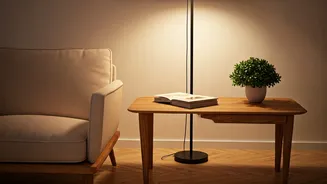
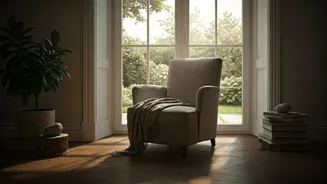
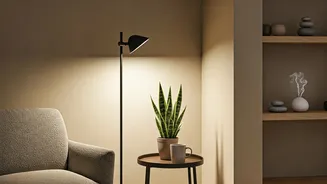
If 'polish' was about a rigid, universal aesthetic, 'peace' is about radical personalization. The new movement in home design isn't a style at all—it's a feeling. It’s about creating an environment that calms your nervous system and reflects your true self, not an algorithm’s suggestion. This manifests in several ways. We see the rise of 'dopamine decor,' where homeowners embrace bold colors and joyful patterns that make them happy, bucking minimalist trends. It’s about creating dedicated nooks for hobbies, whether it’s a cozy reading corner piled high with blankets or a dedicated table for puzzles and crafts. Imperfection is not only accepted but celebrated. The lived-in look—a few dishes by the sink, a stack of mail on the counter, a child’s drawing taped to the wall—is seen not as clutter, but as evidence of a life being lived. Peace is sensory: the texture of a nubby wool blanket, the scent of a favorite candle, the warm glow of a shaded lamp instead of harsh overhead lighting.
Designing for the Mind, Not Just the Eyes
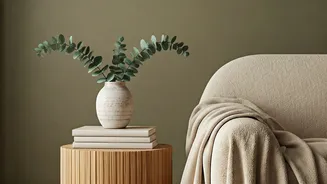
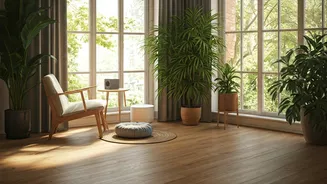
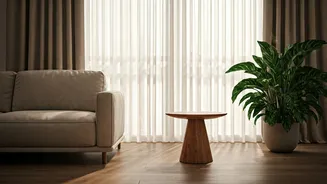
This shift is more than just a decorating trend; it’s a practical application of psychology. The burgeoning field of neuro-architecture explores how physical environments directly impact our brains and bodies. We’re intuitively rediscovering what researchers have been proving for years: natural light can boost mood, views of nature can reduce stress, and clutter can increase cortisol levels. Homeowners are now acting as their own amateur designers of well-being. They're painting walls in calming shades of green and blue, which have been shown to have a soothing effect. They're incorporating natural materials like wood and stone to create a connection to the outdoors. They're prioritizing comfortable, enveloping furniture over sharp, architectural pieces. The goal is to create a 'psychological hug'—a space that feels safe, restorative, and authentically yours.