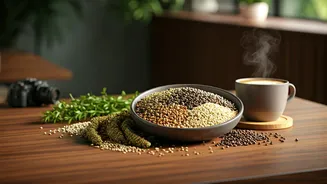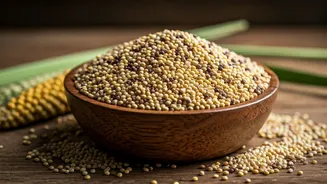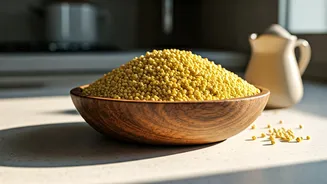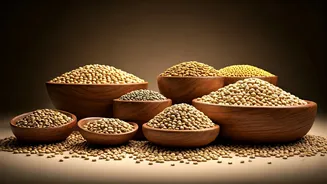

So, What Exactly Is Millet?
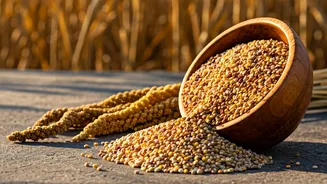
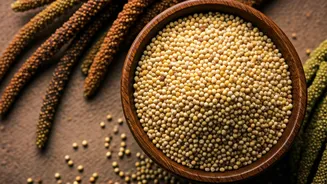
First, let's clear something up. Millet isn’t one single grain; it’s a family of small-seeded grasses that have been cultivated for over 7,000 years, making them one of humanity’s oldest foods. While it was a staple across Asia and Africa long before
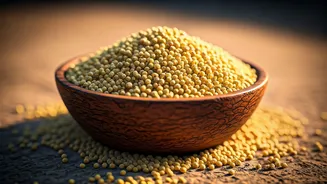
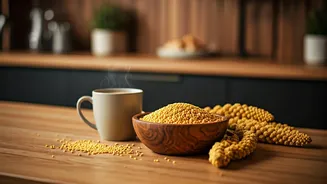
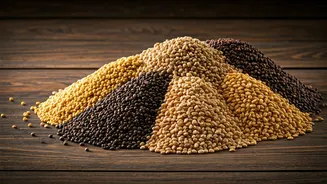
rice or wheat became dominant, many Americans know it primarily as the main ingredient in birdseed. This association has done the grain a massive disservice, obscuring its versatility and rich history. There are numerous varieties, including pearl, foxtail, proso, and finger millet, each with a slightly different flavor and texture. Generally, they share a mildly sweet, nutty taste that can be a blank canvas for both savory and sweet dishes. When cooked, it can be fluffy like couscous, creamy like porridge, or have a satisfying pop like quinoa, depending on the preparation method and the type of millet used.
The Health and Sustainability Halo
So why the sudden interest? The millet renaissance is being driven by two of the biggest forces in modern food culture: wellness and sustainability. Nutritionally, millets are a powerhouse. They are naturally gluten-free, making them a go-to for a growing segment of the population. They are also high in fiber, protein, and essential minerals like magnesium and iron, offering a more complex nutritional profile than refined wheat or white rice. From an environmental perspective, millets are what experts call a “climate-smart” crop. They are incredibly hardy, drought-resistant, and can thrive in poor soil with minimal water or fertilizer. In an era of climate change and water scarcity, a crop that requires significantly fewer resources than corn or wheat is incredibly appealing. This reality was highlighted when the United Nations declared 2023 the “International Year of Millets” to promote the grain as a solution to food insecurity and environmental strain.
From Porridge Bowls to Puffed Toppings
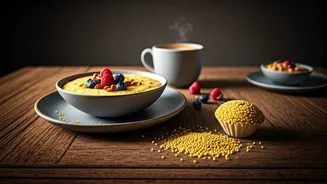
Chefs and café owners are tapping into this potential, moving millet far beyond a simple side dish. The most common entry point is the breakfast bowl. Instead of oatmeal, you might find a creamy millet porridge, slow-simmered with coconut milk and cardamom, then topped with fresh berries, toasted nuts, and a drizzle of maple syrup. The grain’s texture holds up beautifully, offering a more substantial and interesting mouthfeel than typical porridge. In savory applications, millet is replacing quinoa and rice in vibrant grain bowls. Its ability to absorb flavors makes it a perfect base for roasted vegetables, savory sauces like tahini-lemon dressing, and proteins like chickpeas or grilled chicken. Another popular innovation is using puffed millet. Like a healthier, nuttier Rice Krispie, it adds a delightful crunch to yogurt parfaits, salads, and even as a coating for energy bites.
The Future Is in the Flour
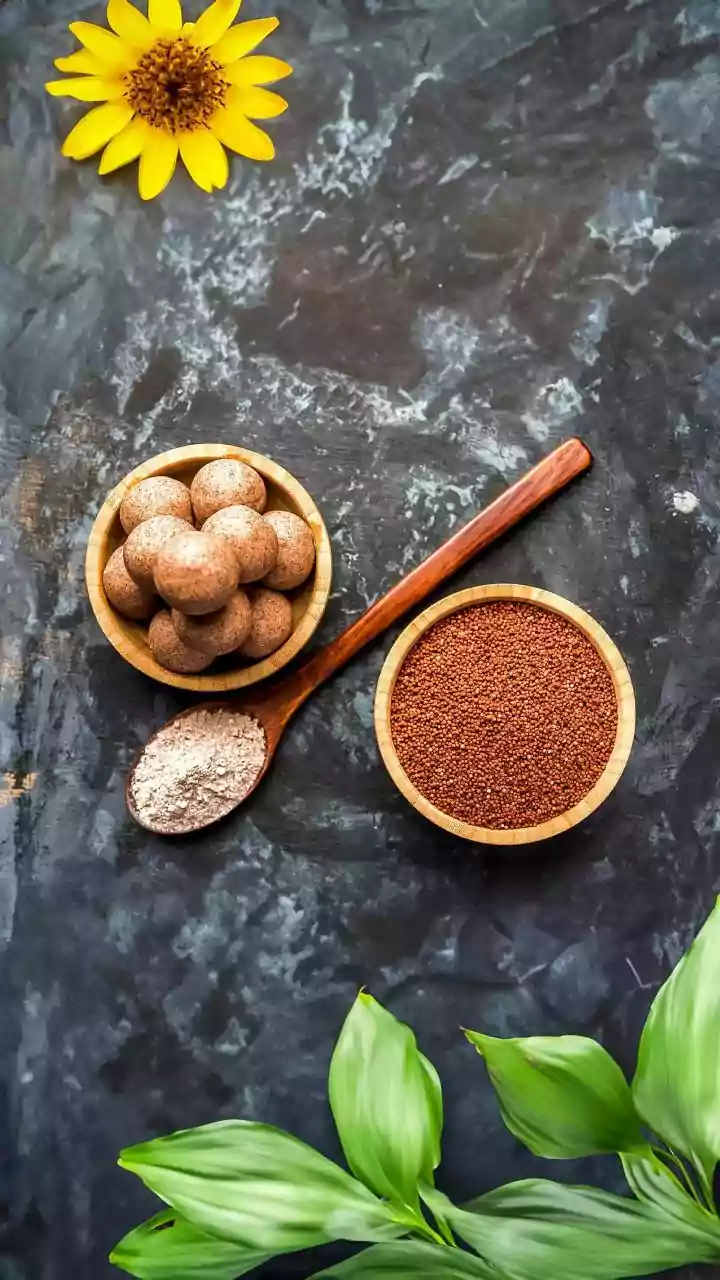
Perhaps the most exciting frontier for millet is in baking. Millet flour has a light, slightly sweet flavor that lends itself well to gluten-free pastries, which have historically struggled with dense, gritty textures. Forward-thinking bakeries are using it to create tender scones, fluffy muffins, and rustic breads. When blended with other gluten-free flours like almond or oat, it helps create a structure and crumb that can rival its wheat-based counterparts. This move into baked goods signals a deeper integration into the American palate. When a grain is no longer just in a “health bowl” but is the secret ingredient in a cookie you can’t resist, you know it has truly arrived. It’s a sign that millet is being appreciated not just for its functional benefits, but for its flavor.