






The Great Migration (for Two)
For decades, the path for ambitious young couples was clear: move to a major city, climb the career ladder, and find a shoebox apartment to call home. But a significant cultural and demographic shift is underway. Across the country, couples are packing
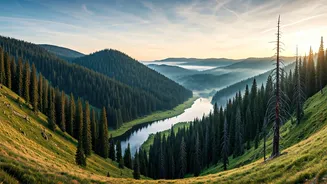
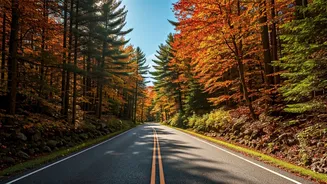
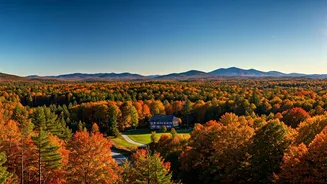
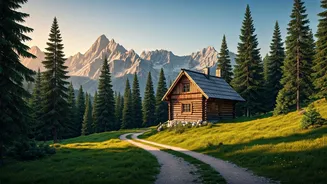
their bags and leaving dense urban centers behind in favor of smaller towns, scenic rural areas, and yes, the literal hills. This isn't just a handful of romantics; it’s a measurable trend that has reshaped real estate markets from the Catskills to the Cascades. Towns in states like Montana, Idaho, and Vermont have seen an influx of new residents, many of them dual-income couples looking to build a life far from the concrete jungle they once considered essential for success.
Fueled by the Wi-Fi Signal
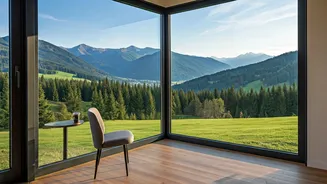
What turned this long-held fantasy into a feasible plan? The remote work revolution. The widespread adoption of flexible work arrangements has been the single greatest catalyst, severing the geographic link between a good job and a specific, expensive city. When your office is wherever your laptop is, the calculus of where to live changes dramatically. A two-bedroom apartment in San Francisco or New York might cost a fortune, but that same budget can secure a house with a yard and a mountain view in Bozeman or Asheville. For couples, this newfound freedom isn't just about finances; it’s about shared opportunity. They no longer have to make a choice between one partner's career in the city and another's dream of a different lifestyle. They can, for the first time, have both.
Searching for Quality of Life
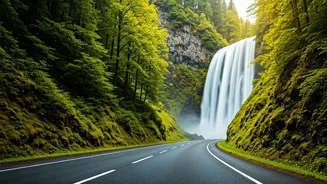
While financial and professional freedom are the enablers, the core motivation runs deeper. This exodus is driven by a collective search for a better quality of life. After years of hustle culture, burnout, and the stresses of urban living, many couples are consciously choosing a slower, more intentional pace. They’re seeking a life where weekends are spent hiking, skiing, or gardening instead of navigating traffic and crowds. This shift represents a re-prioritization of values, where mental well-being, connection to nature, and time spent together on shared hobbies outweigh the allure of nightlife and convenience. It's a move toward building a life, not just a career, and doing it in a place that nurtures their relationship and their individual spirits.
Paradise Isn't Always Perfect
Of course, the reality on the ground can be more complex than the Instagram-perfect dream. The sudden popularity of these “Zoom towns” has created its own set of problems. Housing prices have skyrocketed, sometimes pushing out long-time local residents and creating affordability crises in once-sleepy communities. The infrastructure—from broadband internet to grocery stores and healthcare—can be strained by the influx of new people. Couples who make the move also discover that rural life has its own challenges. The quiet can sometimes feel like isolation, making new friends can be difficult, and the nearest decent takeout might be a 30-minute drive away. The dream of a rustic cabin requires a lot of real-world maintenance, and the transition isn’t always seamless.