
What Exactly Is a Bloom Trip?
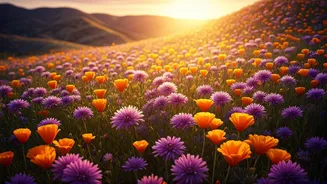
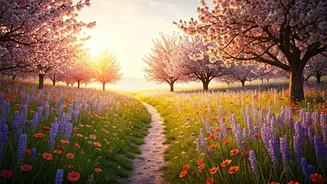
At its core, a bloom trip is travel planned specifically around witnessing a large-scale, often fleeting, floral event. Think trekking to Washington, D.C., for the two-week window when the cherry blossoms peak, or road-tripping through the California
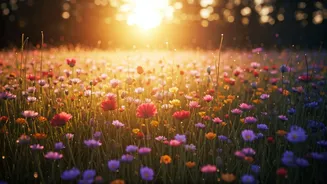
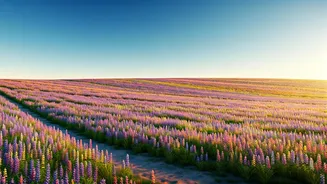
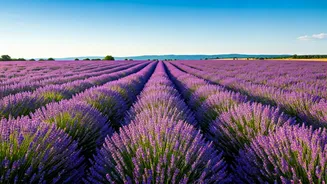
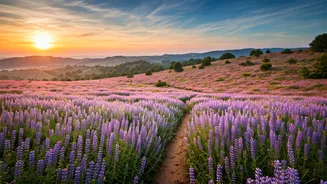
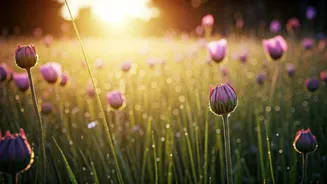
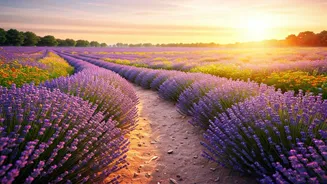
desert to catch a rare 'superbloom' of wildflowers. It’s not a passive stop at a botanical garden; it’s the entire point of the journey. These trips are scheduled by nature’s clock, not human convenience, requiring travelers to be flexible, patient, and deeply in tune with seasons and weather patterns. The destination can be a field of Dutch tulips in Washington’s Skagit Valley, a rolling hill of Texas bluebonnets, or the manicured lavender rows of Provence. The common thread is the pursuit of an ephemeral, natural spectacle that can’t be bought on demand or guaranteed.
Unpacking the 'Gentle Flex'
So why is this a 'flex'? In an era of overt displays of wealth, the bloom trip represents a more subtle, sophisticated kind of status. It's a 'gentle flex.' It doesn't scream 'I’m rich'; it whispers 'I have good taste, I am patient, and I know how to be in the right place at the right time.' Securing a hotel during peak cherry blossom season or getting to the Anza-Borrego desert for a superbloom requires foresight and planning that money alone can’t solve. The resulting photos aren’t of you on a yacht, but of you immersed in a breathtaking, temporary paradise. It signals an appreciation for beauty over branding and experience over extravagance. In a world of instant gratification, traveling for something that might only last a few days—and could be spoiled by a single storm—is the ultimate luxury of being present. It proves you have the time and mindset to chase something beautiful and temporary.
More Than Just a Pretty Picture
While the Instagram-worthiness of these trips is undeniable, their appeal runs deeper than a well-composed shot. Bloom trips are the antithesis of the frantic, checklist-driven vacation. They align perfectly with the growing 'slow travel' movement, which prioritizes connection and immersion over simply seeing sights. You can't rush a flower into blooming. You have to wait. You have to walk. You have to look closely. This deliberate pace offers a mental reset, a forced mindfulness that many travelers are desperately seeking in a post-pandemic world. It’s a chance to connect with something ancient and cyclical, a powerful antidote to screen fatigue and urban burnout. The goal isn't to conquer a city in 48 hours but to simply witness something magnificent unfold, even for just an afternoon.
Where the Blooms Are
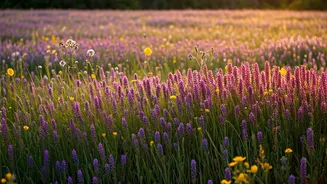
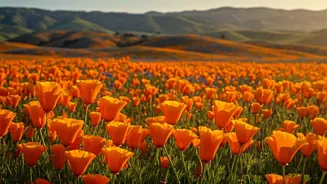
This trend isn't confined to one region; it's a global phenomenon with iconic American outposts. The National Cherry Blossom Festival in Washington, D.C., is perhaps the most famous, drawing over a million people each spring. On the West Coast, California’s unpredictable superblooms turn arid landscapes into carpets of orange poppies and purple lupine, creating a near-pilgrimage for nature lovers. In the Pacific Northwest, the Skagit Valley Tulip Festival transforms fields into geometric blocks of staggering color, rivaling the famous gardens of the Netherlands. Further south, the Texas Hill Country is legendary for its bluebonnet season, with dedicated scenic drives and local festivals celebrating the state flower. Each of these events offers a unique experience, but they all share the same quiet power: the chance to see the world burst into life.