


1. Worn-Out Tires
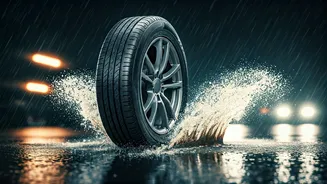
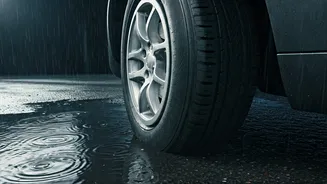
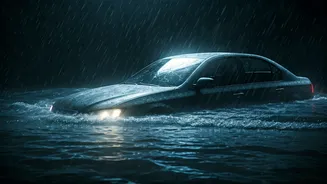
This is the big one. On a dry road, tires with low tread might seem adequate. But add a layer of water, and you have the perfect recipe for hydroplaning. Your tire's tread is designed to channel water away from the contact patch, the small area that actually
touches the road. When the tread is too shallow, it can't clear water fast enough. Instead, the tire starts to ride on top of the water, losing contact with the asphalt entirely. At that point, you have zero steering or braking control. It's one of the most terrifying experiences a driver can have. **The Fix:** Don't wait for a storm to check your tread depth. The classic 'penny test' works: place a penny upside down in your tire’s tread. If you can see all of Abraham Lincoln's head, your tires are worn out and need to be replaced immediately. Also, ensure your tires are properly inflated, as under-inflation can affect handling in the wet.
2. Faded or Damaged Wiper Blades
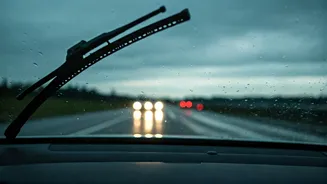
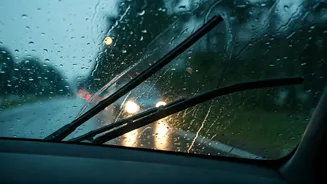
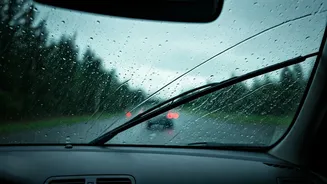
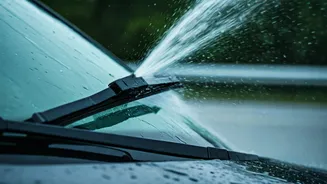
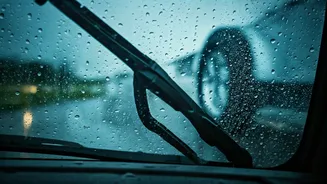
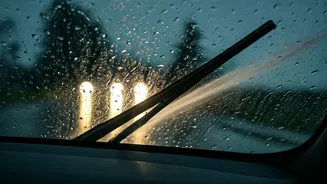
Windshield wipers are a classic out-of-sight, out-of-mind component—until you desperately need them. Blades that are old, cracked, or hardened won't make clean contact with the glass. Instead of clearing your view, they'll smear water, dirt, and grime across your field of vision, creating a blurry, distorted mess that can be just as dangerous as a foggy window. In a sudden downpour, especially at night with oncoming headlights, streaky wipers can cause temporary blindness and significantly reduce your reaction time. **The Fix:** Wiper blades are inexpensive and easy to replace. Most experts recommend changing them every six to twelve months. If you hear squeaking or chattering, or if you see streaks left behind, it's time for a new pair. Don't forget to top off your washer fluid, either; it helps clear the road grime that rain kicks up.
3. Weak or Inefficient Brakes
Water is the enemy of friction, and your brakes rely on friction to stop your car. When roads are wet, your stopping distance naturally increases. If your brake pads are already worn thin or your rotors are warped, that distance can become dangerously long. Worn brakes are less effective at generating the heat needed to burn off the thin layer of water that gets between the pad and the rotor, leading to a noticeable delay in braking response. This lag, even if it's just for a split second, can be the difference between a safe stop and a collision. **The Fix:** Pay attention to the warning signs: a grinding or squealing noise when you brake, a 'soft' or spongy brake pedal, or your car pulling to one side when stopping. These are all signs that your brake system needs a professional inspection.
4. Malfunctioning Defroster or A/C
Visibility issues in the rain aren't just about what's happening outside the car. The humidity from a storm can cause your windows to fog up on the inside with surprising speed. Your car's climate control system is your primary defense. The defroster directs dry air (often cooled by the A/C compressor, even when you have the heat on) onto the windshield to evaporate that condensation. If your A/C isn't working or your blower fan is weak, you'll be stuck trying to wipe the fog away with a sleeve, taking your hands off the wheel and your eyes off the road. **The Fix:** Test your defroster and A/C system periodically, even in cooler weather. If it struggles to clear the glass or the airflow is weak, you may have a failing blower motor or a clogged cabin air filter—a simple part that's often overlooked during routine maintenance.
5. Dim or Burned-Out Lights
In a heavy rainstorm, visibility drops dramatically. Your car's lights aren't just for helping you see—they're for helping others see you. A single burned-out headlight or taillight makes your vehicle much harder to spot for other drivers, especially from a distance or in spray kicked up by trucks. Furthermore, old, hazed-over headlight lenses can diffuse the light, reducing its effective range and making it harder for you to spot pedestrians, debris, or standing water on the road ahead. **The Fix:** Do a quick walk-around of your car once a month. Turn on your headlights, taillights, brake lights (you may need a friend to help check these), and turn signals to ensure everything is working. Headlight restoration kits are available at any auto parts store and can make a huge difference in clearing up foggy plastic lenses.