








The Lifeblood of a Nation
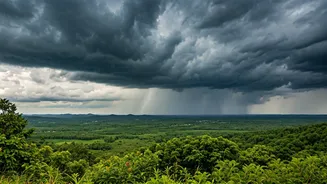
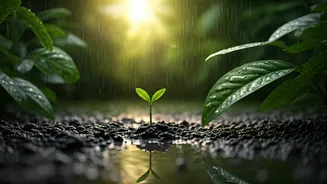
For Americans, a forecast of steady rain might mean canceled picnics and a gloomy week. In India, it’s the answer to a prayer. The monsoon, which typically sweeps across the country from June to September, provides over 70% of India's annual rainfall.
It’s the engine of the agricultural economy, replenishing rivers, watering crops, and breaking the oppressive, triple-digit heat of summer. When the first dark clouds gather on the horizon, the mood isn't one of dread but of breathless anticipation. This deep-seated connection to the rains—as a source of life and prosperity—is the foundation for every celebration that follows. The arrival of the monsoon is a collective exhale, a shared moment of gratitude that transcends region, religion, and social class.
Festivals of Rebirth and Renewal
Across the country, the arrival of the rains kicks off a calendar of vibrant festivals. In northern states like Rajasthan and Uttar Pradesh, women celebrate Teej. Dressed in green—the color of new life—they swing on elaborately decorated jhulas (swings) hung from trees, sing traditional songs, and pray for marital bliss. The festival celebrates the reunion of the goddess Parvati with Lord Shiva, mirroring the earth's reunion with the life-giving rain. Farther south in Kerala, the grand harvest festival of Onam marks the end of the monsoon with incredible fanfare. Though its timing is at the tail-end of the season, its spirit is tied to the bounty the rains provide, featuring floral carpets (Pookalam), elaborate feasts served on banana leaves (Onam Sadhya), and the famous snake boat races (Vallamkali).
A Culinary Shift to Comfort Food
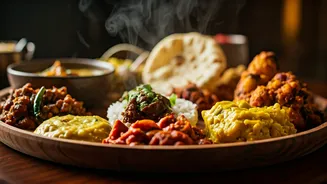
The change in weather brings an immediate shift in the nation's cravings. The unofficial culinary mascots of the Indian monsoon are chai and pakoras. Roadside stalls, suddenly sheltered by tarps, do a roaring trade in piping hot, spiced milk tea (chai) and an array of deep-fried fritters (pakoras), made from everything from potatoes and onions to spinach and cheese. There’s something deeply comforting about huddling with friends under an awning, sipping hot tea while watching the downpour. Another rainy-day staple is roasted corn on the cob (bhutta), sold by street vendors who fan embers by hand, rubbing the charred kernels with salt, chili, and a squeeze of lime. It’s a sensory experience—the smell of smoke, the burst of spice, and the warmth of the corn creating a perfect contrast to the cool, damp air.
The Simple Joy of Getting Soaked
While adults celebrate with faith and food, children embrace the monsoon with pure, unadulterated fun. After months of being told to stay indoors to avoid the blistering sun, the first downpour is a signal of freedom. Streets in residential neighborhoods fill with kids dancing in the rain, splashing in puddles, and launching paper boats into newly formed streams in the gutters. This isn't seen as misbehavior but as a rite of passage. Even for adults, there’s a sense of playful release. It’s common to see families and couples abandon their umbrellas to simply walk in the rain, a spontaneous act of joy that washes away the fatigue of the long summer. The monsoon grants permission to be a little reckless and reconnect with a simpler, more elemental happiness.
Art, Music, and the Romance of the Rain
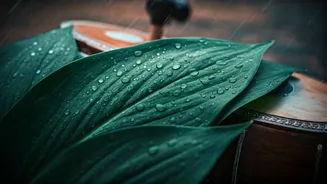
The monsoon's influence permeates Indian culture, from classical music to Bollywood cinema. There are entire ragas (melodic frameworks) in Indian classical music, like 'Megh Malhar,' specifically composed to be performed during the rainy season, said to have the power to induce rain. In Bollywood, the 'rain song' is a classic trope—a cinematic sequence where the hero and heroine declare their love while drenched in a dramatic downpour. It symbolizes passion, longing, and liberation. For centuries, poets and artists have used the imagery of the dark cloud, the thirsty earth, and the blooming flower as metaphors for human emotion. The season provides a powerful, romantic, and endlessly inspiring backdrop for storytelling.