

The Cool-Air Cultural Escape
Forget sweaty outdoor concerts and crowded city museums. High-altitude towns often double as sophisticated cultural hubs, offering a perfect blend of fresh air and fine art. Think of the Berkshires in western Massachusetts, where the Boston Symphony Orchestra
decamps to its summer home at Tanglewood and world-class performances unfold at the Jacob's Pillow dance festival. These hill towns aren’t just about escaping the temperature; they’re about elevating your mind. You can spend your days exploring galleries in charming towns like Lenox or Stockbridge and your evenings enjoying open-air pavilions where the only humidity comes from the drama on stage. It’s a civilized survival strategy, trading urban swelter for pastoral beauty and creative inspiration.
The Hiker’s High-Altitude Haven
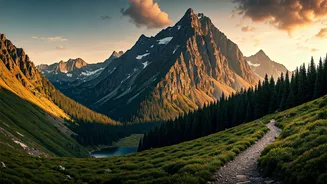
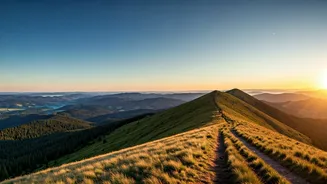
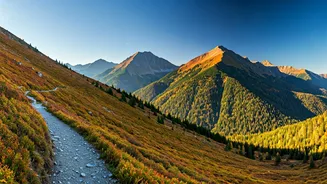
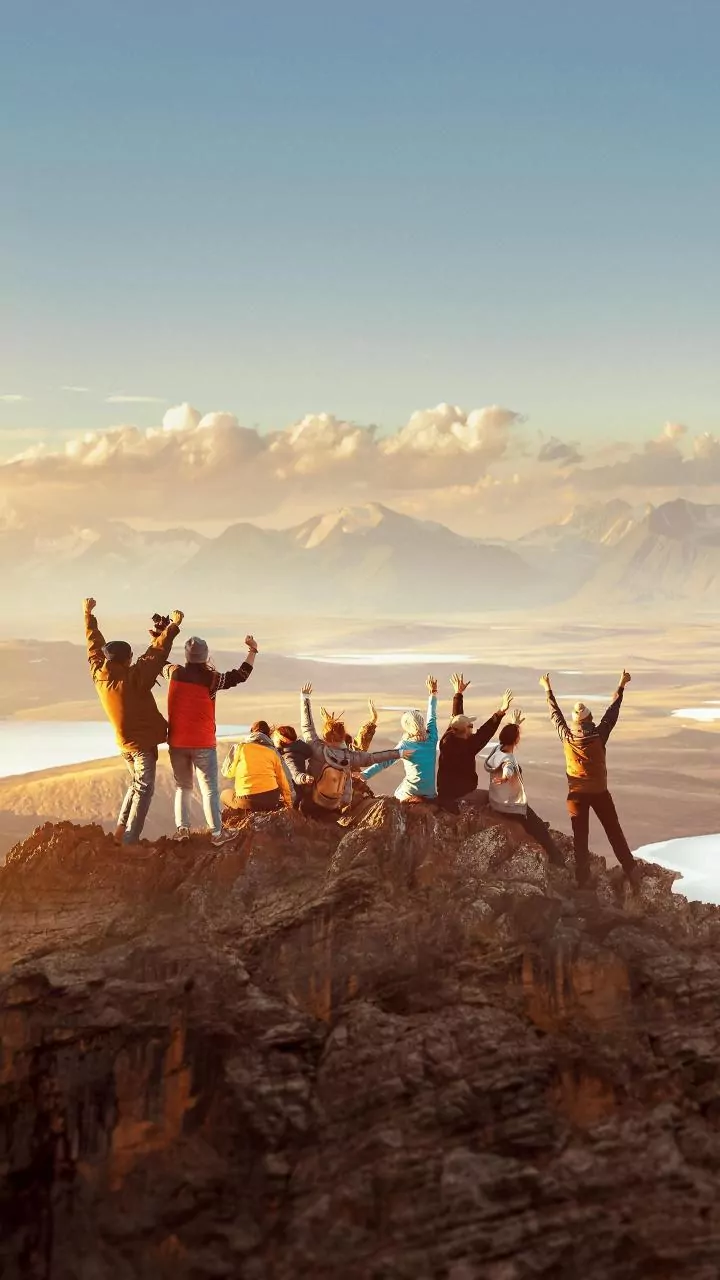
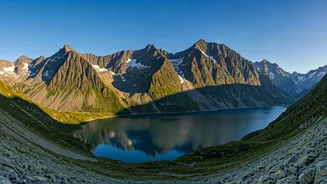
For those who believe the best way to reset is to sweat, but not from city heat, a mountain basecamp is essential. Trading concrete jungles for actual ones—full of pines, firs, and aspens—is a powerful antidote to summer fatigue. Places like Jackson, Wyoming, or Telluride, Colorado, serve as gateways to some of the country’s most breathtaking trail networks. Here, the 'survival' is about conquering a challenging ascent to a glacial lake or a panoramic ridgeline. The air is thinner but crisper, and the sun feels clean, not oppressive. Every 1,000 feet of elevation gain brings a noticeable drop in temperature, making a strenuous hike feel invigorating rather than depleting. Your reward isn’t just the view; it’s the profound satisfaction of using your body in a landscape that feels truly wild.
The Lakeside Mountain Retreat
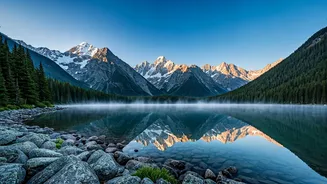
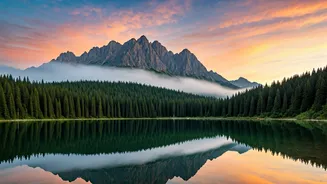
Why choose between the mountains and the water when you can have both? While coastal beaches become a frantic battle for towel space, alpine lakes offer a serene alternative. Destinations like Lake Placid in New York’s Adirondacks or Lake Tahoe on the California-Nevada border provide the ultimate two-for-one deal. You get the cool mountain breezes and forested shorelines, combined with the refreshing shock of a dip in crystal-clear water. Activities shift from fighting for a wave to kayaking across glassy surfaces at dawn, paddleboarding under vast blue skies, or simply reading a book on a quiet dock. It’s a slower, more intentional form of water-based recreation that soothes the soul far more than a crowded, sandy shoreline ever could.
The Food-Forward Mountain Town
Once, mountain town dining meant a decent burger and a local beer. Today, many hill getaways are bona fide culinary destinations. Chefs are flocking to these scenic locales, drawn by access to incredible local produce, farms, and foragers. In places like Asheville, North Carolina, nestled in the Blue Ridge Mountains, the food scene is as big a draw as the hiking trails. You can find everything from James Beard-nominated restaurants serving innovative Appalachian cuisine to bustling farmers' markets and craft breweries on every corner. A food-focused hill getaway turns survival into indulgence. You can spend the day working up an appetite on a mountain path and the evening enjoying a meal that is both world-class and deeply connected to the place you’re visiting.
The Low-Key Family Hideaway
Summer with kids can feel like a logistical marathon of camps, sunscreen, and the constant refrain of "I'm bored." A simple hill getaway can be the perfect circuit breaker. Think of a classic cabin rental in the Catskills or a quiet condo in Vermont’s Green Mountains. The agenda is refreshingly simple: morning explorations for interesting rocks and bugs, afternoon swims in a creek, and evenings spent around a fire pit roasting marshmallows. The absence of theme parks and scheduled activities becomes the main attraction. It’s a chance to disconnect from devices and reconnect with each other, trading screen time for stargazing. This isn't just about surviving the summer break; it's about creating core memories in a setting that encourages imaginative, unstructured play.