



The Downfall of Hustle Culture
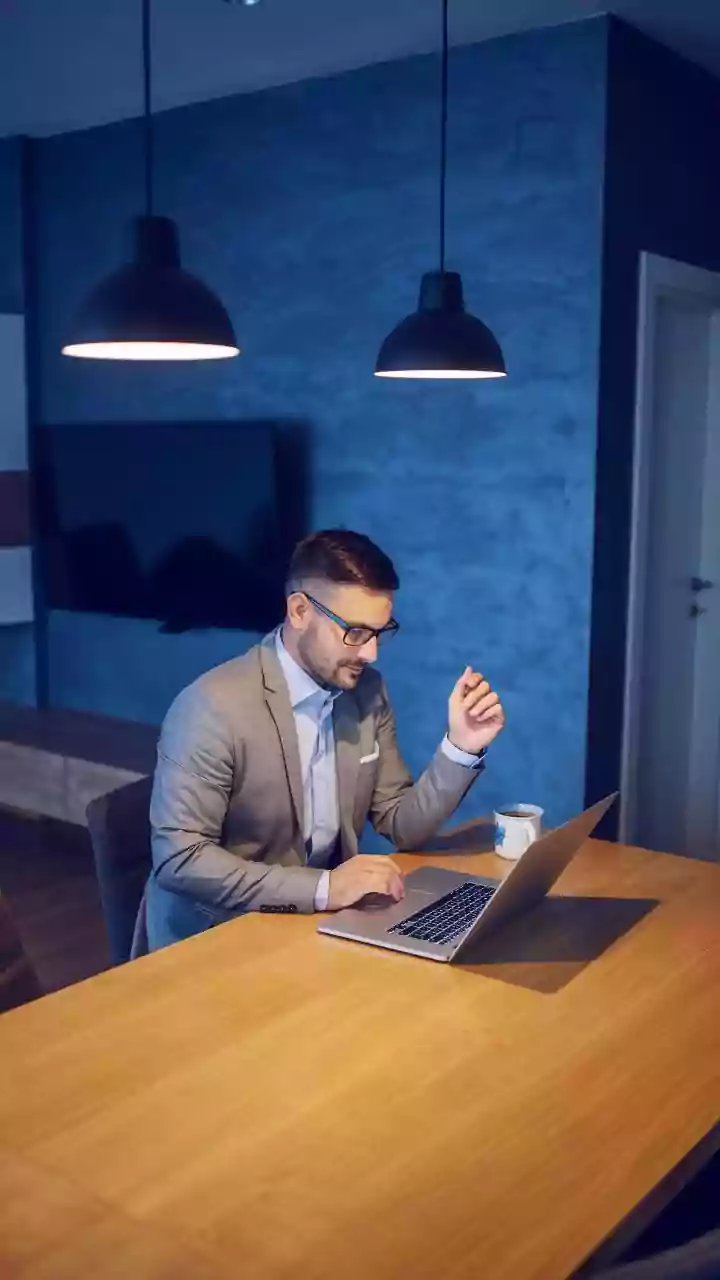
For the better part of a decade, the dominant narrative of professional ambition was 'hustle culture.' It was a world of 5 AM miracle mornings, back-to-back meetings fueled by lukewarm coffee, and the performative exhaustion of typing 'on it!' in a work
chat at 10 PM. Being busy was a proxy for being important. A packed calendar wasn't a problem to be solved; it was a trophy to be displayed. The implicit message was simple: if you weren't constantly grinding, you weren't trying hard enough. But this relentless pace had a predictable, and now well-documented, conclusion: widespread burnout. The pandemic didn't create this exhaustion, but it held a magnifying glass to it, forcing a collective reckoning with the unsustainable nature of a life lived in constant overdrive. The hustle, it turned out, had a human cost that the ROI could no longer justify.
Enter 'Slow Productivity'
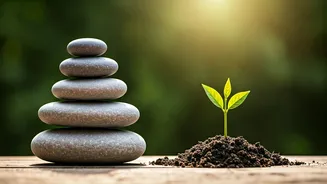
In the wake of this burnout epidemic, a counter-movement is gaining traction. It’s not about laziness or a lack of ambition; it’s about redefining what productivity even means. Think of it as 'slow productivity,' a philosophy championing a more sustainable, deliberate, and focused approach to work and life. Instead of celebrating the quantity of tasks completed, this new mindset prioritizes the quality of the output and the well-being of the person producing it. It’s rooted in concepts like 'deep work'—the ability to focus without distraction on a cognitively demanding task—and the simple power of doing one thing at a time. The goal is to work at a natural pace, respect human limits, and produce better results over the long term, not just to fill every available minute with activity. It’s the difference between a frantic sprint and a steady, powerful marathon pace.
What a Calm Flex Looks Like
So, what does this new 'flex' look like in the real world? It's less about dramatic announcements and more about quiet, confident boundaries. It's logging off at 5 PM without apology because your work is done. It's taking a full hour for lunch, away from your desk, perhaps even for a walk outside. It’s using your vacation days—all of them—and not checking your email once. The new status symbols are subtle but powerful: an 'out of office' reply that is respected, a calendar with deliberate open space for deep thinking, and the ability to be fully present in your non-work life. The person who leaves on time every day isn't seen as a slacker anymore; they're seen as efficient, organized, and in command of their workload. The ultimate flex is no longer the story of how you sacrificed your weekend for a deadline, but the fact that you managed your time so well you didn't have to.
The New Ultimate Status Symbol: Control
Ultimately, the shift from chaos to calm is about control. Hustle culture, for all its talk of empowerment, often left people feeling powerless, reacting to an endless stream of external demands. A calm routine signals the opposite. It demonstrates a mastery over one's time, attention, and energy—the most finite and valuable resources we have. Being able to resist the siren song of constant notifications and the pressure to be 'always on' is a declaration of personal agency. In an economy increasingly defined by knowledge work and creative problem-solving, the ability to cultivate a calm, focused mind is the ultimate competitive advantage. It’s not just a wellness trend; it’s a strategic choice. The new flex isn't about showing how hard you can work. It's about showing how intelligently you can live.