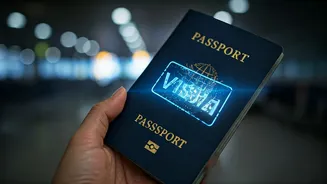









What is Travel Fintech?
At its core, “fintech” is simply the technology used to improve and automate financial services. When applied to travel, it’s about upgrading the industry’s antiquated financial plumbing. Think beyond just tapping your card at a hotel bar. Travel fintech encompasses
the entire ecosystem of payments, from the moment you book a multi-thousand-dollar villa to how you settle your final bill in a foreign currency. For decades, the travel industry has been a patchwork of separate systems. Your credit card company, the online travel agency, the hotel’s bank, and the currency exchange bureau all operated in their own silos. This created friction—delays, surprise fees, and the dreaded “payment declined” error on large transactions. Travel fintech aims to stitch these disparate parts together into a single, smooth, and secure experience, making the money part of travel disappear into the background.
The Unique Friction of Luxury Bookings
Why is this so important for the high-end market? Because luxury travel magnifies every standard payment problem. Booking a five-star suite in Tokyo or a private island in the Maldives involves large sums of money crossing international borders. This is a red flag for traditional banking systems, which are designed to prevent fraud by flagging unusual, high-value transactions. As a result, affluent travelers often face frustrating hurdles. A $20,000 charge for a two-week stay might be automatically blocked by their credit card’s fraud algorithm, requiring phone calls to verify the purchase. Paying a deposit in euros from a U.S. dollar account can involve opaque conversion rates and wire transfer fees. For travel advisors and concierge services booking on behalf of clients, managing these complex multi-currency payments and reconciliations becomes a logistical nightmare. This financial friction detracts from the very promise of luxury: effortlessness.
How New Solutions Are Easing the Pain
Modern travel fintech platforms address these pain points with a few key innovations. First are integrated payment gateways that are built specifically for the travel industry. These systems can handle installment payments, deposits, and refunds seamlessly, and they are better at distinguishing a legitimate luxury booking from a fraudulent one, reducing false declines. Second is the rise of dynamic currency conversion and multi-currency digital wallets. Instead of guessing the final cost, travelers can see and lock in the price in their home currency at the time of booking. This transparency eliminates the surprise of finding a bad exchange rate on your credit card statement weeks later. For hotels and tour operators, these solutions also allow them to accept payments from around the world without needing multiple foreign bank accounts. Finally, enhanced security protocols are crucial. Instead of relying on simple card numbers, fintech solutions use tokenization to shield sensitive data and employ sophisticated AI to analyze risk in real-time. This ensures that high-value transactions are both secure and smooth.
Beyond Booking: The Seamless Trip Experience
The impact of travel fintech extends far beyond the initial booking. Once you're on your trip, the same underlying technology can create a more integrated experience. Imagine a system where any expense at a resort—from spa treatments to dinner—is automatically added to a single digital folio, which you can view and settle on your phone without ever visiting the front desk. For corporate travelers on a luxury business trip, automated expense-tracking tools can categorize receipts and sync with company accounting software, eliminating tedious paperwork. This technology also enables more personalized service. With a unified payment profile, a hotel group can recognize a returning guest’s preferences and offer tailored perks or simplified billing across its properties worldwide. The goal is to make every financial interaction so smooth and invisible that the traveler can focus entirely on the experience itself.