




What Is Analogue Wellness?
At its core, analogue wellness is the practice of intentionally engaging with the non-digital world to improve your mental and emotional health. It’s not about becoming a luddite or throwing your smartphone into the sea. Instead, it’s a conscious choice
to carve out time for activities that involve your hands, engage your senses, and require your full, undivided attention. Think of it as the difference between scrolling through a hundred online recipes versus physically flipping through a cookbook, feeling the paper, and seeing the splatters from the last time you made that marinara sauce. It’s about texture, weight, and presence in a world that increasingly pushes us toward the flat, frictionless surface of a glass screen.
The Psychology of Tangible Things
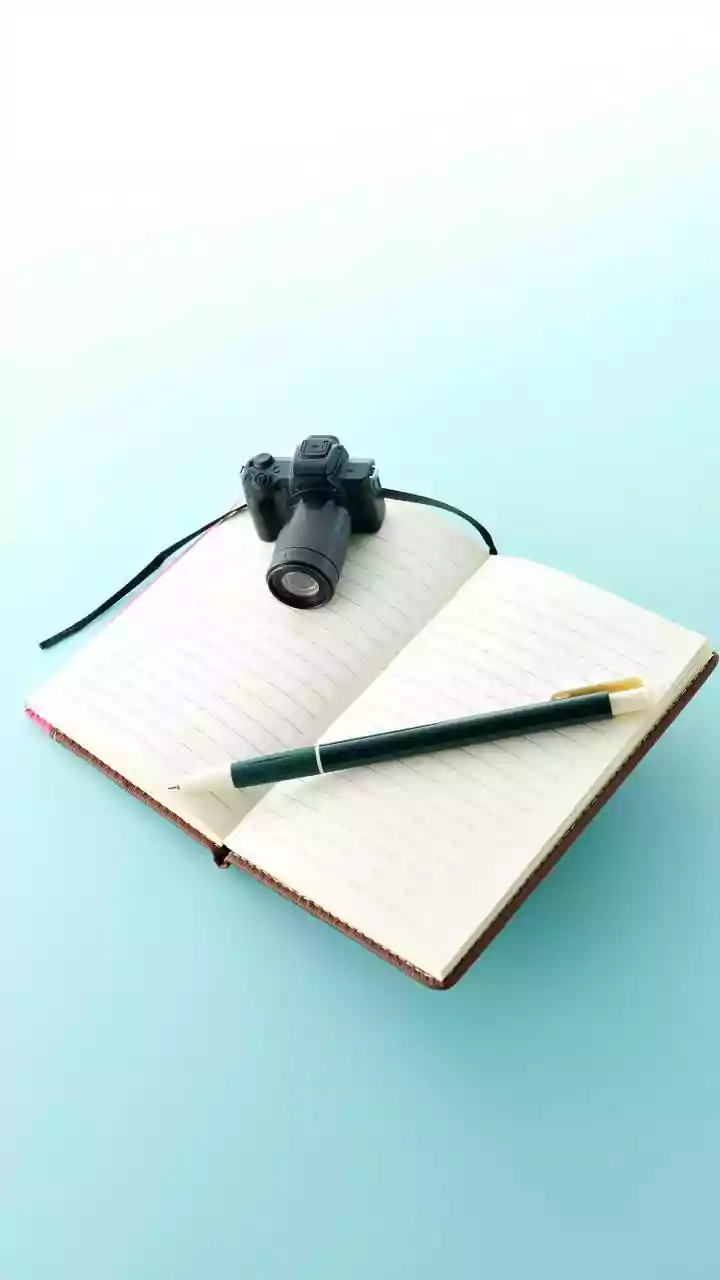
So why does this feel so restorative? A huge part of the appeal lies in single-tasking. Our digital devices are built for distraction, with notifications and multitasking capabilities that constantly pull our focus in a dozen directions. This creates a high cognitive load, leaving us feeling frazzled and unproductive. An analogue activity, by contrast, usually has one purpose. When you’re journaling, you’re just writing. When you’re listening to a vinyl record, you’re just listening. This allows your brain to settle into a focused state, which psychologists associate with 'flow'—a deeply pleasurable and restorative mental space. The physical feedback is also crucial. Holding a pen, feeling the resistance of the paper, or kneading dough provides sensory information that grounds you in the present moment, a core principle of mindfulness.
Rediscovering Single-Purpose Objects
Part of the movement involves falling back in love with objects that do one thing well. Consider the humble alarm clock. Using a separate clock to wake up means your phone isn't the first and last thing you interact with each day, breaking a powerful cycle of digital dependency. The same goes for buying a real camera, a paper map for a road trip, or a simple MP3 player for a run. Each choice reduces the screen's gravitational pull on your life. These objects don’t vie for your attention with push notifications about work emails or social media drama. They quietly perform their function, allowing you to be more present in the primary activity, whether it’s sleeping, taking a photo, or navigating a new city. It’s a small rebellion against the digital convergence that has turned our phones into a Swiss Army knife of endless, and often stressful, possibilities.
Your Analogue Starter Kit
Getting started doesn't require a dramatic lifestyle overhaul. It’s about finding small pockets of analogue joy. Try picking one activity. If you miss reading, commit to buying a physical book and leaving your phone in another room for 20 minutes while you read. If you’re feeling creatively stifled, get a simple watercolor set or a block of clay and just play, with no pressure to produce a masterpiece. Writing letters to friends instead of sending texts can rekindle connections in a more meaningful way. Even cooking a meal from a physical cookbook, without a screen in sight, can feel like a luxurious escape. The goal is to find something that feels good to you—an activity that uses your hands and focuses your mind.
It’s a Practice, Not a Purge
The most sustainable approach to analogue wellness isn’t about demonizing technology. It's about balance. A weekend 'digital detox' can feel great, but the effects often fade once you’re back online Monday morning. A better strategy is to integrate small, consistent analogue practices into your daily life. Maybe it’s a no-phone rule during dinner, a half-hour of journaling before bed, or a weekend morning spent with a newspaper and coffee. This isn’t about achieving some state of pure, screen-free enlightenment. It’s about creating a healthier relationship with technology by reminding yourself that there is a rich, textured, and deeply satisfying world waiting for you just beyond the screen.