

So, What Exactly Is Ekadashi?
Think of Ekadashi as a scheduled pause button for your body and mind. In the Hindu tradition, it’s a spiritually significant day that occurs twice in each lunar month—on the eleventh day of both the waxing and waning moon phases. While the spiritual goal
is to focus the mind on devotion and meditation, the physical component is a fast that gives the digestive system a well-earned break. Unlike a water-only fast, an Ekadashi fast has a rich culinary tradition all its own. It's not about what you can't eat, but about the creative, delicious things you can. This June, Apara Ekadashi and the particularly significant Nirjala Ekadashi offer a chance to tap into this rhythm.
The 'Rules' of the Fasting Kitchen
The core principle of an Ekadashi fast is the avoidance of all grains and legumes. This means no rice, wheat, corn, millet, lentils, or beans. The reasoning is rooted in ancient texts, which associate grains with absorbing negative energies on this particular day. Instead, the diet is built around a vibrant list of permitted foods: fruits, vegetables (with some exceptions, like onions and garlic), nuts, seeds, dairy products like milk and yogurt, and specific non-grain flours. These include buckwheat flour (kuttu), water chestnut flour (singhara), and amaranth flour (rajgira). The result is a menu that’s naturally gluten-free and surprisingly satisfying.
The Fasting Hero: Sabudana Khichdi
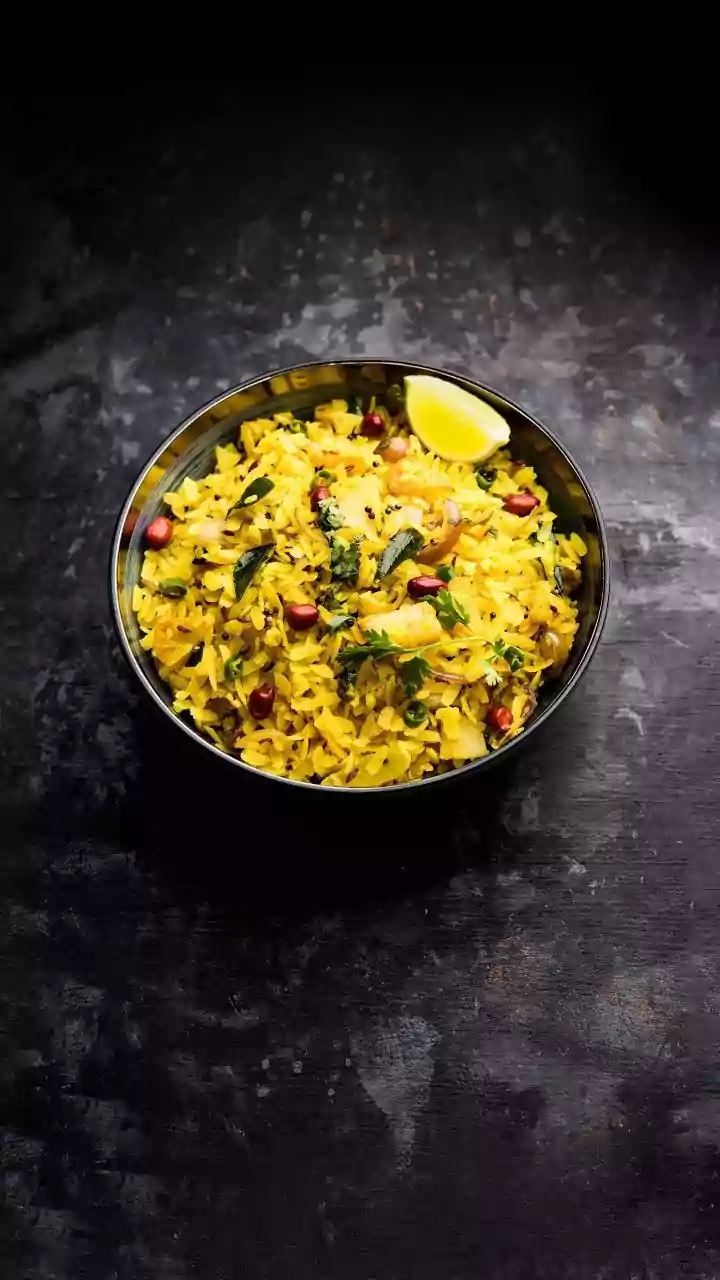
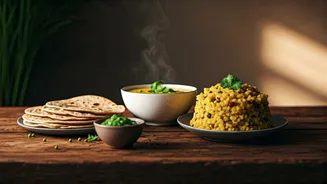
If there's one dish synonymous with fasting in India, it's Sabudana Khichdi. Made from soaked tapioca pearls (sabudana), this is the ultimate comfort food for a fast. The soft, chewy pearls are sautéed with cubed potatoes, roasted peanuts for crunch, and a simple but potent tempering of cumin seeds, green chilies, and fresh cilantro. A squeeze of lemon juice at the end brightens everything up. It’s hearty, energy-dense, and completely grain-free, making it the perfect meal to keep you going without feeling heavy.
The Savory Staple: Kuttu ki Puri
Craving bread? There's a fasting-friendly version for that. Kuttu ki Puri are small, deep-fried flatbreads made from buckwheat flour. The flour has a nutty, earthy flavor that’s distinct and delicious. The dough is made by mixing kuttu flour with mashed potatoes, which act as a binder, and seasoned with rock salt (sendha namak), the only salt traditionally used during fasts. These little puffed breads are typically served with a simple, soupy potato curry (vrat wale aloo) that’s tangy with tomatoes and spiced with ginger and green chilies. It’s a classic pairing that feels like a feast.
Simple and Fresh: Fruit Chaat
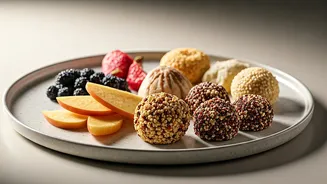
For a lighter, no-cook option, look no further than fruit chaat. This isn’t your average fruit salad. It’s a lively mix of seasonal fruits—think bananas, apples, pomegranate seeds, and grapes—tossed with spices that make the flavors pop. The standard dressing is a sprinkle of roasted cumin powder, black pepper, and a pinch of rock salt. Some variations include a drizzle of yogurt or a squeeze of lime. It’s refreshing, hydrating, and provides a quick burst of natural energy, making it an ideal snack or light meal during the day.
The Modern Wellness Twist: Roasted Sweet Potato
Connecting directly with modern wellness trends, simple root vegetables are a cornerstone of the Ekadashi diet. Roasted sweet potato (shakarkandi) is a popular choice. Cubed and roasted with a little ghee or coconut oil and seasoned with rock salt and pepper, it’s grounding and incredibly simple to prepare. For an extra boost of nutrients and texture, top it with a handful of toasted walnuts or almonds. This dish bridges the gap between ancient tradition and the contemporary focus on clean, whole-food eating.