





The Old Guard: Gold ETFs
Let’s start with the familiar player. A Gold Exchange-Traded Fund (ETF) is essentially a stock that tracks the price of gold. When you buy a share of an ETF like SPDR Gold Shares (GLD) or iShares Gold Trust (IAU), you’re not buying a specific gold bar
with your name on it. Instead, you're buying a share in a massive trust that holds thousands of gold bars in a secure vault, usually in London or New York. The value of your share moves up and down with the global price of gold. The big appeal here is convenience. You can buy and sell gold ETFs through any standard brokerage account, just like a share of Apple or Tesla. It’s the simplest way to get exposure to gold price movements without ever having to worry about storing or insuring a physical asset.
The New Contender: Digital Gold
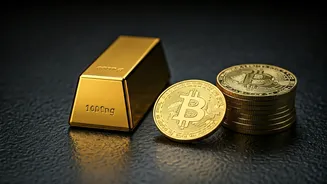
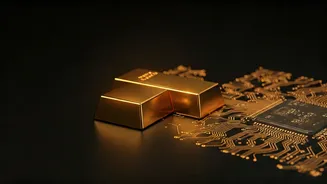
“Digital Gold” is a broader term for a new class of products that aim to combine the ease of digital transactions with the security of physical ownership. Unlike an ETF share, which represents a piece of a giant pool of gold, digital gold typically represents direct title to a specific amount of physical gold held in a vault on your behalf. This can come in a few flavors. Some are blockchain-based tokens, like Paxos Gold (PAXG), where each token is a digital claim on one fine troy ounce of a gold bar. Others are simply accounts with precious metal dealers (like APMEX or Kitco) that allow you to buy and sell fractions of vaulted gold instantly. The core promise is the same: you own the actual gold, and the digital token or account balance is just your proof of ownership.
The Ownership Question: Who Really Owns the Gold?
This is the most critical difference and the heart of the debate. With a Gold ETF, you are a shareholder in a trust. You have a claim on the trust's assets, but you don't have title to any specific gold bars. In a catastrophic financial scenario (the very reason some people buy gold), this distinction could matter. You can't just show up at the vault and ask for your slice of the pie. With most digital gold products, you are the direct, beneficial owner of a specific quantity of physical gold. The company is merely your custodian. This often comes with the right to redeem your digital holdings for physical coins or bars, which you can have delivered to your door (for a fee, of course). For investors who prioritize direct ownership above all else, this is digital gold’s killer feature.
The Cost Breakdown: Fees Matter
Convenience and ownership come at a price. Gold ETFs are known for their low costs. Major ETFs charge an annual expense ratio, typically between 0.15% and 0.40%. This fee is automatically deducted from the fund’s assets and covers management, storage, and insurance. It's a simple, transparent, set-it-and-forget-it cost. Digital gold’s fee structure can be more complex. You might pay a small annual storage fee (sometimes waived), transaction fees when you buy or sell, and potentially a “spread” (the difference between the buy and sell price) that is wider than what you’d find on a major stock exchange. For some products, especially blockchain tokens, transaction fees can be very low, but redeeming for physical gold will incur significant fabrication and shipping costs. In general, ETFs are often the cheaper option for pure price exposure.
The Final Verdict: Which Is Right for You?
There's no single winner; it depends entirely on your goals as an investor. A Gold ETF is likely the best choice for the average person who wants to diversify their portfolio and get easy, low-cost exposure to the price of gold within their existing brokerage account. It's for the investor who values simplicity, liquidity, and cost-efficiency over direct ownership. Digital Gold is for the investor who thinks differently. It’s for the “gold bug” who wants the assurance of owning a real, physical asset without the hassle of storing it under their bed. If you value direct title, the option for physical redemption, and potentially 24/7 trading access outside of traditional market hours, the slightly higher complexity and potential costs of digital gold might be a worthwhile trade-off.