



The Rise of the Modular Sofa
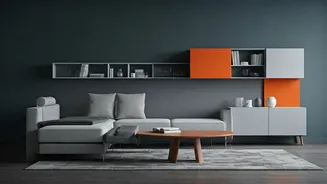
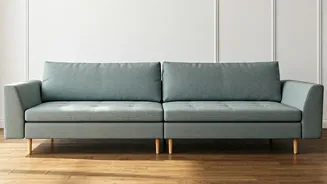
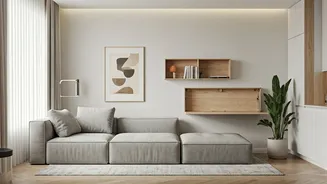
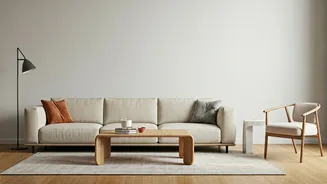
The Challenge: You’ve finally found the perfect apartment, but the living room is long and narrow, the doorway is tight, and you know you’ll probably move again in two years. A traditional, oversized sectional is a logistical and financial nightmare waiting
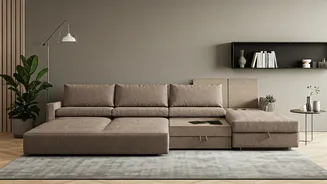
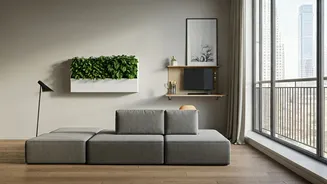
to happen. The Trend: Enter the modular sofa. These adaptable pieces, popularized by brands like Burrow and Floyd, are the LEGOs of the living room. They arrive in manageable boxes that easily fit up tight stairwells and can be assembled—and disassembled—without a team of movers. Need a loveseat for your current studio? Great. When you upgrade to a bigger place, you can simply buy additional sections to expand your seating instead of buying a whole new couch. This trend isn't just about convenience; it's a direct response to the transient nature of modern urban renting, offering flexibility that traditional, monolithic furniture simply can't.
Multi-Functionality Is Now King
The Challenge: Your one-bedroom apartment needs to be an office, a dining room, a gym, and a place to host guests, all within about 600 square feet. Every piece of furniture has to earn its keep, and a simple coffee table just isn’t cutting it.
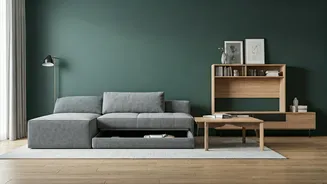
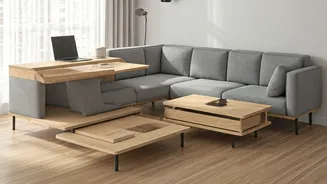
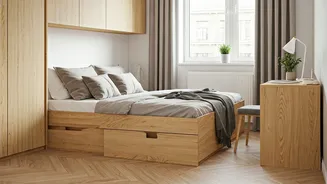
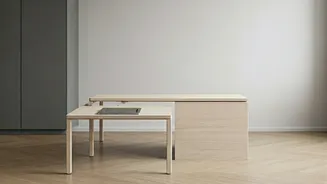
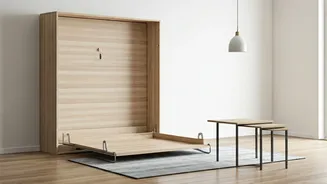
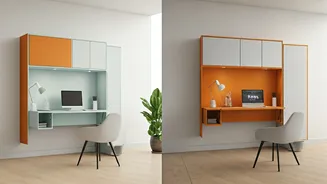
The Trend: Furniture is now expected to have a résumé. A coffee table that doesn't lift up to become a dining or work surface is a missed opportunity. An ottoman is no longer just a footrest; it’s a storage chest, extra seating, and a tray-holder. Murphy beds, once a sitcom punchline, are back with a vengeance, disguised as sleek cabinets or shelving units. This move toward hyper-functional pieces like extendable dining tables and convertible sofa beds is a direct acknowledgment that in a small space, versatility is the ultimate luxury. It allows city dwellers to reclaim their living areas, transforming them on demand to suit the needs of the moment.
Lightweight and 'Rental-Friendly' Design
The Challenge: Heavy, solid-wood furniture is beautiful, but it's also a curse for the chronic renter. The thought of hauling a solid oak bookshelf up three flights of stairs is enough to make you embrace extreme minimalism. Plus, drilling into walls for shelving is often a fast way to lose your security deposit.
The Trend: Designers are embracing lighter materials and clever engineering. Think powder-coated steel, aluminum, engineered woods, and even high-quality plastics that offer durability without the back-breaking weight. Leaning bookshelves and ladders, which use gravity and wall tension for stability, provide vertical storage without a single screw. This shift recognizes the physical and financial realities of renting. Furniture is being designed not for a “forever home,” but for a series of temporary ones, prioritizing portability and non-destructive installation.
Sustainability as a Practical Choice
The Challenge: The cycle of cheap, disposable “fast furniture” is bad for the planet and, ultimately, your wallet. It’s the stuff that looks good online but breaks during your first move, destined for a landfill. Urbanites, often more environmentally conscious, are looking for alternatives that align with their values and their mobile lifestyles.
The Trend: A new wave of sustainable furniture is focused on durability and repairability. Companies are using recycled materials, responsibly sourced wood, and non-toxic finishes. More importantly, they’re designing for longevity. This includes offering replacement parts, from cushion covers to individual table legs, allowing you to refresh or repair a piece instead of replacing it. This isn't just about feeling good; it’s a practical rejection of throwaway culture. When you’re paying a premium to live in the city, investing in a piece of furniture that can move with you and adapt over time is a sound financial decision.