




1. It Has a Royal Pedigree
Long before it became a global commodity, the mango was a status symbol in India, and nowhere more so than in Lucknow. The city was the seat of the Nawabs of Awadh, 18th and 19th-century rulers known for their lavish patronage of arts, cuisine, and culture.
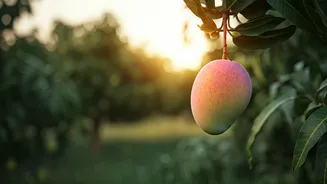
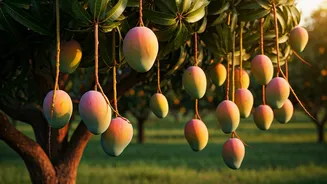
Their obsession extended to horticulture, where they competed to cultivate the most exquisite fruits. These weren't just farms; they were royal orchards, or 'baughs,' designed to produce mangoes with unparalleled sweetness, aroma, and texture. The Nawabs sponsored growers and hosted elaborate mango-tasting events, embedding the fruit into the very fabric of the city’s" aristocratic identity. This historical patronage created a foundation of quality and reverence for the mango that has been passed down through generations.
2. It's the Birthplace of a Legend: The Dasheri
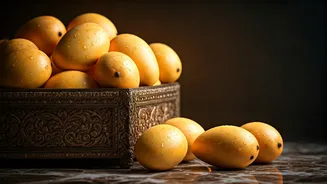
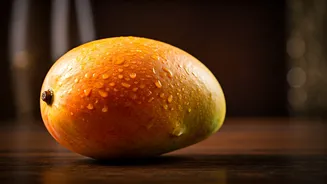
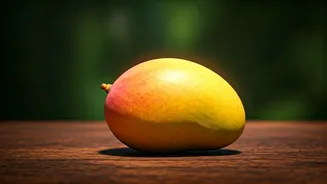
If Lucknow has a claim to fame, it's the Dasheri mango. The story goes that every Dasheri mango in the world can trace its lineage back to a single 'mother tree' in the nearby village of Dasheri. This venerable tree, now over 200 years old, still stands and bears fruit. The Dasheri is the gold standard for many connoisseurs: brilliantly sweet but not cloying, with a heady fragrance, a beautiful yellow-green skin, and—crucially—flesh that is completely fiberless, melting in your mouth. While other regions produce vast quantities of mangoes, Lucknow is the historic and spiritual home of this specific, beloved variety. It’s like talking about sparkling wine without mentioning Champagne; you can’t talk about premium mangoes without paying respect to the Dasheri and its Lucknow-area origins.
3. Location, Location, Location: The 'Mango Belt' Terroir
Just as Napa Valley has the perfect conditions for wine, the region around Lucknow has the perfect 'terroir' for mangoes. The city lies in the heart of what is known as the Malihabad-Kakori 'mango belt,' a stretch of land along the Gangetic plains. The soil here is a rich, alluvial loam, deposited by rivers over millennia. This fertile ground, combined with a climate of intensely hot, dry summers followed by the life-giving monsoon rains, creates the ideal environment for mango trees to thrive. This unique combination of soil and climate imparts a distinct flavor and richness to the fruit that is difficult to replicate elsewhere. It's not just a fruit; it's a product of a very specific place.
4. The Culture Is Total Mango Mania
In Lucknow, mangoes aren't just a fruit you slice up for a salad. They are the centerpiece of a social season. When summer hits, the city erupts in 'mango mania.' Families and friends host 'mango parties' (*aam ki dawat*), where the sole activity is to sit together and devour dozens of mangoes in one sitting. There's a ritual to it: the fruits are often chilled for hours in buckets of cold water, and people have their preferred, often messy, methods of eating them to get every last drop of nectar. This deep-seated cultural obsession means that quality is everything. Growers and sellers are held to an incredibly high standard by a populace that considers itself expert on the subject. It’s this passionate, discerning local audience that pushes the quality ever higher.
5. It's a Center of Generational Expertise
The magic of Lucknow's mangoes isn't just a gift of nature; it's the result of centuries of human ingenuity. The growers in the region are not just farmers; they are artisans. Techniques of grafting—meticulously joining a branch from a tree with desirable traits onto the rootstock of another—have been perfected and passed down through families for generations. This allows growers to preserve the lineage of a legendary tree or even create new, experimental varieties. Some master grafters in Malihabad claim to have single trees that can produce dozens of different mango types. This deep well of horticultural knowledge and skill is a living library of mango cultivation, making the region a hub of innovation as well as tradition.