

From 'Fly-and-Flop' to Active Escape
For decades, the ultimate getaway was a passive one. You’d fly to a coast, find a lounge chair, and bake. This ‘fly-and-flop’ model promised pure relaxation through inertia. Today, the very definition of relaxation is changing. A growing cohort of American
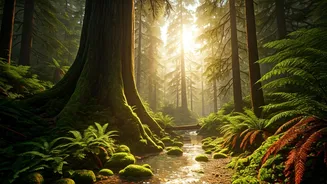
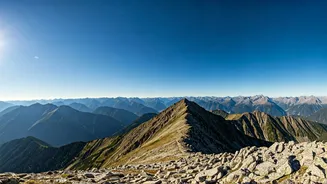
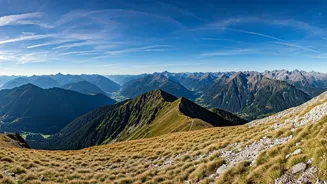
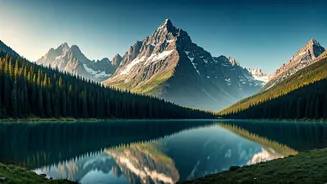
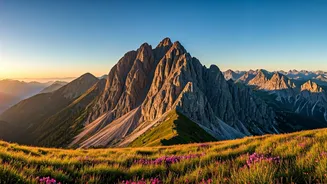
travelers, particularly millennials and Gen Z, don't want to just lie around; they want to *do* something. They’re seeking vacations that are restorative not just for the body, but for the mind and spirit. This new wellness-oriented travel is less about escaping reality and more about reconnecting with it. It prioritizes activity, mindfulness, and experience over passive consumption. A week spent hiking through national forests, kayaking on an alpine lake, or simply breathing crisp, clean air at 8,000 feet offers a tangible sense of accomplishment and rejuvenation that a sunburn and a margarita can’t always match. The goal is no longer to return with a tan, but with a renewed sense of purpose and a clear head.
The Shifting Economics of a Getaway
It’s impossible to ignore the financial angle. Prime beachfront destinations have become prohibitively expensive for many. The combination of soaring hotel rates, crowded beaches, and the high cost of everything from parking to a simple lunch has pushed many families and couples to look elsewhere. A week in a popular coastal town in July can easily cost double what a similar-quality stay in a mountain town might.
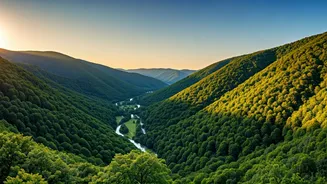
Mountain destinations, once seen primarily as winter-only ski resorts, have invested heavily in becoming year-round attractions. This diversification creates a more stable, less seasonal pricing structure. Travelers are discovering that their dollar goes further in places like the Blue Ridge Mountains, the Rockies, or the Sierras, especially outside of peak ski season. The rise of high-quality vacation rentals on platforms like Vrbo and Airbnb has made it even easier to find an affordable and picturesque cabin, offering more space and privacy than a standard hotel room by the sea.
The Year-Round Appeal of Altitude
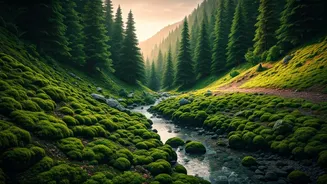
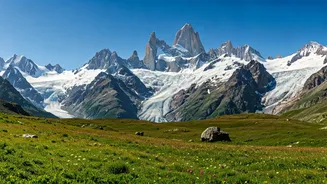
The smartest move mountain resorts ever made was convincing America they weren’t just for skiing. They've successfully rebranded as four-season playgrounds. Summer in the mountains now means world-class mountain biking, scenic chairlift rides for hikers, outdoor concert series, and food and wine festivals. Fall brings spectacular foliage that rivals New England, with fewer crowds. Spring offers a quiet, beautiful transition perfect for a peaceful retreat.
This strategy has unlocked a massive new market. Instead of competing for the same eight weeks of summer vacation travel as every beach town, mountain communities now offer compelling reasons to visit in May, September, or October. They provide a viable alternative to the sweltering heat and hurricane risks that can plague coastal vacations in the late summer and early fall, offering a temperate and reliable climate for outdoor pursuits.
A More Authentic, Shareable Aesthetic
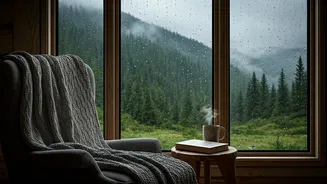
In the age of social media, the aesthetic of a vacation matters. And right now, the ‘cabin core’ aesthetic—think flannel shirts, crackling fires, misty mornings, and panoramic mountain views—feels more authentic and aspirational than another sunset-over-the-ocean photo. It taps into a collective yearning for simplicity, nature, and a rugged-but-comfortable self-reliance. It’s less about showing off a luxury resort and more about curating a unique, personal experience.
The stories you can tell from a mountain trip feel richer. You didn’t just ‘go to the beach’; you summited a peak, saw a moose, or discovered a hidden waterfall. These experiences are potent social currency, signaling a preference for adventure and substance over style. While the beach remains a beloved classic, the mountains are capturing the narrative of what an American vacation can and should be in the 21st century.