





The Window Seat Paradox
You board the plane, triumphant. You secured 14A. You imagine yourself gazing at the cloudscape, lost in thought. But reality quickly sets in. Your phone is dying, but the charging cord is tangled in your backpack in the overhead bin. You get a drink,
but the condensation immediately creates a puddle on your tray table. A rogue piece of ice from your cup melts into your book. You’re trapped, surrounded by your own small, damp messes, with nowhere to put anything. The seat-back pocket, the one built-in storage option, is a mystery zone you’re not brave enough to explore. This is the paradox: the best seat on the plane often provides the worst personal-space management.
Why the Seat-Back Pocket Fails Us
Let’s be honest about the seat-back pocket. Flight attendants have shared horror stories of the items they’ve found in them: dirty diapers, used tissues, old food, and worse. Even on a clean plane, it’s a deep, dark cavern where your smaller items—lip balm, AirPods, snack wrappers—go to disappear. It’s too large for small things and too flimsy for heavy things. Trying to fish your phone out of its depths without elbowing your neighbor is an Olympic sport. It’s an unreliable, often unsanitary, and ultimately inadequate solution for the modern traveler’s needs. We need a dedicated, clean, and contained space for our in-flight essentials, and the airlines simply aren’t providing it.
The Waterproof Bag as Your In-Flight Caddy
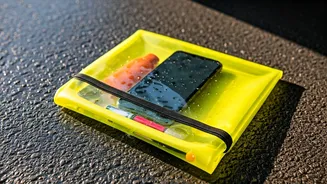
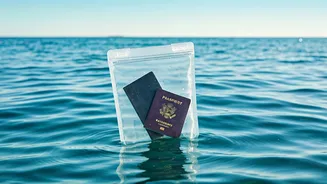
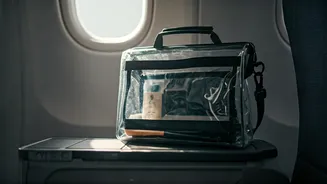
Enter the humble waterproof bag. We’re not talking about a giant Ziploc, but a sturdy, reusable silicone or coated-nylon pouch, often marketed as a toiletry bag or a small-scale “dry bag.” Its genius lies in its simplicity and versatility. Placed on your lap or the floor by your feet, it becomes your personal, portable hub. Spill your ginger ale during turbulence? The mess is contained. That sweating can of seltzer? It lives in the bag, not on your pants. Need a place for the wrapper from your protein bar or a used sanitizing wipe? The bag becomes a personal, sealed trash receptacle until you can properly dispose of it. It’s a clean, controlled environment in a space where you have very little control.
Choosing Your Perfect Co-Pilot
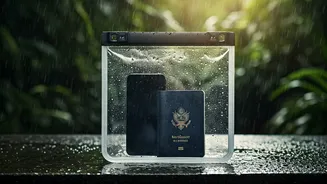
Not all waterproof bags are created equal for this task. The ideal “window-seat bag” has a few key features. First, size is critical. You want something large enough to hold a phone, a charger, a small snack, and a few essentials, but small enough that it doesn’t become its own piece of luggage. Think of a standard dopp kit or a large makeup bag. Second, material matters. Look for silicone, TPU, or PVC-coated nylon that is genuinely waterproof or at least highly water-resistant, with a secure closure like a high-quality zipper or a roll-top seal. A flat bottom helps it stand upright on the floor, and a wrist strap can be useful for carrying it through the airport. Finally, consider a light-colored interior, which makes it infinitely easier to find what you’re looking for mid-flight without having to dump everything out.
More Than Just Spill-Proof
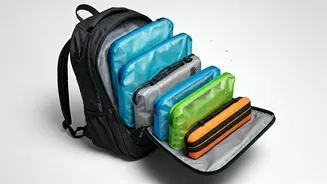
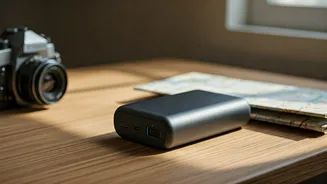
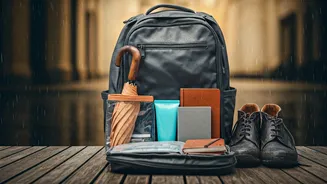
While its primary job is containment, the waterproof bag’s true value is in the peace of mind it brings through organization. Before you even sit down, you transfer your in-flight must-haves from your main carry-on into this smaller pod. Now, your headphones, charging brick and cable, lip balm, eye drops, pen, and passport are all in one easy-to-reach spot. You never have to stand up and awkwardly rummage through the overhead bin because you forgot your portable charger. You don’t have to bother your sleeping neighbor to access your backpack under the seat. Everything you need for the next few hours is right there, clean, dry, and accounted for. It transforms your cramped personal space from a source of anxiety into a zone of serene efficiency.