





Start at the Source: The Tuner Shops
Forget generic souvenir shops. Your journey begins at the hallowed grounds where legends are built. While many guides point you to sprawling brand showrooms, the real soul of Japanese car culture lives in its tuner shops. Make a trip to Spoon Sports Type
One in Ogikubo, a name whispered with reverence by Honda fanatics. It’s not a flashy museum; it’s a working garage where you can see the meticulous craftsmanship up close. If Porsches are more your speed, finding an RWB (RAUH-Welt Begriff) build in the wild is a quest, but a visit to the area around master builder Nakai-san's workshop in Chiba is a pilgrimage in itself. These aren't just stores; they're the temples of the tuning world. Be respectful, book appointments where required, and you might just see history in the making.
Get Behind the Wheel (The Right Way)
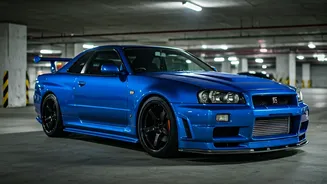
Seeing iconic JDM cars is one thing; driving them is another. Your upgrade means skipping the go-karts and getting into a real machine. Companies like Fun2Drive or Omoshiro Rent-a-Car, located near the legendary mountain roads of Hakone, offer a fleet of dream cars. We're talking Nissan Skylines (from the R32 to the R34), Mazda RX-7s, and the tofu-delivery legend itself, the Toyota AE86. Book well in advance, bring your International Driving Permit, and prepare for the drive of your life on the Hakone Turnpike, Japan’s version of the Nürburgring. The winding roads, breathtaking views of Mount Fuji, and the sound of a classic Japanese engine echoing through the mountains is an experience that photos can’t capture.
Experience the Legend of Daikoku Futo
This is it. The holy grail. Daikoku Parking Area, a massive rest stop on an island near Yokohama, is the most famous car meet location on the planet. On any given Friday or Saturday night, it transforms into a rolling car show unlike anything else. You’ll see everything from pristine Hakosuka Skylines and wild Lamborghinis with neon lights to slammed VIP sedans and custom Kei cars. Getting there can be tricky; a taxi or a rental car is your best bet. The key is to go early (around 8 PM) and be prepared for the police to gently shut things down later in the evening. This isn't a structured event. It’s a spontaneous, organic gathering of enthusiasts. Be quiet, be respectful, don’t touch the cars, and soak in the incredible automotive diversity. It’s the living, breathing heart of Japanese car culture.
Hunt for Treasure at Up Garage
Every car nerd loves a good treasure hunt, and Up Garage is your playground. This nationwide chain of used-parts stores is paradise for anyone looking for a unique souvenir. You can find everything from vintage steering wheels and rare alloy rims to obscure engine components and old-school bucket seats. Even if you're not planning on shipping a gearbox home, browsing the aisles is a cultural experience. It’s a window into what parts are popular, what cars are being modified, and the sheer depth of the tuning scene. The stores are meticulously organized, and the 'junk' section often holds hidden gems for pennies on the dollar. Find a location, clear an afternoon, and see what you can discover.
Visit the Miniatures at Tamiya Plamodel Factory
After seeing the real thing, dive into the world of miniatures that fueled so many automotive obsessions. The Tamiya Plamodel Factory in Shimbashi is a three-story flagship store dedicated to one of the most respected names in model-making. The ground floor showcases stunningly detailed finished models, including cars, military vehicles, and more. The second floor is a sea of model kits, tools, and paints, offering a chance to bring a miniature GT-R or Supra home with you. It’s a perfect, low-key activity that connects you to another facet of car culture. Building a model of a car you saw at Daikoku the night before is the perfect way to capstone your trip.