




The Weight of Waiting
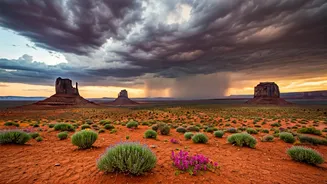
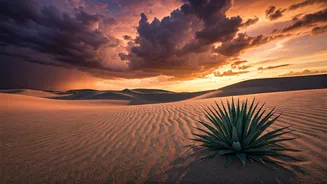
Before the rain, there is the heat. In the high desert of the American Southwest, summer afternoons are an exercise in stillness. The sun bakes the color from the landscape, leaving behind pale ochre, dusty sage, and the deep, resilient green of cactus.
It’s a heat that presses down, silencing the birds and sending creatures into shady burrows. This is the stage, seemingly dormant, where the drama of the North American monsoon begins. For a couple escaping the noise of city life, this quiet can feel like a test. The world is stripped down to its elements: rock, sky, and a shimmering horizon. Conversation lulls, replaced by the low hum of the air conditioner and the shared experience of waiting. There’s an intimacy in this shared anticipation, a silent acknowledgment that they are waiting for the same thing—a break in the oppressive calm, a release.
A Change on the Wind
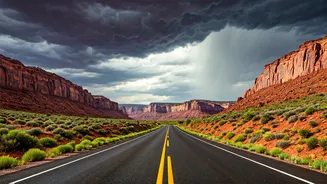
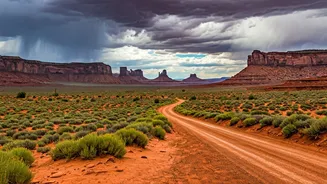
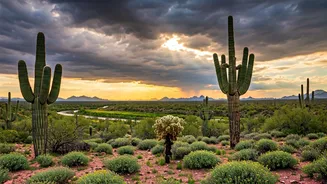
It starts subtly. A distant cloud on the horizon, once a harmless puff of white, begins to build upon itself, darkening at its base. The air stirs. A gust of wind, carrying the first cool promise of relief, rustles the brittle branches of a palo verde tree. It carries with it a scent that is almost impossible to describe but instantly recognizable to anyone who has experienced it: petrichor, the earthy, mineral-rich smell of rain hitting dry soil. In the desert, it’s amplified by the fragrance of creosote bushes, a perfume that is the very essence of the Southwest. This is the moment the atmosphere shifts from lethargic to electric. The sky transforms into a canvas of bruised purples, deep blues, and angry grays. The world holds its breath. Standing on a porch, watching the storm roll in, is to witness a force of nature gathering its strength. It’s a humbling, awe-inspiring spectacle that makes personal anxieties feel small. It’s a moment to grab someone’s hand, to feel the shared thrill of what’s to come.
The Deluge and the Drama
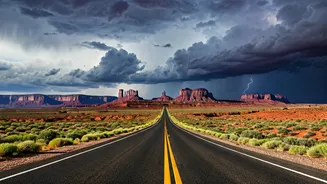
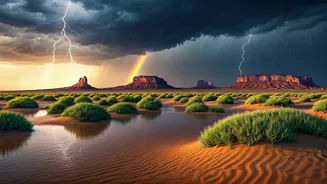
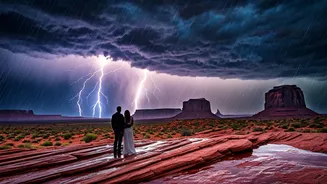
When the monsoon finally breaks, it is not with a gentle pitter-patter. It is a sudden, violent, and glorious release. The first drops are heavy, splattering into the dust like silver dollars. Within seconds, the downpour is a solid wall of water, a roaring torrent that blurs the landscape and drums a deafening rhythm on the roof. The air cools instantly, dramatically. Lightning spiders across the sky, illuminating the scene in stark, photographic flashes, followed by the deep, chest-rattling boom of thunder that seems to shake the very ground. To be inside, watching the storm unleash its fury, is to feel both protected and connected to its wild power. It’s a natural drama that dwarfs anything on a screen. For a relationship, the storm can act as a powerful metaphor. The clearing of the air, the release of pent-up energy, the raw and untamable beauty—it’s a reminder that passion isn’t always calm and serene. Sometimes, it’s a force that needs to be unleashed, washing away the trivialities and leaving behind what is essential.
A World Reborn
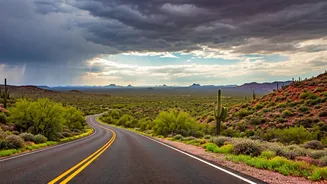
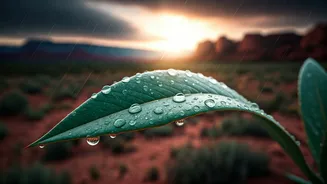
Just as quickly as it arrived, the storm moves on. The rain softens, the thunder retreats into the distance, and shafts of golden, late-afternoon sunlight break through the clouds. The world it leaves behind is transformed. The air is crystalline, scrubbed clean of dust and haze. The muted colors of the desert are now impossibly vibrant. The creosote and sage release their fragrance with renewed intensity. Tiny, ephemeral streams, or arroyos, gurgle where there was dry dust minutes before. The desert, which had seemed so harsh and lifeless, is suddenly, miraculously, teeming with life. This renewal is the monsoon’s greatest gift. It’s a visceral demonstration of resilience and rebirth. Walking out into the fresh, damp air, a couple can feel that same sense of a fresh start. The intensity of the shared experience—the awe, the slight fear, the ultimate relief—forges a unique bond. They didn’t just watch the storm; they went through it together.