
Not Your Parents’ Spice Rack
The kitchen has always been a reflection of the times. For decades, the American pantry was a predictable landscape of flour, sugar, salt, and perhaps a daring jar of paprika. But for a growing number of young home cooks, the essentials look wildly different.
We're not just talking about Sriracha or gochujang, which have already crossed over from trendy to mainstream. The new frontier is stocked with ingredients that are as much about function and story as they are about flavor. Two stars of this new culinary universe are adaptogens and black garlic—one pulled from the world of wellness, the other from the art of fermentation. Together, they tell a story about a generation that wants its food to do more, taste more, and be more interesting.
First Up: What Are Adaptogens?
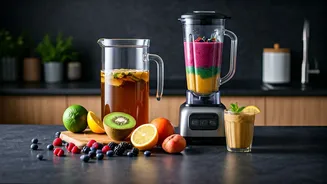
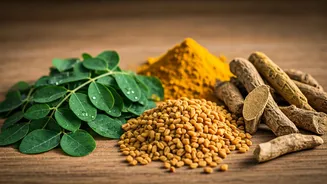
If you've seen influencers adding a mysterious powder to their morning smoothies, you've likely encountered an adaptogen. The term refers to a class of herbs, roots, and mushrooms that are believed to help the body 'adapt' to and resist physical, chemical, and biological stress. Think of ashwagandha, rhodiola rosea, maca root, and reishi mushrooms. While they have been staples in traditional medicine systems like Ayurveda and Traditional Chinese Medicine for centuries, their journey into the American mainstream has been supercharged by wellness culture. Gen Z, a generation acutely aware of mental health and burnout, has embraced them not just as supplements, but as ingredients. They're being whisked into lattes, blended into soups, and baked into 'functional' brownies. The science on their effectiveness is still developing and often debated, but their cultural power is undeniable. For many, adding a dash of ashwagandha is an act of self-care, transforming a simple meal into a tool for managing a stressful world.
And Then There's Black Garlic
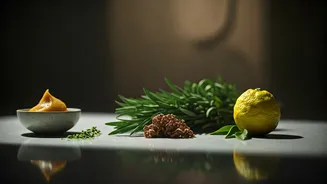
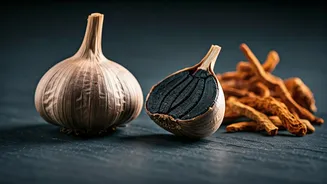
On the other side of the flavor spectrum is black garlic. This is not some exotic garlic variety from a faraway land; it's regular garlic transformed. Through a process of slow, low-temperature aging over several weeks, the familiar pungent cloves turn soft, jet-black, and sticky. The flavor undergoes a radical metamorphosis, losing its sharp bite and developing a deeply complex, savory-sweet profile with notes of balsamic vinegar, molasses, and tamarind. It’s pure, concentrated umami. For years, black garlic was the secret weapon of high-end restaurant chefs, used to add inexplicable depth to sauces, marinades, and dressings. But thanks to its increased availability online and in specialty stores, home cooks are getting in on the secret. For Gen Z, who came of age watching YouTube chefs and TikTok recipe creators, it represents an accessible form of culinary magic. It’s an ingredient that can instantly elevate a simple dish—like avocado toast, ramen, or a basic pasta—into something that tastes like it took hours to prepare. It’s an easy, low-effort way to achieve high-impact flavor.
The TikTok-to-Table Pipeline
So why are these two seemingly unrelated ingredients booming at the same time? The answer lies in the digital ecosystem that shapes Gen Z’s tastes. Platforms like TikTok and Instagram have created a powerful 'TikTok-to-Table' pipeline, where intriguing, visually appealing, and slightly novel ingredients can achieve viral fame overnight. A 30-second video can demystify black garlic for millions, showing exactly how to smear it on toast. Another can demonstrate how to make a calming 'moon milk' latte with an adaptogenic powder. This digital-first approach to food discovery flattens the learning curve. There’s no need to pore over dense cookbooks. Instead, a generation of cooks is learning through short, engaging videos that make experimentation feel fun and low-stakes. These ingredients aren't just food; they're content.
A New Philosophy of Food
Ultimately, the rise of adaptogens and black garlic points to a broader shift in how a new generation thinks about food. It's a move away from rigid diets and toward a more holistic, intuitive, and adventurous approach to eating. It’s about 'functional foods' that promise to soothe your anxiety while also tasting good. It’s about embracing global flavors and ancient techniques to create something new and exciting in your own kitchen. This isn't just a fleeting trend; it’s a reflection of a generation that is curious, globally connected, and seeking comfort, control, and a little bit of magic in an uncertain world. The contents of their pantry tell us they’re finding it, one spoonful of ashwagandha and one clove of black garlic at a time.