

Banish the Squeak with a Hot Water Soak
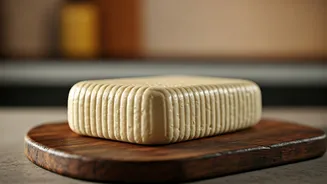
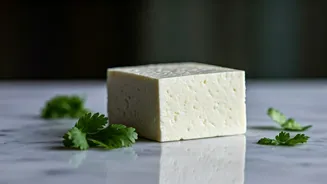
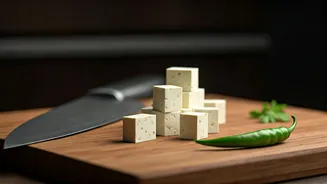
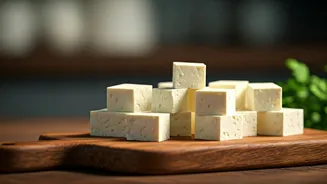
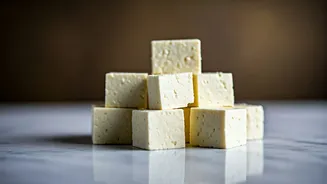
The most common complaint about store-bought or even homemade paneer is its dense, squeaky, and sometimes rubbery texture. The secret to transforming it into a soft, pillowy delight is shockingly simple: a warm bath. Before you do anything else, cut your
block of paneer into cubes or slabs. Place them in a heatproof bowl and cover with hot (not boiling) water. Add a generous pinch of salt, which helps season the cheese from the inside out. Let it soak for 15 to 20 minutes. This process rehydrates the cheese, relaxes the protein strands, and dramatically improves the texture. Once soaked, the paneer will absorb marinades more readily and have a melt-in-your-mouth quality, whether it’s fried for a curry or added directly to a sauce.
Unlock Flavor with a Two-Step Marinade
Paneer is a blank canvas, which is both its greatest strength and its biggest challenge. On its own, it’s exceptionally mild. To make it the star of a dish, you must infuse it with flavor. Many restaurant chefs use a two-step marination process. First, toss the soaked and dried paneer cubes with a dry spice rub—think turmeric, red chili powder, salt, and maybe some ginger-garlic paste. Let this sit for 10 minutes to form a concentrated flavor crust. The second step is a wet marinade, typically made with thick yogurt, which helps tenderize the paneer further and allows the flavors to penetrate deeply. Let the paneer sit in this second marinade for at least 30 minutes, or up to a few hours in the fridge, for truly spectacular results.
Get the Perfect Sear: Dryness Is Your Friend
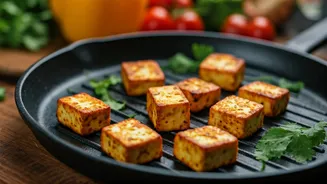
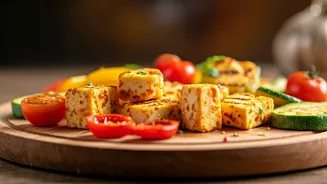
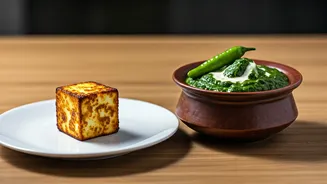
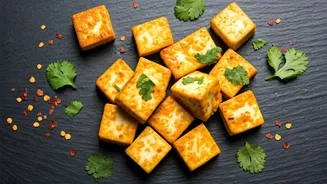
To achieve that beautiful, golden-brown crust you see in restaurants, moisture is your enemy. After soaking your paneer, it’s crucial to pat it completely dry with paper towels. Any surface moisture will cause the paneer to steam in the pan instead of sear, resulting in a pale, soggy exterior. When you’re ready to cook, use a well-seasoned cast-iron or non-stick skillet over medium-high heat. Add a fat with a high smoke point, like ghee or a neutral oil. Once the oil shimmers, carefully place the dry paneer cubes in a single layer, ensuring you don’t overcrowd the pan. Let them cook, undisturbed, for a few minutes until a crust forms, then flip and brown the other sides.
Stop the Sticking with Patience and Heat
There’s nothing more frustrating than watching your perfectly marinated paneer cubes weld themselves to the bottom of your pan. This usually happens for two reasons: the pan isn’t hot enough, or you’re too impatient. Before adding the paneer, make sure your pan and oil are properly preheated. When you add the first cube, it should sizzle immediately. If it doesn't, wait. Once the paneer is in the pan, resist the urge to move it. Give it a solid 2-3 minutes to form a proper crust. This crust not only adds texture and flavor but also acts as a natural barrier, allowing the paneer to release itself from the pan. Trying to flip it too early will tear the cube and leave the best part stuck to the skillet.
Think Beyond the Cube
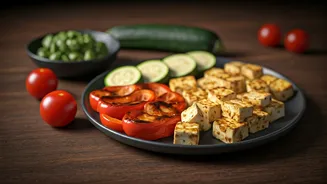
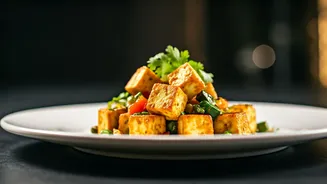
While cubes are classic for curries like palak paneer or paneer butter masala, this versatile cheese has so much more to offer. Try crumbling it to use as a high-protein filling for tacos, stuffed bell peppers, or vegetarian lasagna. A classic North Indian dish, paneer bhurji, is essentially a savory scramble made with crumbled paneer, onions, tomatoes, and spices—perfect with toast for a quick breakfast or dinner. You can also cut paneer into thick slabs for grilling or pan-searing like a steak, or thread marinated cubes onto skewers with vegetables for a fantastic vegetarian barbecue option. Don't be afraid to experiment; its mild flavor and sturdy texture make it an excellent substitute for meat or tofu in a huge variety of dishes.