






A City in the Clouds Comes Alive
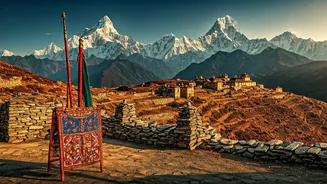
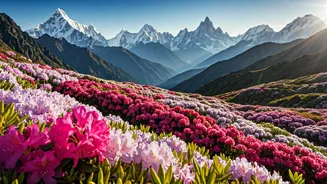
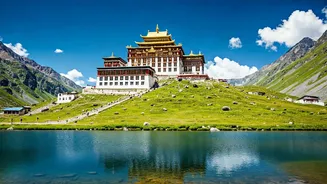
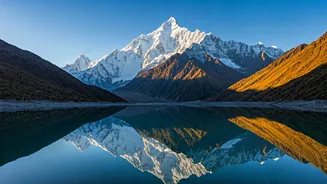
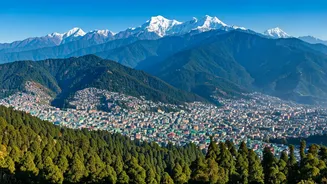
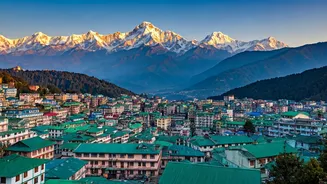
Imagine a city perched on a ridge over 5,400 feet above sea level, with jagged, snow-capped peaks piercing the sky in the distance. This is Gangtok, the capital of India’s northeastern state of Sikkim. For one week every summer, its winding streets and
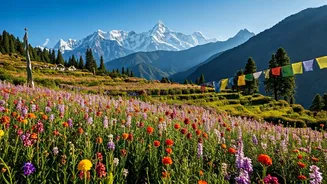
bustling squares transform into an open-air stage. The recent Summer Cultural Week saw the city’s famous MG Marg, a pedestrian-only promenade, become the festival's beating heart. Lined with fluttering prayer flags and vibrant banners, the area buzzed with an energy that felt both contemporary and deeply rooted in centuries of Himalayan tradition. Locals and the few travelers lucky enough to be there mingled under clear mountain skies, drawn together by the promise of spectacle and community spirit.
The Rhythms of the Himalayas
The soul of the festival was its music and dance. This wasn’t a single performance on a distant stage; it was a living, breathing part of the city’s atmosphere. Troupes representing Sikkim’s diverse ethnic communities—including the Lepcha, Bhutia, and Nepali—took to the streets in breathtaking displays. Audiences were captivated by the energetic Tamang Selo, a dance performed to the rhythmic beat of the damphu drum, its performers adorned in colorful, intricate outfits. Another highlight was the Maruni dance, a traditional Nepali form known for its graceful movements and shimmering costumes, often telling stories of mythology and daily life. These weren't dusty relics; they were explosive, joyful expressions of identity, passed down through generations and performed with a passion that was impossible to ignore.
A Taste of Sikkim's Soul
No cultural celebration is complete without food, and Gangtok’s festival was a feast for the senses. Food stalls popped up across the city, sending plumes of fragrant steam into the cool mountain air. The undisputed star was the momo, a Tibetan-style dumpling filled with spiced meat or vegetables, served with a fiery chili sauce. Long lines formed for a taste of these perfect, steaming parcels. Beyond momos, attendees indulged in Thukpa, a hearty noodle soup perfect for the crisp evenings, and Phagshapa, a flavorful pork dish made with radishes and dried chilies. It was a culinary tour of the region, offering flavors that are savory, spicy, and utterly unique—a direct taste of Sikkim’s agricultural bounty and its blend of cultural influences from Tibet, Nepal, and Bhutan.
Artisans and Ancient Crafts
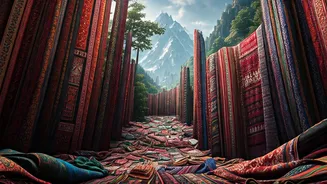
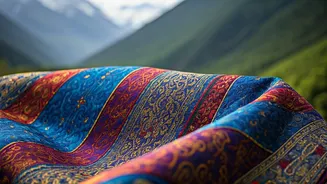
Wandering away from the main stages, visitors found pavilions dedicated to the region’s rich artisanal heritage. Here, masters of their craft showcased skills honed over centuries. Delicate Thangka paintings—intricate Buddhist scroll artworks depicting deities and mandalas—were on display, their vibrant colors and gold-leaf details mesmerizing onlookers. Weavers demonstrated the creation of traditional woolen carpets and intricately patterned shawls. Stalls sold hand-carved wooden masks used in monastic dances, miniature prayer wheels, and jewelry made from turquoise and coral. This was more than just a market; it was an interactive museum, a chance to meet the artisans keeping these ancient techniques alive and to understand the deep spiritual and cultural significance embedded in each creation.
More Than Just a Festival
For the people of Gangtok and Sikkim, the Summer Cultural Week is more than just a tourist attraction or a week of fun. It’s a powerful act of cultural preservation. In a rapidly modernizing world, the festival serves as a crucial platform for younger generations to connect with their roots, learn the songs and dances of their ancestors, and take pride in their unique identity. It’s a vibrant declaration that this Himalayan culture is not a static exhibit but a dynamic, evolving force. The welcoming atmosphere, where visitors are encouraged to watch, learn, and even participate, underscores a spirit of openness and a desire to share their world with others.