

So, What Exactly is ‘Chatpata’?
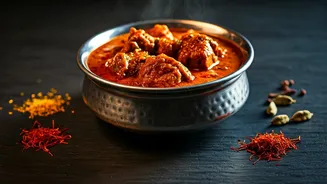
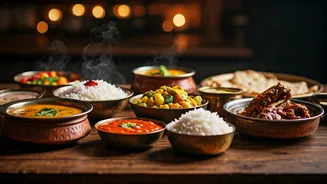
If you’ve ever had Indian street food, you’ve experienced chatpata. It’s not a single spice or ingredient, but a thrilling flavor profile. The word itself, from Hindi, loosely translates to “lip-smacking” or “savory,” but that barely scratches the surface.
Think of it as a culinary balancing act: a dizzying, delightful collision of sweet, sour, spicy, tangy, and salty all in one bite. It’s the flavor that makes you close your eyes and say, “Whoa.” Unlike the straightforward umami of soy sauce or the simple heat of a jalapeño, chatpata is about complexity and sensation. It’s the pop of acidity from tamarind, the funky tang of black salt, the gentle sweetness of jaggery or dates, the sharp kick of chili, and the earthy depth of cumin, all working in perfect, chaotic harmony. It’s the defining characteristic of chaat, the broad term for India’s beloved savory snacks, designed to wake up your entire palate.
The Building Blocks of the Upgrade
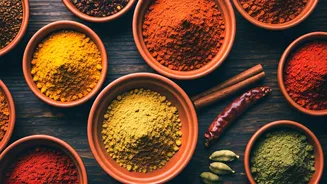
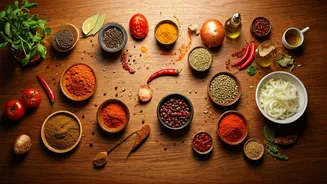
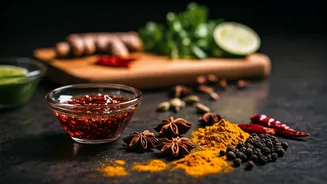
Achieving this flavor dimension at home sounds intimidating, but it’s really about stocking a few key players in your spice rack. Think of these as your new power tools for flavor.
* Chaat Masala: This is the quintessential chatpata cheat code. A pre-made spice blend, it typically includes amchur (dried green mango powder), cumin, coriander, ginger, black pepper, and kala namak. A sprinkle on fries, roasted vegetables, or even popcorn is an instant transformation.
* Amchur (Dried Mango Powder): Your new secret weapon for sourness. Made from unripe green mangoes, it adds a bright, tart kick without the liquid of lemon or vinegar. It’s fantastic in marinades, dressings, and rubs.
* Kala Namak (Black Salt): Don’t be fooled by the name; this kiln-fired rock salt is pinkish-gray and has a distinctly funky, sulfuric aroma and taste reminiscent of eggs. It sounds strange, but in small amounts, it adds an irreplaceable savory depth that’s central to the chatpata experience.
* Tamarind: Available as a paste or concentrate, tamarind delivers a sweet-and-sour punch that’s more complex than citrus. It forms the base for countless chutneys and sauces and is brilliant for glazing grilled meats or adding depth to stews.
Why This is the ‘2026 Upgrade’
For years, the American palate has been evolving. We’ve graduated from basic salt and pepper to embracing sriracha, gochujang, and za’atar. The rise of chatpata is the next logical step in this culinary journey. It represents a move away from one-note meals toward layered, dynamic, and deeply satisfying food. The “2026” in the headline isn't a hard date; it’s a concept. It’s about building a modern, global pantry that reflects the way we eat now—and the way we’ll want to eat in the future.
Companies are catching on. Brands like Diaspora Co. and Spicewalla have built loyal followings by sourcing high-quality, single-origin South Asian spices and making them accessible. Even mainstream supermarkets are expanding their “international” aisles, recognizing that ingredients like tamarind paste and chaat masala are no longer niche. This isn't about cooking “authentic” Indian food (though you can certainly do that); it's about borrowing a brilliant flavor philosophy and applying it everywhere.
Easy Ways to Get Started
Ready to experiment? The beauty of chatpata is its versatility. You don’t need a new recipe; you just need to start sprinkling, mixing, and tasting.
* Upgrade Your Veggies: Toss roasted broccoli or sweet potatoes with a generous dusting of chaat masala right out of the oven.
* Reinvent Your Drinks: Add a pinch of kala namak and a squeeze of lime to your lemonade or sparkling water for a savory, refreshing twist.
* Supercharge Your Dips: Stir a teaspoon of tamarind paste into yogurt or mayonnaise for a tangy dip for chips, vegetables, or chicken wings.
* Wake Up Your Fruit: In India, it’s common to sprinkle a mix of chili powder, salt, and a little chaat masala on slices of fresh mango, pineapple, or watermelon. Try it once, and you’ll never go back.