


A Journey to a Bygone Era
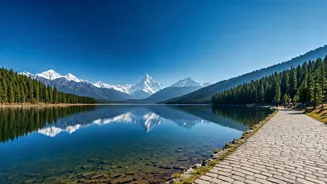
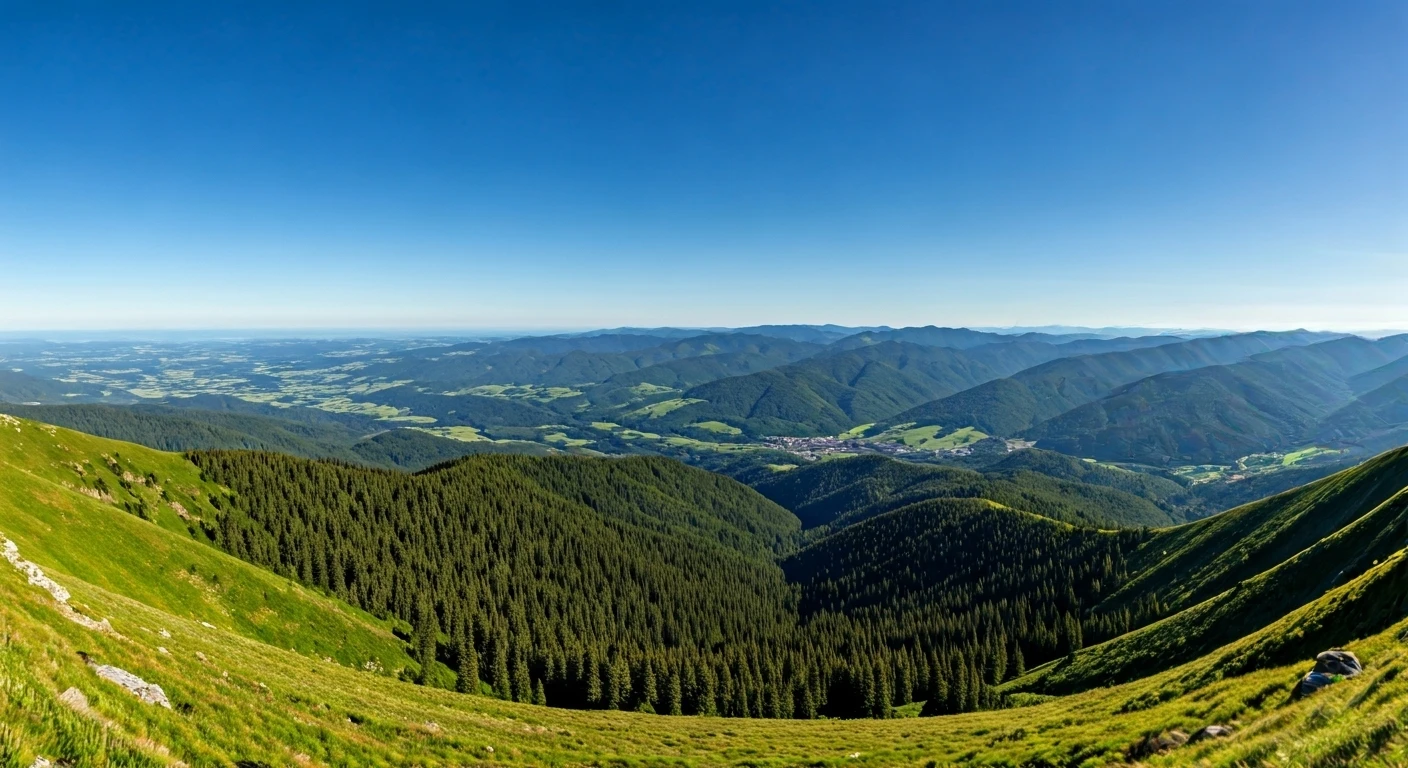
The journey to Nainital, a popular hill station in India’s Uttarakhand state, is a destination in itself. As you leave the plains behind, the air grows cooler and carries the scent of pine and damp earth. Winding roads curve around mountainsides, revealing
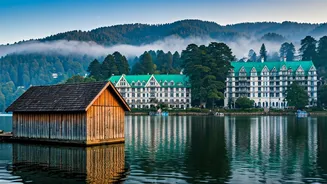
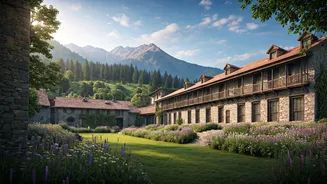
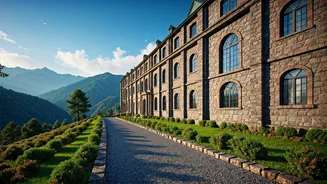
dramatic valley views and glimpses of the town's famous emerald lake. But to find the real treasure, you have to venture a little further, away from the bustling market and onto quieter, tree-lined lanes. Here, nestled amidst a forest of deodar and oak trees, stands The Vergomont Estate. Built around 1870, this sprawling Gothic-style bungalow isn’t a hotel in the modern sense; it’s a portal. From the moment you see its stone-clad facade and gabled roofs emerge from the mountain mist, you feel like you’ve stumbled upon a secret whispered through generations.
Living Inside a History Book
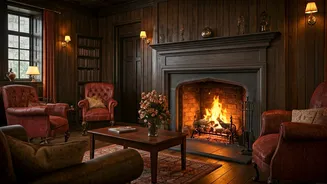
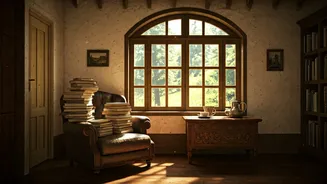
The phrase “150 years old” isn’t just a number here; it’s the very soul of the place. Originally constructed during the British Raj, the estate served as a summer retreat for colonial officers escaping the oppressive heat of the lowlands. That history is etched into every detail. The structure itself is a classic example of British hill station architecture, designed to be both imposing and in harmony with its rugged surroundings. Inside, the story continues. Instead of generic decor, you find rooms filled with genuine antique furniture that has been in the family for decades. Think four-poster beds you need a step stool to climb into, heavy velvet curtains, ornate writing desks that have likely seen a century’s worth of letters penned, and, of course, multiple fireplaces that crackle to life on chilly evenings. The floors creak with the weight of history, and the walls, adorned with period artwork and faded photographs, have more tales to tell than any history book.
The Definition of Charm
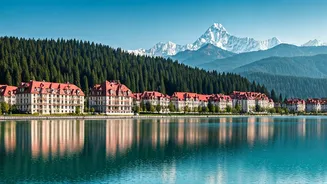
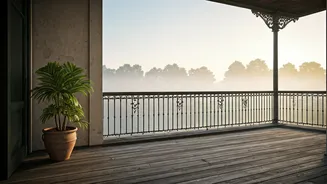
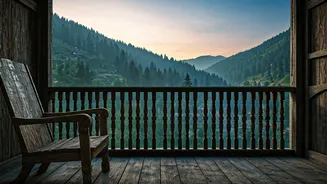
So what elevates this from a beautiful old house to “old-world charm goals?” It’s the feeling. It’s waking up not to the sound of traffic, but to birdsong and the sight of sunlight filtering through ancient trees. It’s having your morning tea on a veranda that overlooks the snow-capped Himalayan peaks. It’s the absence of televisions in the rooms, a gentle encouragement to read a book by the fire or simply talk. This isn’t the manufactured, cookie-cutter luxury of a five-star chain. The charm is in the imperfections—a slightly uneven floorboard, a vintage light switch, the cozy, lived-in atmosphere. The hospitality is deeply personal, more akin to staying with gracious friends than checking into a commercial establishment. Meals are often home-cooked, featuring local ingredients and family recipes, served in a dining room that feels like it’s set for a 19th-century dinner party.
An Antidote to Modern Life
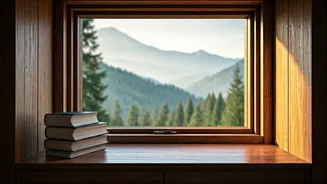
In a world of constant connectivity, relentless notifications, and the pressure to be always-on, the appeal of a place like this has never been stronger. It offers a rare opportunity for a genuine digital detox. Here, the slow pace isn't a bug; it's the main feature. You find yourself replacing screen time with long walks through the surrounding forests, exploring hidden trails, and simply sitting still. This kind of travel reconnects you not only with nature but with a more deliberate, thoughtful way of being. It’s a reminder that beauty often lies in preservation, not innovation. The experience isn’t about what you can do there, but how it makes you feel: calm, grounded, and part of a long, unbroken story.