


From Forgotten Space to Wellness Sanctuary
The shift isn't just about aesthetics; it's about well-being. As Americans spend more time at home, the psychological need for a connection to nature—a concept known as biophilia—has become more pronounced. A concrete jungle can feel isolating, but a small
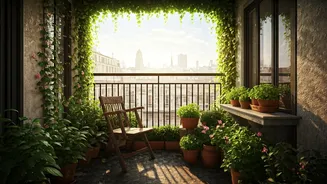
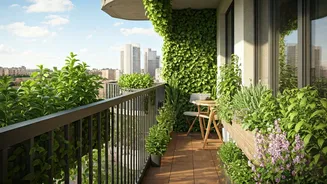
patch of green just outside your sliding glass door can serve as a powerful antidote. This green makeover is less about traditional landscaping and more about creating a personal retreat. It’s an intentional move to carve out a space for morning coffee surrounded by leaves, evening relaxation amid fragrant herbs, or the simple, mindful act of watering plants. Architects and designers are noting a clear demand from renters and buyers for more usable, welcoming outdoor areas, no matter how small.
What the Green Makeover Looks Like
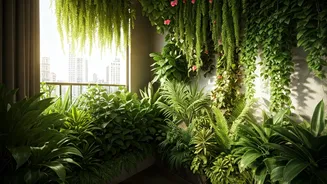
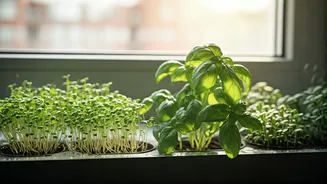
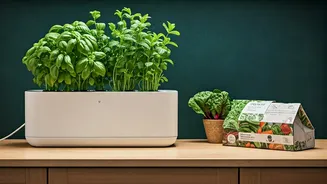
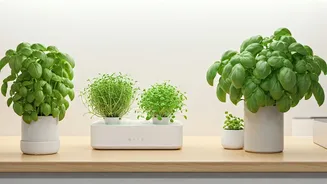
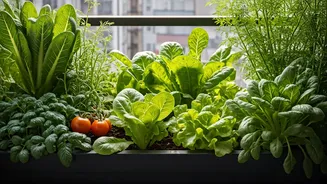
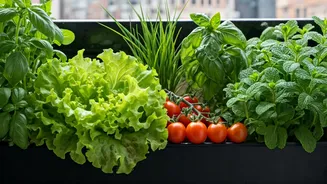
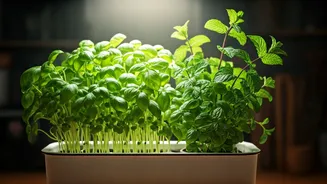
This isn’t your grandmother’s window box. Today’s balcony gardens are sophisticated, efficient, and tailored to city living. Vertical gardens are a popular solution, using wall-mounted planters or trellises to grow everything from decorative ivy to strawberries, maximizing yield in a minimal footprint. Edible gardens are also booming, with urbanites discovering the joy of snipping fresh basil for pasta or growing their own cocktail garnishes. Other common elements include modular outdoor furniture that can be easily rearranged, privacy screens made from bamboo or climbing plants, and eco-friendly touches like self-watering planters and compost bins designed for small spaces. The goal is to create a cohesive “outdoor room” that feels both lush and functional.
First Steps: Planning Your Balcony Oasis
Before you rush to the nearest nursery, a little planning goes a long way. The first, non-negotiable step is to check your building's rules. Some have restrictions on the weight you can put on a balcony, what you can hang from the railings, or even the types of planters you can use. Next, perform a sun audit. Track how much direct sunlight your balcony gets and at what time of day. A south-facing balcony that bakes in the afternoon sun will require very different plants than a north-facing one that remains in shade. Finally, consider your own lifestyle. Do you want a low-maintenance succulent garden that thrives on neglect, or are you ready to commit to the daily watering of a vegetable patch? Being realistic about your time and commitment is the key to a successful and stress-free balcony garden.
Easy Plants for Any Balcony
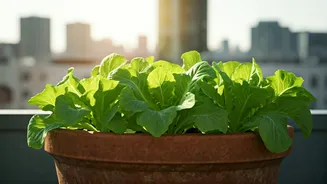
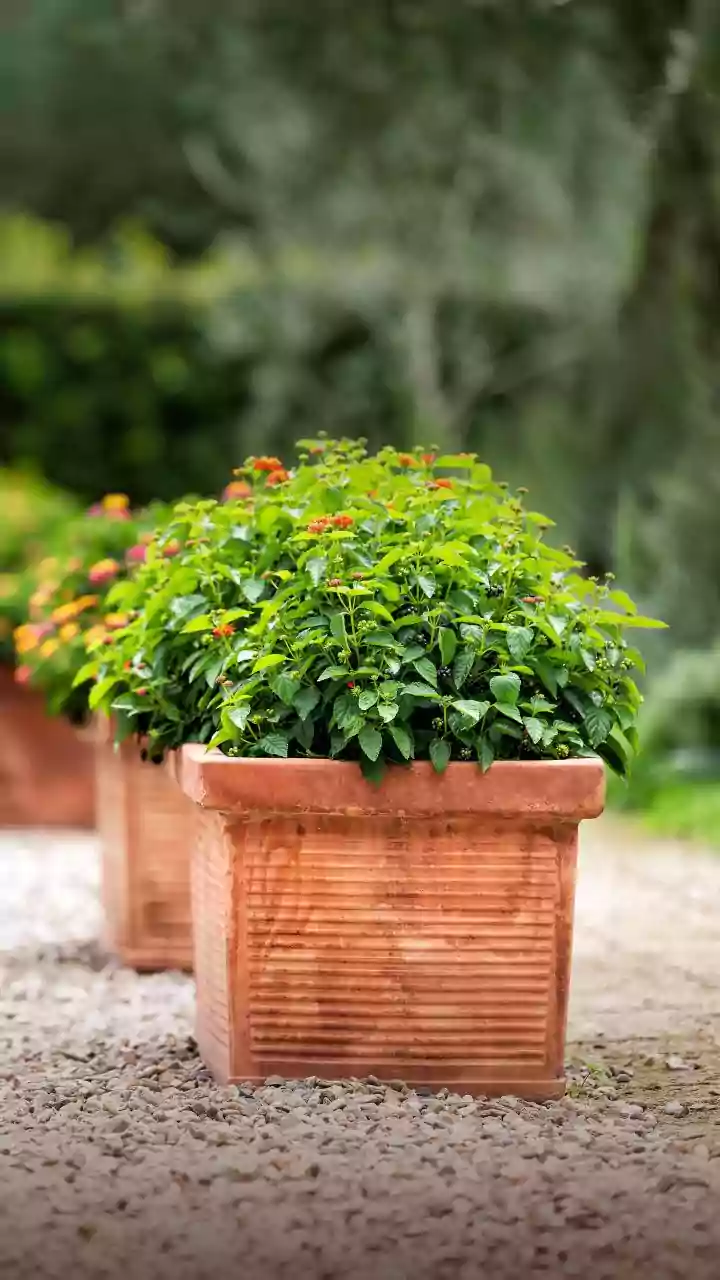
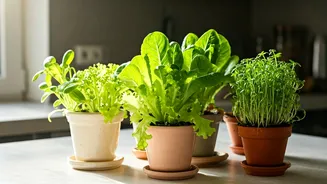
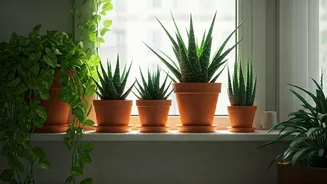
Choosing the right plants is crucial. Here are a few reliable options for getting started: * **For Full Sun:** Hardy herbs like rosemary, thyme, and lavender love the heat. For something edible and cheerful, try compact varieties of cherry tomatoes or peppers. * **For Partial Sun or Shade:** Many leafy greens like lettuce and spinach prefer cooler conditions. For decorative flair, ferns, hostas, and colorful coleus can create a lush, jungle-like feel without needing direct sun. * **For Beginners:** You can't go wrong with succulents and sedums, which are drought-tolerant and require very little care. Snake plants and ZZ plants are also famously indestructible and can handle lower light conditions. * **For Vertical Growth:** To create a living wall or privacy screen, try training a sweet potato vine, jasmine, or even a climbing bean variety up a simple trellis.
The Tangible Health Benefits
The “healthy” part of this green makeover is backed by science. Numerous studies have shown that interacting with plants, even on a small scale, can significantly reduce stress and anxiety. The simple act of gardening provides a gentle form of exercise and a meditative focus that calms the mind. Having greenery within your line of sight is proven to lower cortisol levels and improve mood. Furthermore, plants act as natural air purifiers, filtering pollutants and releasing oxygen. For apartment dwellers who may have limited access to parks, a thriving balcony can be a vital source of daily connection with the natural world, boosting both mental and physical health in a tangible way.