







Meet Ragi, the Ancient Super-Grain
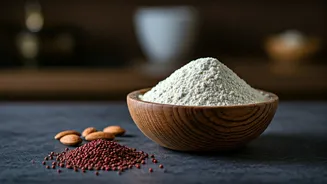
If you haven't heard of ragi, you're not alone—but you’ll be glad you did. Ragi, also known as finger millet, is an ancient, gluten-free grain that has been a staple in parts of Africa and Asia for thousands of years. It’s a nutritional powerhouse, quietly
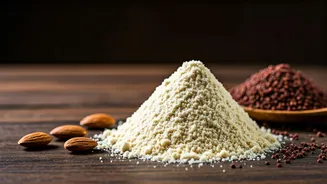
boasting one of the highest calcium contents of any cereal. It's also rich in iron, fiber, and essential amino acids. Unlike many refined flours that are stripped of their nutrients, ragi flour is typically made from the whole grain, preserving all its natural goodness. Its flavor is mild and slightly nutty, with earthy undertones that pair beautifully with warm spices, chocolate, and fruits. While it's a staple elsewhere, it's just now starting to get the attention it deserves in American kitchens for its versatility and impressive health profile.
The Familiar Comfort of Almond Flour
On the other side of this blend is a pantry favorite: almond flour. For years, it has been the go-to for gluten-free, low-carb, and paleo bakers. Made from finely ground blanched almonds, it brings a subtle sweetness, a tender crumb, and a wealth of nutritional benefits to the table. Almond flour is packed with protein, healthy monounsaturated fats, vitamin E, and magnesium. Its high fat content is the key to its baking magic, providing a moisture and richness that can be hard to achieve in healthier recipes. While wonderful on its own, it can sometimes produce very delicate or dense results, depending on the recipe. That’s where its new partner comes in.
Better Together: The Blend's Magic
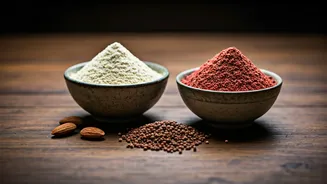
Combining almond and ragi flours isn't just about mixing two healthy ingredients; it's about creating a synergistic blend where each flour balances the other's weaknesses. Ragi can sometimes be dense and a little dry on its own, while almond flour adds necessary fat and moisture for a softer, more tender result. In return, ragi provides a more robust structure than almond flour alone, preventing baked goods from becoming overly crumbly. Nutritionally, they create a more complete profile. You get the protein and healthy fats from almonds, plus the calcium, iron, and fiber from ragi. This combination creates a lower-glycemic, higher-fiber alternative to traditional all-purpose flour, helping to keep blood sugar levels stable and leaving you feeling satisfied longer. The result is a baked good that's not just 'healthy for a treat' but genuinely nutritious.
Tips for Baking with the Blend
Ready to get started? Using an almond-ragi blend is surprisingly forgiving. For most standard recipes for muffins, quick breads, or cookies, you can start by substituting 50% of the all-purpose flour with your blend (for a 1-cup flour requirement, use ½ cup all-purpose and ½ cup of your almond-ragi mix). For a gluten-free version, you can often replace 100% of the flour, though you may need to add a bit more liquid (like an extra splash of milk or another egg) as these flours are thirsty. A good starting ratio for your own blend is 1:1 almond to ragi flour, but feel free to adjust. If you want a lighter texture, use more almond flour. For a heartier, earthier bake, lean more on the ragi. Flavors that work exceptionally well with this blend include banana, chocolate, cinnamon, cardamom, ginger, and vanilla. Don't be afraid to experiment to find what you love.
Easy Recipes to Try First
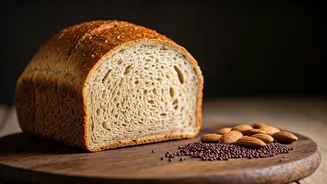
The best way to get comfortable with a new ingredient is to start simple. This blend is perfect for recipes where a dense, moist crumb is a plus. Try it in your favorite pancake or waffle batter for a hearty, protein-packed breakfast. It makes fantastic chocolate chip cookies, giving them a delightful chewiness and nutty depth. Brownies and blondies are also excellent candidates, as the blend’s flavor complements the rich cocoa or brown sugar notes. Another great starting point is banana bread or pumpkin muffins, where the fruit puree adds extra moisture and sweetness, ensuring a foolproof and delicious outcome every time.