



1. Embrace the Boutique Homestay
Forget the sprawling, impersonal resort. The secret to affordable luxury in South India lies in the boutique homestay. These aren't your typical Airbnb spare rooms. Think of them as intimate, family-run guesthouses, often set in stunning ancestral homes or modern
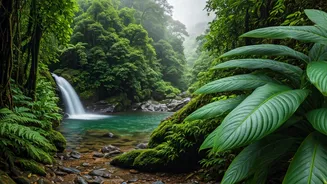
architectural marvels nestled in nature. For a fraction of a hotel's price, you get an experience that's far richer. The luxury here is personal: home-cooked Keralan feasts tailored to your palate, insider tips on secret waterfalls from your host, and a profound sense of place that a generic hotel chain can never replicate. Look for properties with just a handful of rooms in regions like the Kerala backwaters or the hills of Munnar. The service is often doting, the food is authentic, and the connection to the local culture is immediate.
2. Travel During the 'Shoulder Season'
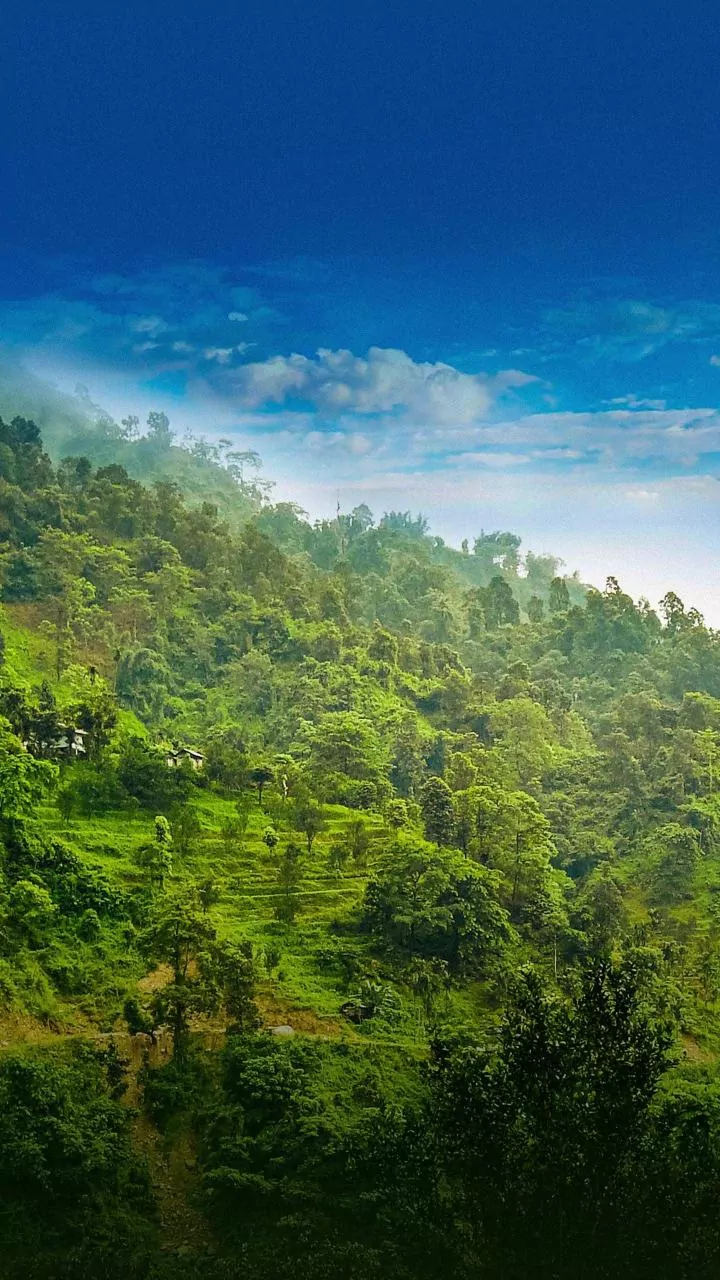
Timing is everything. While everyone flocks to South India during the peak winter months (December to February), the real magic—and the best deals—can be found in the 'shoulder seasons.' This means traveling right after the monsoon, from late September to November, or in the pre-monsoon period from March to May. In the fall, the landscape is impossibly green and vibrant after months of rain, the humidity drops, and tourist crowds are thin. In the spring, you’ll find blooming flowers and warmer weather perfect for hill stations. Airlines and accommodations slash their prices during these windows, sometimes by as much as 30-50%. You get premium weather and five-star views on a three-star budget, all because you avoided the peak-season rush.
3. Look Beyond the Obvious Hotspots
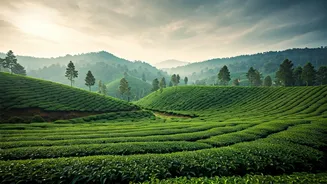
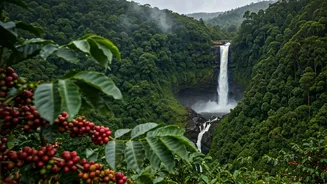
While the backwaters of Alleppey are iconic, they're also the most touristed. To find value, venture slightly off the beaten path. Instead of the main backwater channels, explore the less-crowded northern Keralan region of Wayanad, a mountainous district filled with tea plantations, ancient caves, and incredible biodiversity. Instead of Goa (which isn't in the south but is a common comparison), consider the serene coffee estates of Coorg in Karnataka. Here, you can stay in colonial-era plantation bungalows surrounded by acres of aromatic coffee and pepper plants. These areas offer the same breathtaking nature but with a more authentic, tranquil atmosphere and price points that haven't been inflated by mass tourism.
4. Seek Out Heritage and Plantation Bungalows
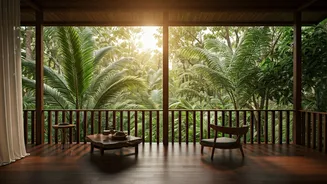
South India is dotted with gorgeous relics of the British Raj—sprawling bungalows on tea and coffee plantations that have been converted into exquisite boutique hotels. These 'heritage' properties are a masterclass in atmospheric luxury. Think four-poster beds, antique furniture, sprawling verandas with wicker chairs, and formal gardens. Staying in one feels like stepping into a Merchant-Ivory film. While some high-end chains manage these, many are independently owned and offer incredible value. You get the grandeur and history of a bygone era, complete with attentive staff and farm-to-table dining, often for the price of a standard business hotel in the U.S. They are particularly common in the hill stations of Tamil Nadu (like Ooty and Kodaikanal) and the plantation regions of Karnataka.
5. Book Directly and Ask About Packages
While booking sites are great for browsing, the best deals at smaller, independent properties are often found by contacting them directly. Many boutique homestays and heritage bungalows are small operations that prefer to handle their own reservations. Check their website or give them a call. This is also your chance to ask about all-inclusive packages. Many will happily bundle your room, all meals, and even a local activity—like a guided trek, a cooking class, or a plantation tour—into a single, discounted price. This not only saves you money but also simplifies your trip, letting you relax the moment you arrive without constantly pulling out your wallet. It's a common practice in India and a great way to lock in exceptional value.