
Start with the 'Imperfect' Objects
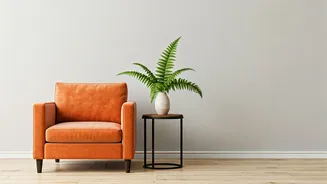
Forget flawless. The items that truly make a house a home often have dings, smudges, or a bit of wear. It might be the slightly chipped coffee mug you bought on a memorable road trip, the well-worn armchair where you read to your kids, or a faded throw
blanket that’s seen you through a dozen flu seasons. These objects aren't valuable because of their brand or condition; they're priceless because they are vessels of experience. Instead of hiding them away, give them a place of honor. This approach shifts the focus from 'Does this look perfect?' to 'Does this make me feel something?' When you prioritize story over perfection, you create a space that is authentically and unapologetically yours.
Curate a Living Gallery Wall
A gallery wall is a classic way to personalize a space, but memory-led design takes it a step further. Move beyond a neat grid of professionally shot family portraits. Think of your wall as a living, evolving timeline of your interests and joys. Frame that concert ticket from the best show you’ve ever seen. Mat a beautifully written thank-you note from a friend. Mix in your child’s first abstract masterpiece next to a fine art print you fell in love with. A pressed flower from a first date, a postcard from a faraway friend, or even a beautifully designed restaurant menu can become part of the story. The result is a dynamic, deeply personal installation that offers something new to discover with every glance and serves as a powerful daily reminder of the life you’re building.
Bring Souvenirs into the Light
Too often, the treasures we collect on our travels end up collecting dust in a drawer or a box in the attic. The key to memory-led decor is integration. Don’t just display souvenirs; give them a job. That colorful textile from a market in Morocco can become a vibrant table runner or be draped over the back of a sofa. The small, hand-carved sculpture from a trip to Mexico can serve as a stylish bookend. A collection of interesting rocks or shells from a family beach vacation can be arranged in a clear glass bowl on your coffee table. By incorporating these items into your daily life, you transform them from forgotten trinkets into active, functional reminders of the world you’ve seen and the adventures you’ve had.
Reimagine Family Heirlooms
Heirlooms can be tricky. We often feel an obligation to display them, but they may not fit our modern aesthetic. The solution is creative repurposing. You don’t have to use your grandmother’s entire 12-piece china set for formal dinners. Instead, hang a few of the most beautifully patterned plates on the wall as art. Take that single, elegant silver tray you inherited and place it by the front door as a chic catch-all for keys and mail. Have an old, slightly threadbare quilt? Fold it and display it on a ladder rack as a piece of textile art. By giving an heirloom a new context and purpose, you honor its history while making it a genuine part of your own contemporary story.
Let Your Bookshelf Speak for Itself
In the world of home styling, there's a trend of turning books around so their spines don't show, creating a uniform wall of beige paper. Memory-led design is the antithesis of this. Your books are a map of your mind and your history. The dog-eared copy of a novel that changed your perspective in college, the splattered cookbook that taught you how to make your favorite dish, the travel guide from a life-changing trip—these all tell a story. Arrange your books in a way that makes sense to you, whether by topic, by color, or in a state of beautiful chaos. Intersperse them with photos and small objects that connect to their themes. A bookshelf filled with your actual reading history is one of the most honest and compelling personal statements you can make in your home.