






More Than Just a Deep Stretch
If your experience with yoga involves flowing movements, quick transitions, and building heat, prepare to meet its polar opposite. Yin Yoga is a slow, meditative practice where poses are held for extended periods—typically three to five minutes, sometimes
longer. Unlike dynamic 'yang' styles like Vinyasa or Ashtanga that focus on muscle engagement and movement, Yin is almost entirely passive and performed on the floor. The goal isn’t to flex or force, but to relax into the posture, letting gravity do most of the work. Instead of powering through a sequence, you surrender to it. This might sound simple, but the challenge is unique. It’s not about muscular endurance; it’s about mental patience and physical release. By holding these shapes, you’re not just stretching; you’re accessing a deeper layer of your body that often gets neglected.
The Science of Stillness
So, how does staying still translate to “strength support”? The magic of Yin lies in what it targets. While active, muscular exercises work on the 'yang' tissues—our muscles—Yin focuses on the 'yin' tissues: the deep connective tissues like ligaments, fascia, joints, and even bones. These tissues are less elastic than muscles and respond best to slow, steady stress over a longer duration. Think of it like this: trying to stretch a cold rubber band quickly will cause it to snap. But applying gentle, consistent pressure allows it to lengthen safely. In the same way, the long holds in Yin Yoga gently stress our connective tissues, stimulating them to become stronger, more hydrated, and more resilient. This is the “strength support” system of your body. It’s the scaffolding that holds everything together, improving joint mobility, increasing flexibility, and releasing the deep-seated tension that accumulates from both intense workouts and sedentary desk life. It’s a foundational strength that supports all other movement.
Unlocking Your Mental Fortitude
The physical benefits are profound, but the mental transformation is where Yin Yoga truly shines. Holding a pose for five minutes with minimal distraction is a powerful exercise in mindfulness. As you settle into a posture, the physical discomfort can be matched by mental chatter. Your brain might scream, “I’m bored!” or “This is uncomfortable!” or simply run through your to-do list. Yin teaches you to sit with that discomfort—both physical and emotional—without reacting. It’s a practice of observing your thoughts, acknowledging sensations, and learning to breathe through them. This cultivates a rare form of mental strength: resilience, patience, and self-awareness. You’re not just building a more supple body; you’re training your nervous system to move from a state of “fight or flight” to “rest and digest.” This internal stillness is a superpower in our chaotic modern world, providing a wellspring of calm to draw from long after you’ve rolled up your mat.
A Practice of Balance, Not Replacement
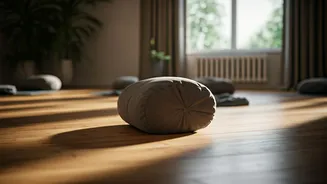
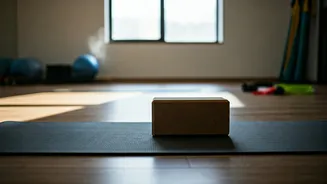
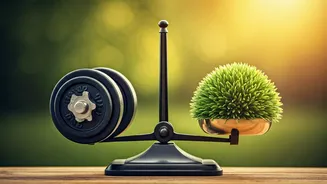
Yin Yoga isn’t meant to replace your spin class, weightlifting routine, or power yoga flow. It’s the missing piece, the perfect counterbalance to our culture of intensity. Athletes use it to improve recovery and prevent injury. Office workers use it to undo the damage of sitting for eight hours a day. Anyone grappling with stress or anxiety can use it to quiet their mind and regulate their nervous system. The beauty of Yin is its accessibility. You don’t need to be flexible or strong to start. The practice meets you where you are, using props like blocks, bolsters, and blankets to support your body so you can truly let go. It’s a quiet, personal journey inward, reminding us that sometimes the most powerful action we can take is to become completely, intentionally still.