






The Street-Level Sizzle
For centuries, the heart of Old Delhi has been its markets. Places like Chandni Chowk and Chawri Bazar are not just commercial centers; they are living, breathing ecosystems of history, culture, and cuisine. A chaotic, beautiful symphony of rickshaws,
haggling vendors, and the scent of sizzling samosas fills the air. But as climate change intensifies, Delhi's infamous summer heat—routinely soaring past 105°F from May to July—is transforming this vibrant street life into a brutal test of endurance. During the sweltering midday hours, foot traffic dwindles. Shoppers retreat, and vendors who can't afford to close up shop are left to battle the oppressive conditions. The very thing that makes these markets magical—their open, sprawling, street-level energy—becomes their greatest liability.
A Vertical Escape
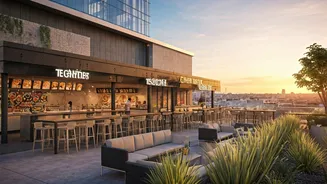
The solution, it turns out, is to go vertical. A new trend is reshaping the commercial landscape of these historic areas. Instead of trying to fight the heat on the ground, developers and entrepreneurs are creating modern oases on the floors above. This isn't about literally moving the entire bazaar to the third floor. Rather, it's the strategic development of new, purpose-built food destinations that sit atop the old world. A prime example is the Omaxe Chowk, a massive, multi-level development next to Chandni Chowk. On its top floor sits 'Dawat-e-Dilli,' a sprawling, air-conditioned food court that hosts legacy street food vendors alongside modern brands. It offers a curated, comfortable, and climate-controlled version of the street food experience, just a few stories above the sweltering lanes it draws inspiration from.
Old World Charm, New World Comfort
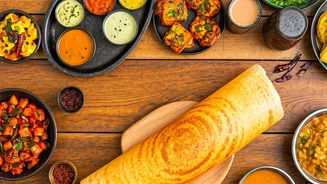
This move upstairs is creating a fascinating dynamic of old-meets-new. From the rooftops, you can gaze down at the tangled wires and historic facades of the 400-year-old city. But inside, you're in a space that feels distinctly 21st-century. These new elevated food courts and rooftop restaurants offer cleanliness, comfortable seating, and—most importantly—a powerful blast of AC. For a growing segment of Delhi's population, particularly younger generations and tourists, this trade-off is more than welcome. They can savor the iconic tastes of Old Delhi—the chaat, the kulfi, the kebabs—without the grit, sweat, and jostling that traditionally came with it. It’s the city’s heritage, repackaged for modern sensibilities and a hotter planet.
A Glimpse of the Future
While some purists might argue that these sanitized spaces lose the 'authentic' soul of the street, this trend is about more than just comfort. It's a powerful example of climate adaptation in action. In a megacity projected to face even more extreme heat waves, finding ways to maintain public life and commerce is a matter of survival. The vertical market isn't a rejection of the street; it's a pragmatic supplement to it. These rooftop havens allow business to continue and people to gather when the ground level becomes inhospitable. They represent a savvy business move, capitalizing on the demand for comfort, and a necessary urban evolution, ensuring that Delhi’s legendary food culture can continue to thrive, no matter how high the mercury climbs.