
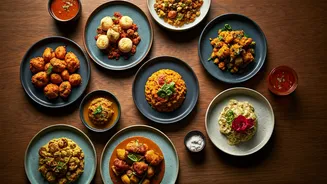


The Reign of Tikka Masala
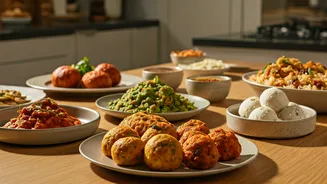
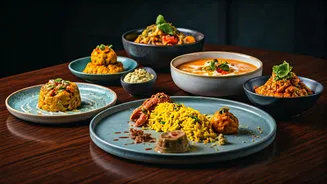
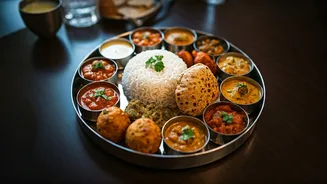
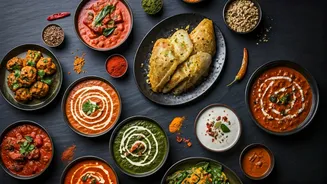
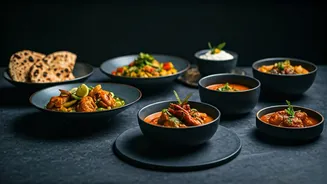
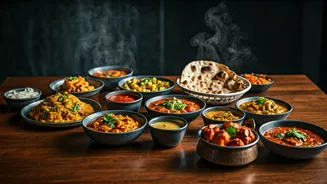
Let’s be honest: when you thought of going out for Indian food, you were likely picturing a specific menu. Chicken tikka masala, saag paneer, malai kofta, and lamb vindaloo, all served with heaps of basmati rice and pillowy garlic naan. This is the food that
introduced millions of Americans to the subcontinent's flavors, and it’s delicious for a reason. Mostly derived from North Indian Punjabi and Mughlai cuisines, these dishes are rich with ghee (clarified butter), cream, and nuts. They were adapted for Western palates and became the de facto ambassadors of Indian cooking in the U.S. for generations. This style of food, often found in regal-looking dining rooms, established a foothold and, for many, became the entire definition of 'Indian food.' There was nothing wrong with it—it paved the way for everything to come—but it was never the whole story.
A New Generation Fires Up the Tandoor
The shift away from this model is being driven by a new guard of Indian-American chefs and restaurateurs. Many are second-generation immigrants who grew up eating distinctly regional, often much lighter, home cooking that looked nothing like what was served in restaurants. They saw a disconnect between the vibrant, diverse food of their heritage and the monolithic, cream-based menu offered to the American public. This generation is no longer just trying to assimilate or offer a safe, Anglicized version of their cuisine. Instead, they are cooking with confidence, eager to showcase the incredible diversity of India’s 28 states. They’re asking: why not present the food exactly as it’s made in a Kolkata market, a Goan beach shack, or a Chennai home kitchen? This culinary confidence, combined with a more adventurous American diner, has created the perfect storm for change.
What 'Lighter' Really Means
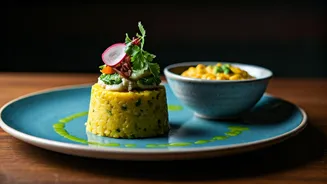
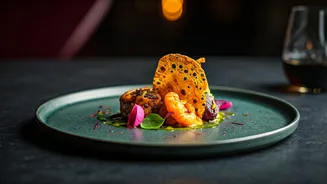
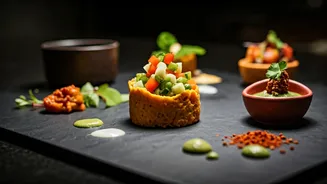
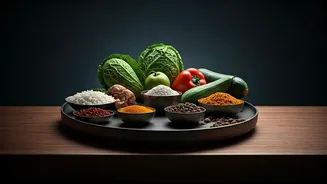
When we say Indian food is getting “lighter,” it’s crucial to understand this doesn’t mean bland, diet-friendly, or less flavorful. In fact, it’s often the opposite. 'Lighter' means a shift in techniques and ingredients. Instead of relying on a base of cream or ground cashews for richness, chefs are using yogurt, coconut milk, or simply the natural textures of vegetables. They’re exploring cooking methods beyond the slow-simmered curry, embracing grilling, stir-frying, steaming, and fermenting. The 'heaviness' is being replaced by acidity from tamarind and kokum, herbaceous notes from fresh cilantro and mint, and the sharp heat of regional chiles. Fat is still present, but it might be a mustard oil tempering or a drizzle of coconut oil, used for its specific flavor rather than just for richness. The result is food that feels more dynamic and vibrant on the palate, where individual spices and ingredients can be tasted more clearly.
Beyond Butter Chicken
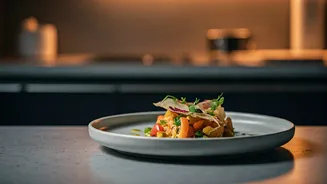
So what does this look like on a menu? It looks like the food of regions that were previously ignored. You might see coastal specialties from Kerala, featuring fresh seafood in tangy, coconut-based sauces. Or perhaps you'll find Bengali dishes, known for their delicate balance of sweet and savory and their use of mustard. You could encounter the fiery, funky, and unapologetically bold dishes of an eatery like New York’s Dhamaka, which spotlights the “unusual” food of rural India. It also means a greater emphasis on vegetables, not just as a side or an afterthought for vegetarians, but as the star of the show. You’ll find dishes celebrating humble gourds, seasonal greens, and complexly spiced lentils (dal) that are a universe away from the one-note “dal makhani” many are used to. It's a move from generalization to specificity, and it’s making the American Indian food scene more exciting than ever.