


The Soul of a Complete Meal
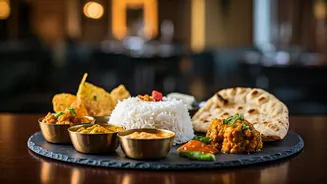
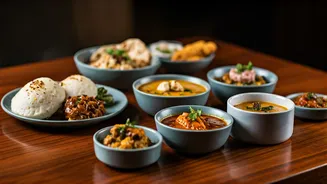
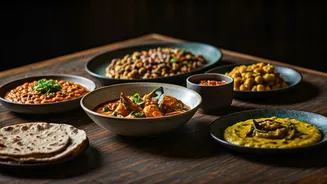
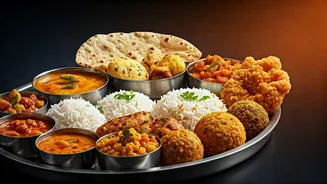
Before you can appreciate the twist, you have to understand the classic. A thali (Hindi for “plate”) is more than just an assortment of food; it’s a balanced culinary philosophy served on a platter. Traditionally, a round tray is arrayed with a collection
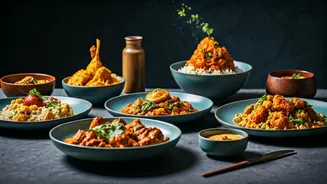
of small metal bowls called katoris, each holding a different preparation. The goal is to hit all six tastes of Ayurveda: sweet, salty, sour, pungent, bitter, and astringent. A typical vegetarian thali might feature a dal (lentil stew), a couple of seasonal vegetable dishes (sabzis), a cooling raita (yogurt dip), a sharp pickle, a crisp papadum, and a small dessert. At the center of it all lies a mound of rice and a stack of warm roti or chapati for scooping. It’s a feast for one, representing the diversity of a region’s cuisine in a single, satisfying sitting. It is comfort, abundance, and balance, all at once.
The Delicious Reinvention
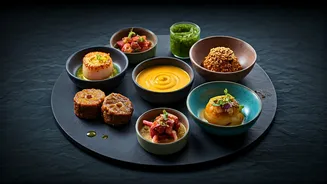
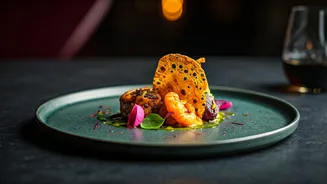
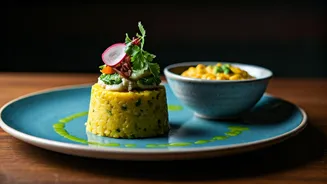
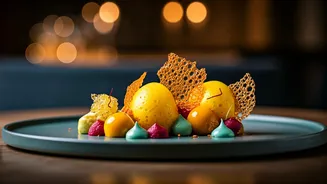
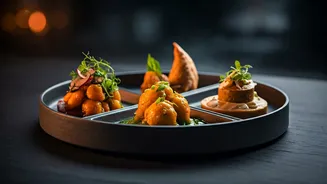
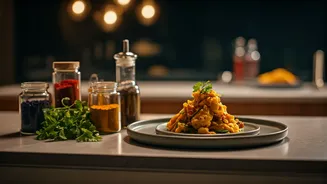
So how do you reinvent something so complete? With creativity and confidence. Across the U.S., innovative chefs are deconstructing the thali and rebuilding it with a contemporary sensibility. This isn't about throwing out tradition, but reinterpreting it for a new palate. You might see a thali where the classic potato sabzi is replaced with truffled potato foam, or where the humble lentil dal is infused with smoked paprika. Some chefs are swapping traditional grains for quinoa or farro. Others are building entire thalis around a single theme, like a coastal seafood platter with grilled fish, coconut-based curries, and tangy marinades, all arranged with the artistic precision of a fine-dining tasting menu. The round metal tray might be replaced by a sleek slate board or a custom ceramic plate. The core idea of variety and balance remains, but the execution is unapologetically modern, designed to surprise and delight.
More Than Just a Food Trend
This evolution is about more than just culinary experimentation; it’s a story of cultural confidence. For decades, Indian food in America was often stereotyped as a cheap buffet affair. The modern thali movement is a direct challenge to that notion. It’s driven by a new generation of Indian-American chefs who grew up with these flavors but are also trained in global culinary techniques. They have a deep respect for their heritage but aren't afraid to break the rules. By presenting the thali in a high-end context, they are asserting that Indian cuisine is as complex, sophisticated, and worthy of innovation as French or Japanese. This isn't fusion for fusion’s sake; it’s a thoughtful conversation between the past and the present, proving that tradition can be a launching pad for creativity, not a restriction.
From Home-Style Staple to Dining Star
The thali's journey mirrors the broader story of immigrant cuisine in America. What starts as a home-cooked meal, shared within a community, eventually finds its way into neighborhood restaurants. For a long time, that’s where the thali mostly lived—as an authentic, regional specialty for those in the know. Today, its appearance on the menus of ambitious, nationally recognized restaurants marks a new chapter. It signals that the cuisine has achieved a level of mainstream recognition where it can be both celebrated for its classic form and playfully reimagined. Diners are no longer just looking for an “authentic” experience; they are seeking out a chef's unique point of view. The modern thali offers just that—a taste of tradition, filtered through a creative, contemporary, and distinctly American lens.