






Beyond the Buzz: What Is Gut Health?
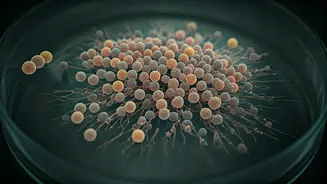
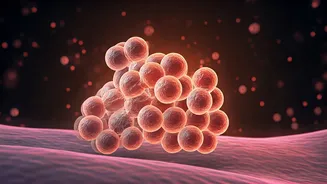
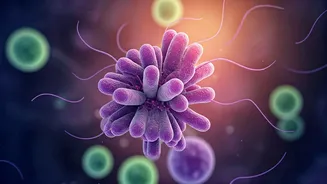
At its core, “gut health” refers to the balance of microorganisms living in your digestive tract. Think of your gut as a bustling city populated by trillions of microbes—bacteria, fungi, and viruses—collectively known as the gut microbiome. For years,
we thought of bacteria as universally bad, but science now shows that a diverse and balanced microbiome is crucial for your overall well-being. These tiny organisms do more than just help you digest food. They play a vital role in synthesizing essential vitamins, regulating your immune system, and even communicating with your brain. This gut-brain axis is a hot area of research, with studies exploring links between gut health and everything from mood and mental clarity to skin conditions and immune responses. When this delicate ecosystem is out of balance—a state called dysbiosis—it can contribute to a range of issues, which is why nurturing it has become so important.
Why the Sudden Spotlight?
Gut health isn’t new, but its recent surge in popularity is thanks to a perfect storm of factors. First, scientific research has accelerated, giving us a clearer picture of the microbiome's importance and making the topic more credible. Second, the broader wellness movement has shifted toward a more holistic view of health, where internal balance is seen as the foundation for external vitality. Finally, the market has responded with an explosion of consumer-friendly products. Probiotic yogurts, kefir drinks, and beautifully packaged supplements have made the concept of tending to your gut accessible and even trendy. It’s no longer a clinical issue discussed behind closed doors; it’s a proactive part of a modern, healthy lifestyle.
Tip 1: Diversify Your Plate
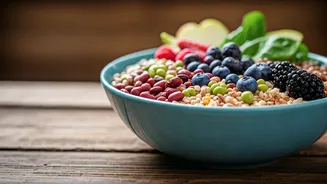
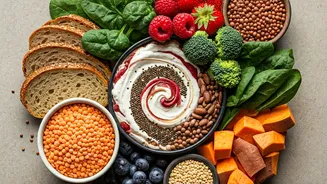
The single best thing you can do for your gut is to eat a wide variety of plant-based foods. Different microbes thrive on different types of fiber, so the more diverse your diet, the more diverse your microbiome. Aim to “eat the rainbow” not just for vitamins, but for prebiotic fiber—the fuel that feeds your good gut bacteria. Don’t get overwhelmed by trying to eat 30 different plants a week, a benchmark some experts suggest. Start small. If you usually eat broccoli, try adding cauliflower or Brussels sprouts. If you like apples, add some berries or a pear. Simple swaps and additions like tossing a handful of spinach into a smoothie, sprinkling seeds on your oatmeal, or choosing mixed greens for your salad can make a big difference over time.
Tip 2: Embrace Fermented Foods
Fermented foods are a natural source of probiotics—the live beneficial bacteria themselves. While supplements have their place, incorporating probiotic-rich foods into your diet is a fantastic way to introduce new, helpful microbes to your gut city. Think of it as sending in reinforcements. Great options include plain yogurt with live active cultures, kefir (a fermented milk drink), sauerkraut (unpasteurized is best), kimchi, miso, and kombucha. You don’t need to consume huge quantities. A small serving of yogurt for breakfast, a side of kimchi with your rice bowl, or a splash of kefir in a smoothie are all easy ways to get a daily dose.
Tip 3: Look Beyond Your Diet
A happy gut isn't just about what you eat; it’s connected to your entire lifestyle. Chronic stress, for example, can negatively impact your microbiome. Finding healthy ways to manage stress, whether through meditation, gentle exercise, or simply getting outside, can have a positive ripple effect on your digestive health. Similarly, poor sleep can throw your gut off balance. Prioritizing a consistent sleep schedule of 7-9 hours per night gives your body, including your gut, the time it needs to rest and repair. Regular physical activity has also been shown to promote a more diverse and robust microbiome, so even a daily walk contributes to your gut health goals.