
Redefine Your Idea of Dinner
The first step to embracing pantry cooking is to let go of the pressure for every meal to be a perfectly balanced, multi-course production. A successful weeknight dinner is simply one that gets made and enjoyed. Pantry cooking thrives on this principle.
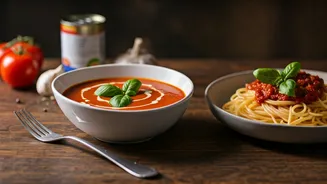
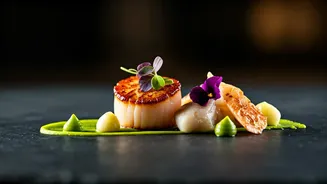
It’s about giving yourself permission to serve a hearty bowl of pasta with garlic, olive oil, and a sprinkle of red pepper flakes. It’s about understanding that a skillet of black beans and rice topped with a fried egg and hot sauce is a complete, satisfying meal. When you release the need for every dinner to be an Instagram-worthy masterpiece, you unlock the freedom and creativity that makes cooking from your pantry so liberating. Think of it less as a compromise and more as a confident embrace of delicious simplicity.
Treat Your Pantry as a System, Not a Graveyard
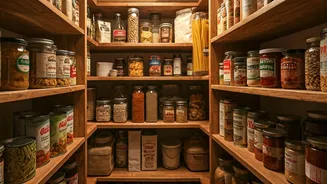
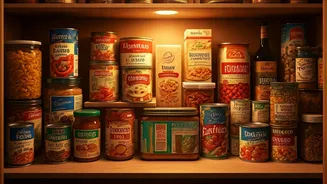
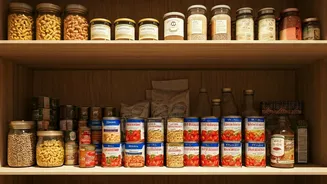
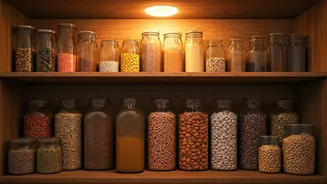
Too often, the pantry becomes a chaotic storage unit for impulse buys and half-used bags of obscure grains. A stress-free pantry is different; it's a curated system. Instead of thinking recipe-first (“I need to buy ingredients for this specific dish”), you start thinking component-first (“What building blocks do I have?”). Your pantry should be organized into categories that make sense to you: grains and pasta, beans and legumes, canned tomatoes and vegetables, sauces and pastes, and flavor boosters. The goal is to be able to open the doors and see not just individual items, but potential combinations. A can of chickpeas isn't just a can of chickpeas; it's the foundation for a curry, a topping for a salad, or the main ingredient for a quick, homemade hummus.
Stock Your Flavor Foundation
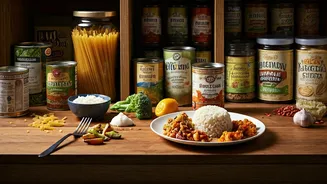
A great pantry isn't about having everything; it's about having the right things. Focus on stocking a versatile “flavor foundation” that can steer a meal in any direction you choose. Think in five key categories: 1. **Grains & Legumes:** Pasta, rice, quinoa, canned beans (black, cannellini, chickpea), and lentils are the workhorses that provide substance. 2. **Canned Goods:** Diced tomatoes are non-negotiable. Add full-fat coconut milk (for curries and soups), and some tuna or salmon for instant protein. 3. **Acids & Fats:** Good olive oil is a must. Also, have a neutral oil for high-heat cooking and a variety of vinegars (balsamic, red wine, apple cider) to brighten up any dish. 4. **Aromatics:** Long-lasting items like onions, garlic, and shallots are the base of countless meals. Keep them in a cool, dark place. 5. **Umami & Spice:** This is where the magic happens. Soy sauce, tomato paste, anchovies (or paste), Dijon mustard, and a collection of your favorite dried spices can transform bland ingredients into something deeply flavorful.
Master the 'Pantry Pull' Technique
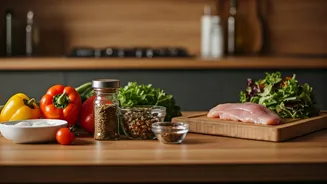
The “pantry pull” is a simple, low-stakes alternative to rigid meal planning. At the beginning of the week (or whenever you have a moment), simply “pull” two or three items from your pantry and place them on your counter. This could be a can of white beans, a jar of sun-dried tomatoes, and a bag of pasta. This act of pulling them into your immediate view serves as a mental cue. It doesn't lock you into a specific recipe, but it plants a seed. Now, throughout the week, your brain will subconsciously work on those ingredients. When Tuesday night rolls around and you’re feeling uninspired, you’ll see the items and think, “Right, I can make a simple white bean and tomato pasta.” It eliminates decision fatigue by narrowing your options in a helpful, non-restrictive way.