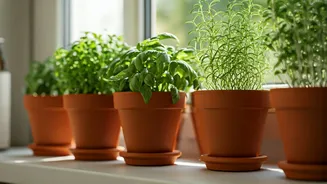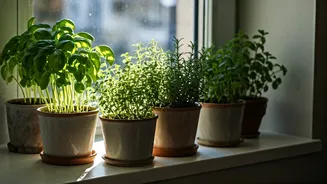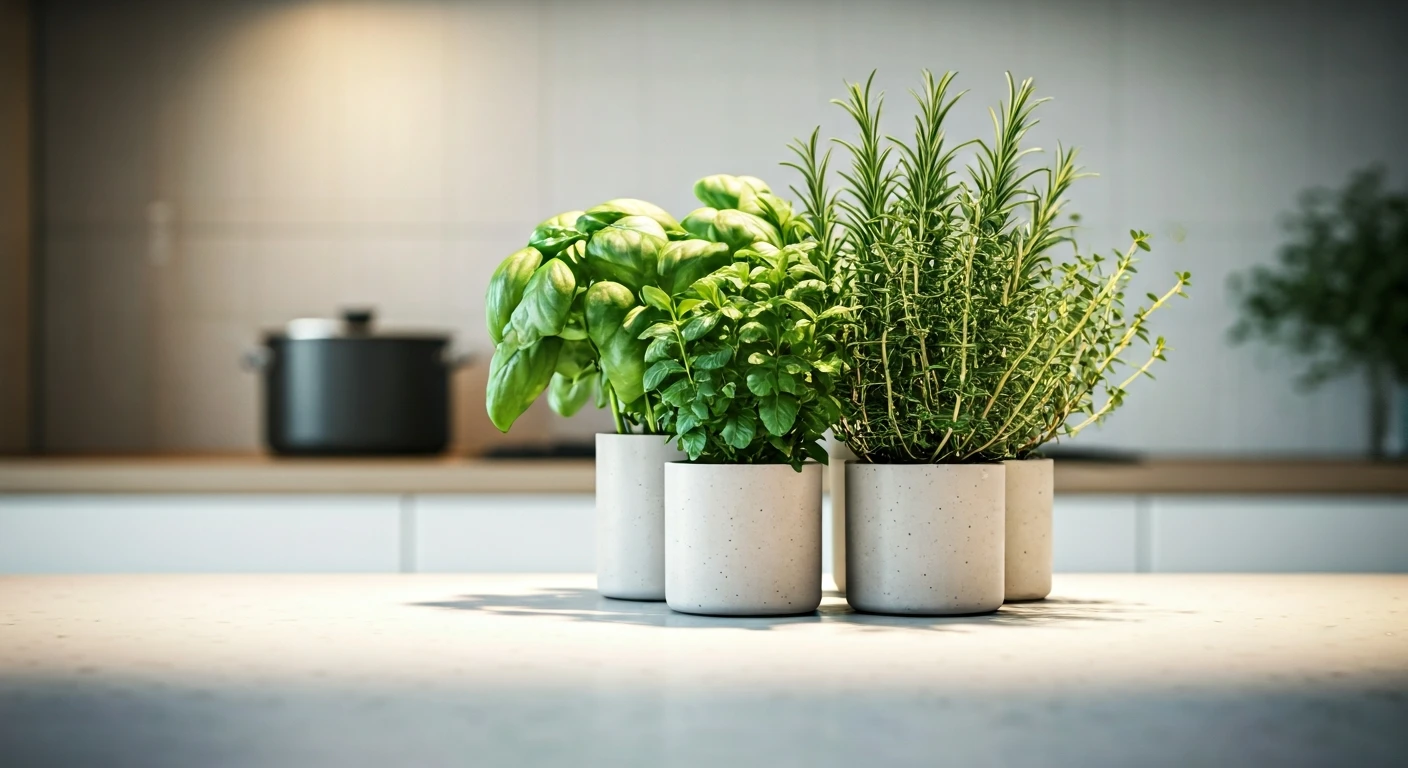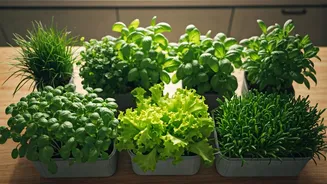



Why Herbs are a Small-Space Game Changer
Before we get to the plants, let's talk about the payoff. Why bother with soil when the grocery store is right there? First, flavor. The difference between fresh-cut basil and the stuff from a plastic clamshell is night and day. Second, sustainability.
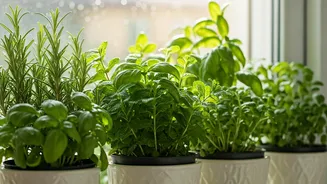
You eliminate food and plastic waste by snipping only what you need. Third, wellness. Tending to plants, even on a tiny scale, is a proven mood booster that brings a touch of nature indoors—a concept known as biophilia. Finally, aesthetics. A row of vibrant green herbs on a windowsill is living decor that’s also edible. It’s a multi-sensory win that asks for very little space in return.
Basil: The Sweet Taste of Summer
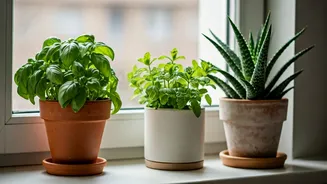
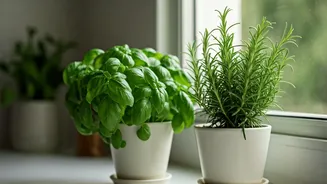
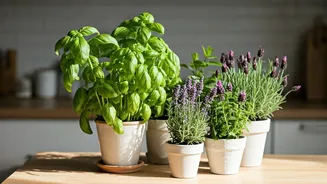
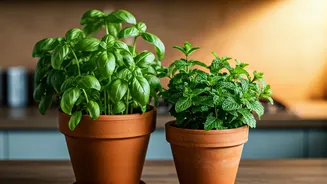
If you could only grow one herb, it might have to be basil. Its sweet, aromatic leaves are the soul of pesto, the perfect partner to tomatoes, and the finishing touch on countless Italian dishes. Basil loves sunshine, so a south-facing window is its happy place. It’s a bit of a drama queen when it comes to water—it prefers consistently moist soil but hates having its roots sit in a puddle. The key to a bushy plant is to harvest correctly: pinch off the top sets of leaves right above a leaf node. This encourages the plant to branch out, giving you more basil for your buck all season long.
Mint: The Prolific Refresher
Mint is almost laughably easy to grow; in fact, the main challenge is stopping it. For this reason, always keep mint in its own container, or it will stage a hostile takeover of your other plants. This vigor is what makes it perfect for beginners. A single plant can supply endless sprigs for mojitos, iced tea, fruit salads, and soothing herbal teas. It’s less fussy about sunlight than basil and can thrive in partial shade. Just keep its soil moist and give it a regular “haircut” to encourage tender new growth. Spearmint is the classic choice, but peppermint and chocolate mint are fun, fragrant alternatives.
Chives: The Subtle, All-Purpose Allium
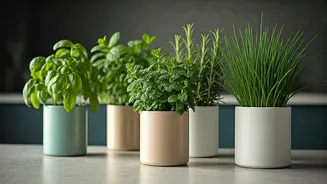
Imagine the delicate flavor of a spring onion, but available on demand. That’s the magic of chives. These grassy, hollow spears are part of the onion family but offer a much milder, fresher kick. They are the ultimate “finishing” herb, perfect for snipping over scrambled eggs, baked potatoes, soups, and salads. Chives are incredibly resilient and follow a “cut-and-come-again” growth pattern. Just snip what you need from the base with scissors, and the plant will quickly regenerate. They thrive in a sunny spot and are quite forgiving if you occasionally forget to water them.
Rosemary: The Aromatic Powerhouse
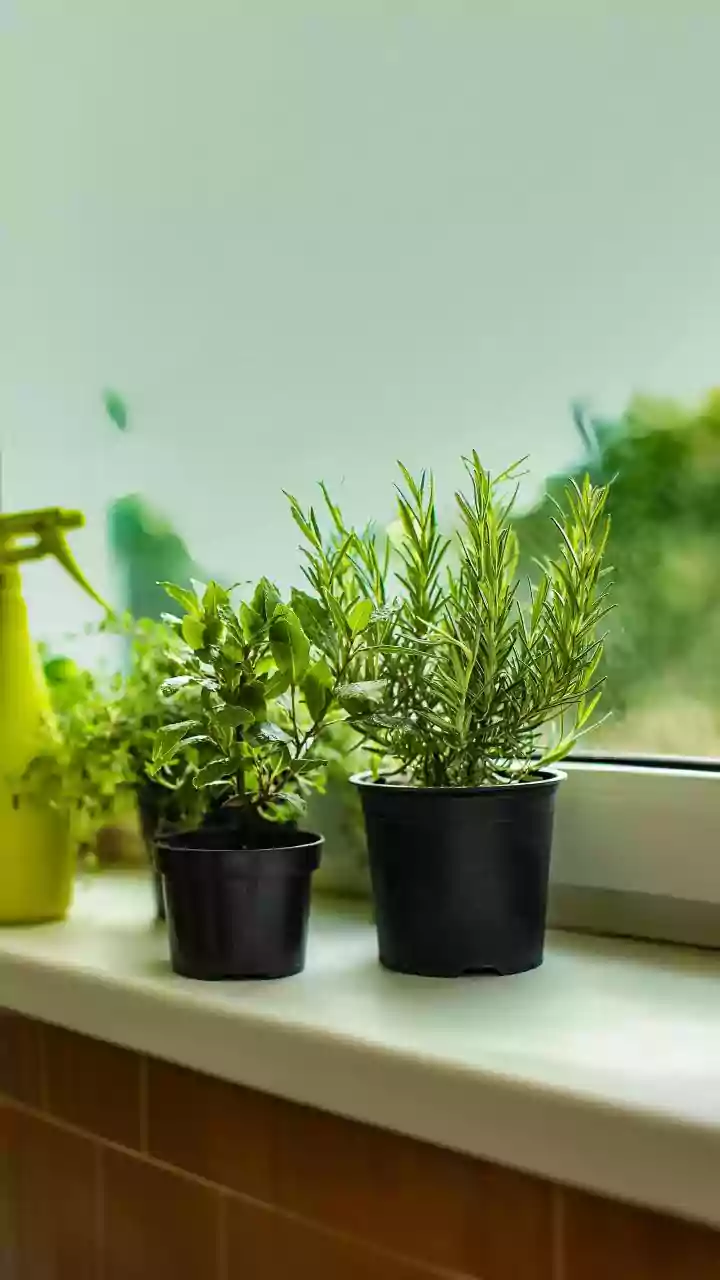
This woody, pine-scented herb brings a touch of the Mediterranean to your kitchen. Rosemary is perfect for flavoring roasted meats, potatoes, and even breads. Its sturdy nature makes it a fantastic culinary tool—a whole sprig can be used as a skewer for grilling or to infuse olive oil. As a Mediterranean native, rosemary loves sun and hates wet feet. It’s drought-tolerant and prefers its soil to dry out completely between waterings, making it a low-maintenance choice for the forgetful plant parent. Plus, simply running your hand over the needles releases an incredible, invigorating aroma.
Your Simple Starter Kit
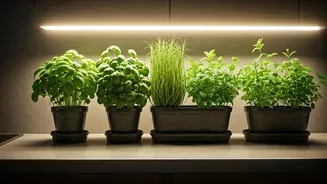
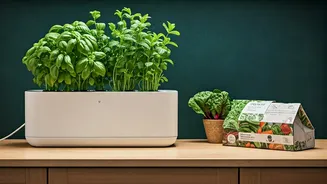
Getting started is simpler and cheaper than you think. You don’t need a fancy hydroponic system. All you need are a few basics: a pot with a drainage hole for each herb (terracotta is great as it helps prevent overwatering), a small bag of all-purpose potting mix, and a sunny spot. Most herbs need at least 4-6 hours of direct sunlight per day, so a south- or west-facing windowsill is ideal. If you lack natural light, a small, affordable LED grow light can easily solve the problem. Start with one or two plants from your local nursery—they’re already established and harder to kill than starting from seed.