






The Golden Age of Guilt
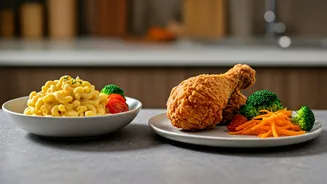
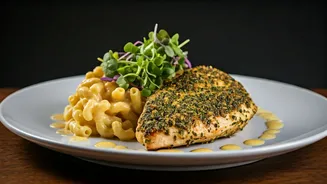
For decades, American comfort food was a glorious, one-note symphony of fat, salt, and sugar. Think of the classics: macaroni and cheese with a Velveeta-powered glow, fried chicken with a crackling crust that defied logic, and mashed potatoes holding
a literal pool of melted butter. This was food as a hug—a heavy, slightly smothering hug you might need to sleep off. Its purpose was pure, unapologetic indulgence. It was the food of celebration, commiseration, and nostalgia, served with a generous side of blissful ignorance about its nutritional fallout. There was no pretense of health. In fact, its very unhealthiness was part of its charm, a decadent rebellion against the everyday.
The Wellness Intervention
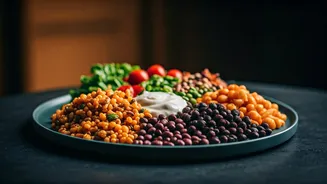
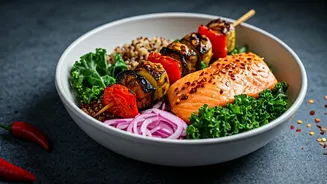
Then came the wellness wave. Suddenly, we weren't just eating; we were fueling. We learned about macronutrients, inflammation, and the gut microbiome. The same grocery aisles that once offered simple choices now presented a dizzying array of dietary philosophies: gluten-free, paleo, keto, plant-based. The old comfort food, with its processed cheese and refined flour, looked less like a hug and more like a saboteur. For a while, it seemed we had to make a choice: cling to the comforting but 'bad' foods of our past or embrace a future of kale smoothies and quinoa bowls that satisfied the body but often left the soul wanting.
Meet the Smart Swaps
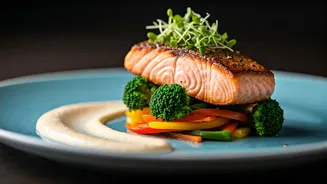
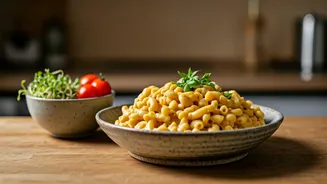
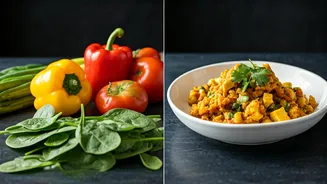
This is where the “smarter” part comes in. The new comfort food isn’t about deprivation; it’s about innovation. It keeps the soul of the dish while upgrading the hardware. That creamy pasta sauce? It’s now made with puréed cashews or white beans, delivering richness without the heavy cream. That deep, cheesy flavor in mac and cheese? It’s amplified with nutritional yeast and a touch of sharp cheddar, giving you more bang for your caloric buck. Veggies have become culinary chameleons. Zucchini ribbons stand in for spaghetti, cauliflower gets riced for stir-fries or blitzed into a surprisingly convincing pizza crust, and sweet potatoes are baked into brownies, adding moisture and nutrients while cutting back on sugar and oil. It’s a culinary sleight-of-hand where the result is so good, you don’t even miss the original.
The Air Fryer Revolution
It’s not just ingredients; it’s our tools. The single greatest hero of the smart comfort food movement might just be the air fryer. This countertop convection oven achieved something magical: it gave us crispy, golden-brown satisfaction without the vat of shimmering oil. Suddenly, French fries, chicken wings, and even breaded mozzarella sticks could be made with a fraction of the fat, delivering that essential crunchy texture we crave. The same goes for high-speed blenders that can turn nuts into cream and frozen bananas into ice cream. This new generation of kitchen technology has closed the gap between 'healthy' and 'delicious,' making it easier than ever for home cooks to replicate their favorite indulgent textures without the traditional methods.
Redefining 'Comfort' Itself
Ultimately, the biggest shift is in our mindset. We’re realizing that true comfort isn’t just about the ten minutes you spend eating; it’s about how you feel an hour later. The old comfort food often came with a physical price: sluggishness, bloating, and a vague sense of guilt. The new, smarter comfort food aims for a more holistic satisfaction. It's food that comforts you during the meal and continues to make you feel good afterward. It's also more inclusive, with plant-based and gluten-free versions ensuring that more people can share in the experience. The comfort is no longer just in the taste, but in the knowledge that you're nourishing yourself, body and soul.