
The Crunchy, Tangy, Sweet-and-Sour Party
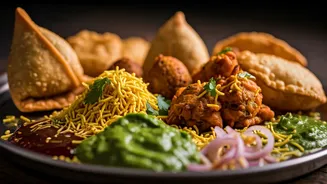
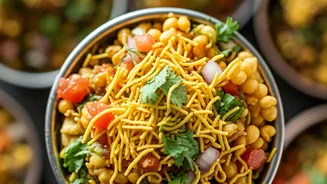
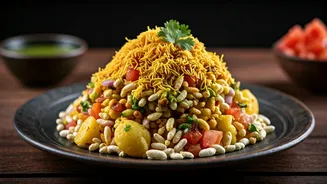
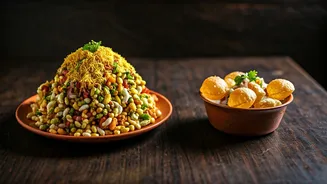
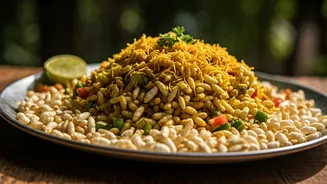
First, let’s get you acquainted with bhel puri. Imagine a food that’s a riot of textures and flavors all at once. At its heart, bhel puri is a mix of puffed rice—light and airy like an unsweetened breakfast cereal—and sev, which are crunchy, thread-thin
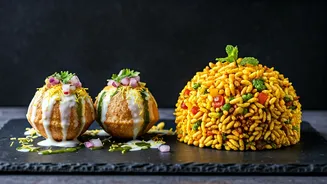
noodles made from chickpea flour. To this base, vendors add finely chopped red onion, boiled potatoes, and sometimes peanuts or pomegranate seeds. But the magic happens when the chutneys are poured over: a sweet-and-sour tamarind chutney and a zesty, bright green cilantro-mint chutney. It’s all tossed together moments before it’s served, so the puffed rice stays crisp against the wet sauces. Every spoonful is a new adventure: crunchy, soft, sweet, tangy, and savory. It’s not a sit-down, knife-and-fork affair; it’s a vibrant, delicious mess that’s meant to be eaten immediately and enthusiastically.
The Cool, Creamy, Burst-in-Your-Mouth Bite
Now meet its cousin, dahi puri. If bhel puri is a sprawling party in a bowl, dahi puri is a perfectly contained explosion of joy. It starts with small, hollow, crispy shells called puri. Each one is carefully cracked open at the top and filled with a savory mixture of potato, chickpeas, and spices. Then comes the star of the show: dahi, a cool, lightly sweetened yogurt, is generously spooned over the top. It’s finished with the same tamarind and cilantro chutneys, a sprinkle of chili powder, and a shower of that crispy sev. Unlike bhel, this is a one-bite masterpiece. You pop the entire thing in your mouth, and the shell shatters, releasing a wave of cool yogurt, savory filling, and sweet-tangy sauces. It’s a sensory overload in the best possible way—the ultimate contrast of cool and spicy, creamy and crunchy.
So, What Are the 'Vibes'?
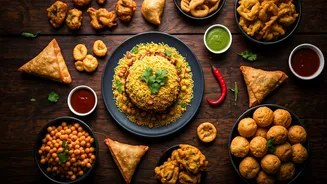
This is the most important part. Bhel puri and dahi puri belong to a category of Indian snacks called 'chaat.' The word itself roughly translates to 'to lick' or 'to taste,' but the meaning is so much deeper. Chaat is the soul of Indian street food culture. The 'vibes' are about informality, community, and sensory delight. This isn’t food you order for a quiet dinner. It’s what you grab with friends after work, what you eat standing at a bustling street cart, what you share during a festival. The vibe is fast, fresh, and social. It’s about the clatter of the steel bowls, the speed of the vendor’s hands as they assemble your order, and the shared experience of a flavor bomb that costs just a few dollars. It’s the antithesis of sterile, pre-packaged food; it’s alive, dynamic, and made for the moment.
Why Is This Happening Now?
For years, American understanding of Indian food was often limited to a handful of Northern Indian dishes like chicken tikka masala and naan. But that’s changing, fast. A new generation of Indian American chefs and entrepreneurs are proudly bringing the vibrant, regional flavors they grew up with to the forefront. Simultaneously, American palates have become more adventurous, seeking authenticity and complex flavor profiles beyond just heat. Chaat is perfectly positioned for this moment. It’s visually stunning, making it an Instagram and TikTok darling. It’s also incredibly adaptable, with vegan and gluten-free variations easily available. More than anything, in a world of ghost kitchens and solitary delivery app orders, the communal, high-energy experience of eating chaat feels like a joyful rebellion—a return to food that’s meant to be shared and savored in the moment.