




The Wisdom of a Summer Diet
When a heatwave descends upon India, daily life changes. Schools close, work hours shift, and streets empty during the scorching midday sun. But one of the most profound adaptations is culinary. Across the country, kitchens turn to a time-tested playbook
of foods designed to cool the body from the inside out. This isn't a new wellness trend; it's a centuries-old survival strategy rooted in Ayurvedic principles and local knowledge. The core idea is simple: what you eat can either add to your body's heat load or help you dissipate it. During summer, the focus shifts dramatically from the heavy, warming dishes of winter to plates that are light, hydrating, and cooling.
Hydration Beyond Water
In extreme heat, drinking plain water is essential, but it's often not enough to combat the severe dehydration caused by constant sweating, which depletes the body of vital salts and minerals. This is where India's array of summer drinks comes in. Yogurt-based beverages like lassi (sweet or salty) and chaas (spiced buttermilk) are staples. They not only rehydrate but also provide probiotics, protein, and electrolytes. Another hero is 'aam panna,' a tangy, sweet-and-sour drink made from boiled raw green mangoes, cumin, and mint. It’s specifically prized for its ability to prevent heat stroke by replenishing sodium and iron lost through sweat. These drinks aren't just refreshing treats; they are functional, medicinal tonics that form the first line of defense against the heat.
The Cooling Power of Produce
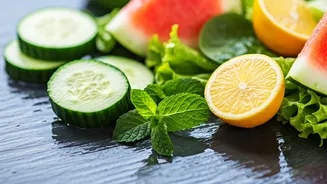
The phrase "eat your water" becomes a mantra in Indian summers. Plates fill with vegetables and fruits that have high water content. Cucumbers, which are over 95% water, are ubiquitous—sliced with a sprinkle of salt, blended into raita (a yogurt dip), or simply eaten whole. Melons, from watermelon to muskmelon, are sold at roadside stalls, offering instant, juicy relief. Ayurvedic tradition classifies these foods as "cooling," believing they help pacify 'pitta,' the body's fire element, which is naturally aggravated by the hot weather. While the terminology is ancient, the science holds up: water-rich foods help maintain hydration and require less energy to digest, placing less metabolic stress on an already-strained system.
Light Grains and Leaner Fare
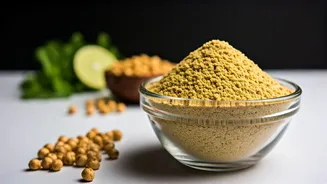
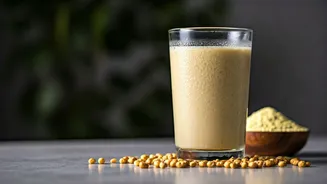
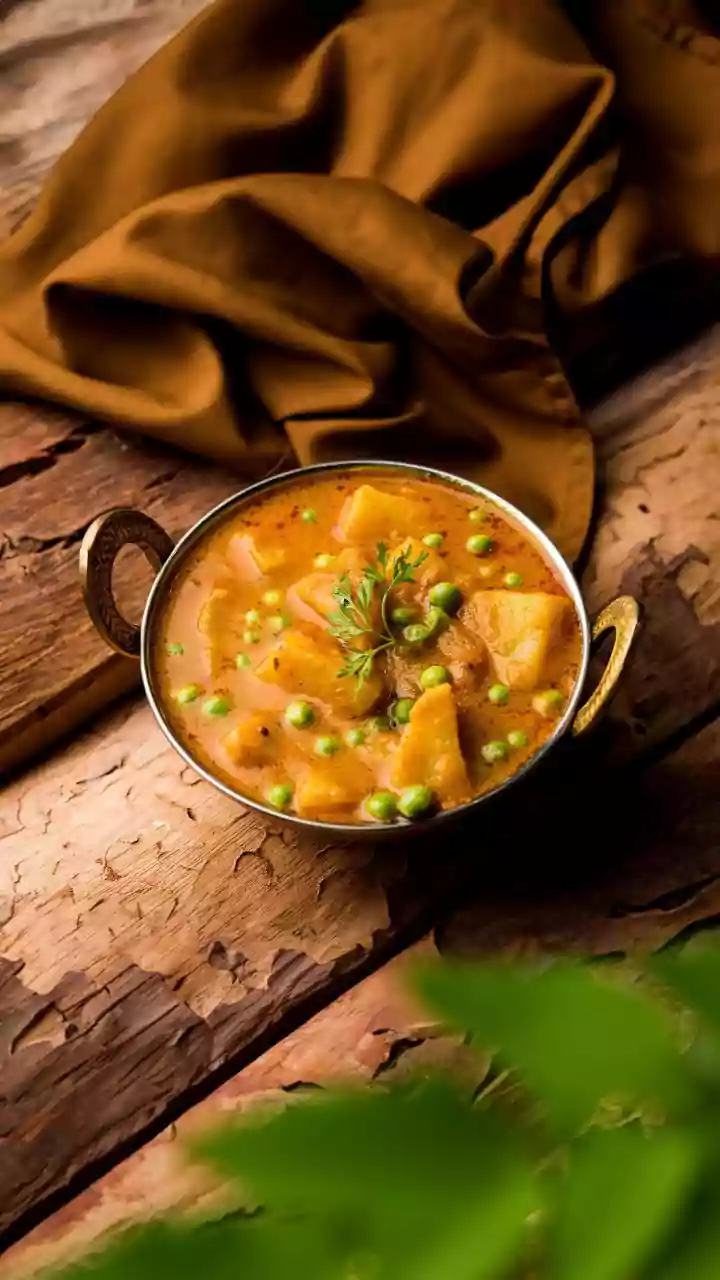
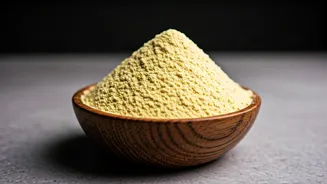
Heavy meals loaded with fats, spices, and red meat are largely avoided. Digesting these foods generates more internal heat, a phenomenon known as the thermic effect of food. Instead, diets pivot to lighter fare. In states like Bihar and Uttar Pradesh, 'sattu'—a flour made from roasted chickpeas—is a superfood. Mixed with water, salt, and lemon, it becomes a nutritious, protein-rich slurry that provides sustained energy without weighing the body down. Rice, lentils (dal), and simple vegetable curries replace the rich, creamy gravies of colder months. The goal is to nourish without overburdening, keeping the body’s internal furnace on a low simmer.
A Lesson in Climate Resilience
For an American audience accustomed to blasting the AC and grabbing an iced coffee, India's culinary approach to heat offers a powerful lesson in sustainable adaptation. It’s a low-tech, low-carbon, and highly effective system for building resilience that is woven into the cultural fabric. As climate change makes extreme heat events more common and intense globally, this ancient wisdom feels more relevant than ever. These “tropical plates” are more than just a menu; they are a blueprint for how a society can live in harmony with its climate, using generations of knowledge to not just survive, but thrive, through the heat.