




From Hospitality to Emotional Support
For decades, the definition of a great hotel stay was straightforward: a comfortable bed, a clean room, and maybe a tiny bottle of mediocre shampoo. Luxury was defined by thread counts, marble bathrooms, and obsequious service. But in an age of pervasive
anxiety, burnout, and digital overload, travelers are checking in with more than just luggage. They’re bringing their stress with them, and the smartest hotel brands have taken notice. This isn't just about fluffing pillows; it's a fundamental shift in the value proposition. Hotels are moving from the business of hospitality to the business of well-being. They are betting that the ultimate luxury isn't a bigger television, but a quieter mind. This strategic pivot acknowledges a simple truth about modern life: a truly restorative experience is worth more than gold-plated faucets.
The Architecture of 'Aaaah'
The feeling of calm begins the moment you walk through the door, and it’s no accident. Hoteliers are embracing biophilic design, an architectural approach centered on connecting people with nature. This goes far beyond a sad-looking potted plant in the corner. Think living walls of lush greenery, lobbies flooded with natural light, and the abundant use of natural materials like wood and stone. The goal is to create an environment that instinctively lowers your heart rate. Sound is also a key component. Instead of the jarring noise of a busy street, you might hear curated soundscapes of gentle rain or distant birdsong, or notice acoustical paneling that absorbs harsh echoes. Even scent is being weaponized for wellness. Signature aromatherapy blends—lavender for relaxation, citrus for an uplifting mood—are diffused through ventilation systems, creating a subtle, mood-altering welcome that begins before you even reach the front desk.
Sleep Science on the Room Service Menu
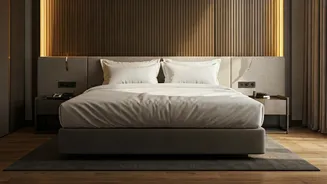
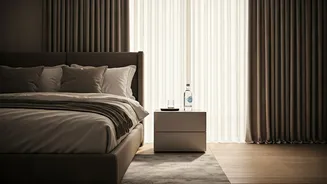
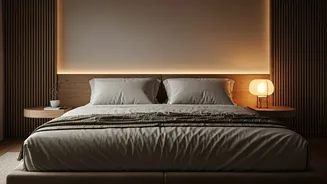
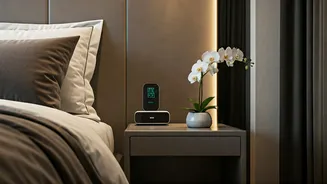
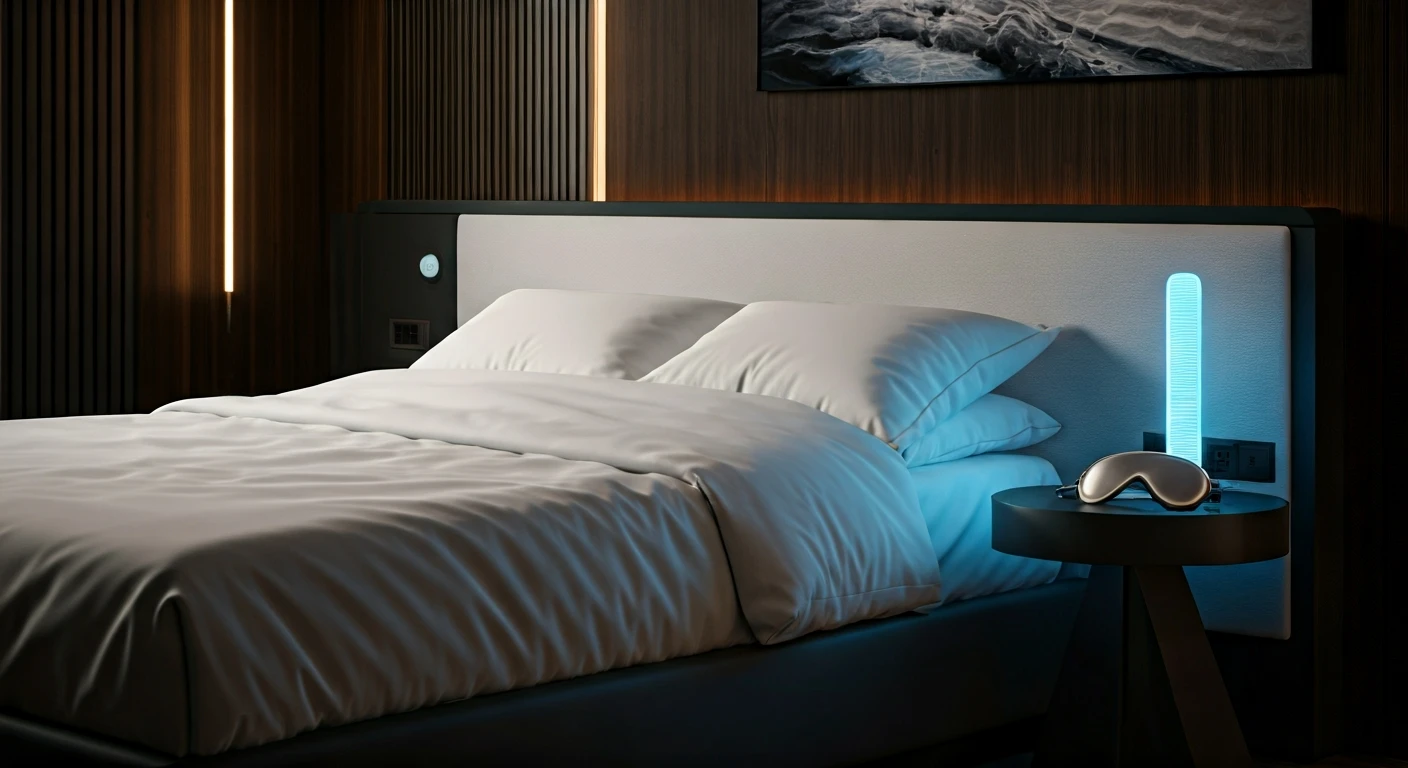
The hotel bedroom is being transformed from a crash pad into a high-tech sleep laboratory. Recognizing that a good night's sleep is the cornerstone of well-being, hotels are investing heavily in slumber-centric amenities. The Westin’s famous ‘Heavenly Bed’ was just the beginning. Today, you might find a ‘pillow menu’ offering options for every type of sleeper—side, back, stomach—with choices ranging from firm memory foam to soft down. Bedside tables feature sunrise-simulating alarm clocks, white noise machines, and complimentary sleep masks. Blackout curtains are now an industry standard. Some forward-thinking properties are even partnering with popular wellness apps like Calm or Headspace, offering guests free premium subscriptions during their stay. Instead of a minibar full of sugar and alcohol, you might find one stocked with CBD-infused drinks, herbal teas, and magnesium supplements to promote relaxation.
The New Amenity is a Quiet Mind
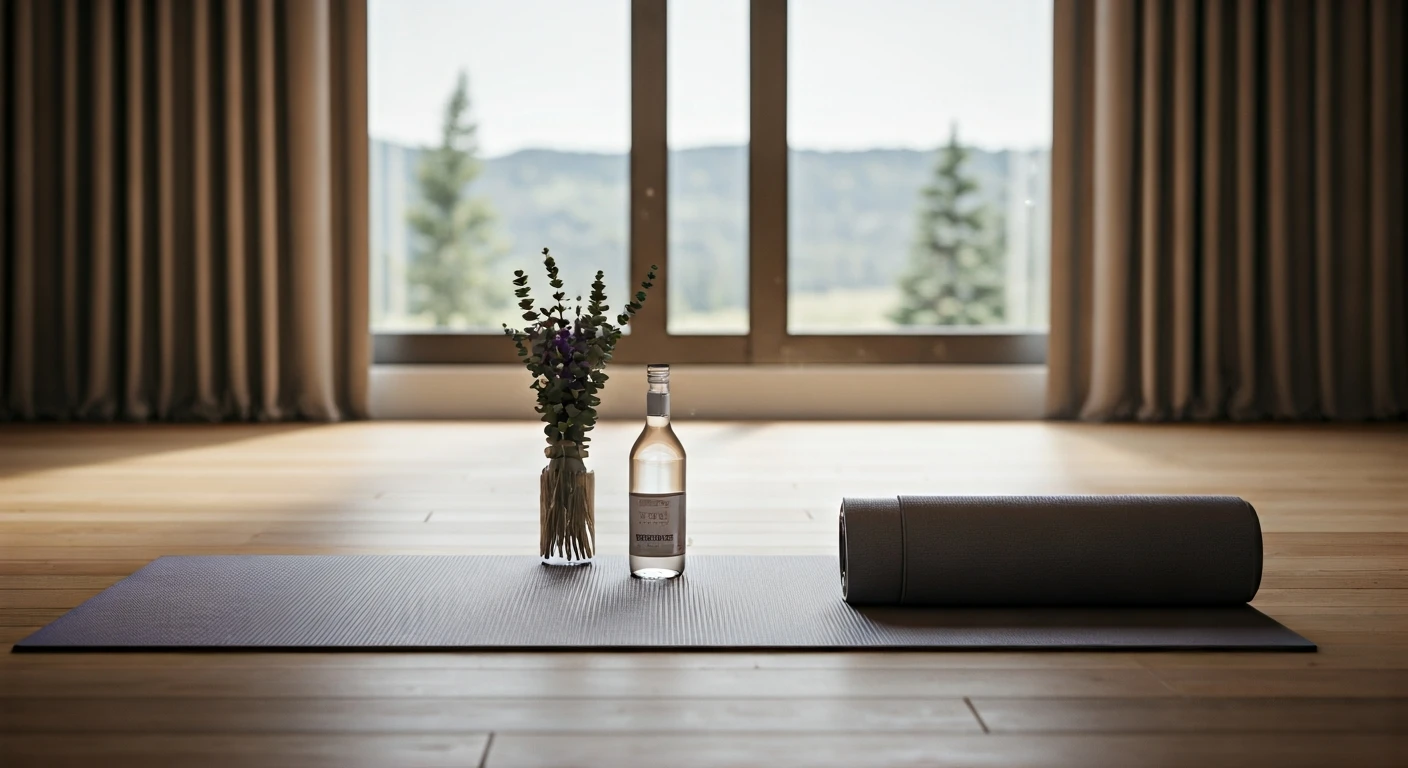
Beyond physical comforts, hotels are now catering directly to guests' mental and emotional states. In-room programming has expanded from pay-per-view movies to guided meditations and yoga flows accessible on the TV. Some hotels are creating designated tech-free zones, encouraging guests to put down their devices and simply be present. Others offer curated experiences designed to foster mindfulness, such as forest bathing excursions, private sound baths, or art therapy classes. The underlying message is that the hotel is not just a base for exploring a city, but a destination in itself—a place to actively disconnect and recharge. This represents a powerful evolution in travel, where the success of a trip is measured not by how much you did, but by how good you feel when you leave.