



First, What and Where Is Lakshadweep?
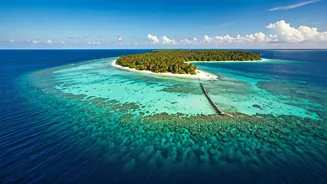
Think of Lakshadweep as India’s answer to the Maldives, a stunning archipelago of 36 coral islands floating in the Arabian Sea. The name itself means 'one hundred thousand islands' in Sanskrit, a nod to its sprawling, untouched beauty. For decades, it was
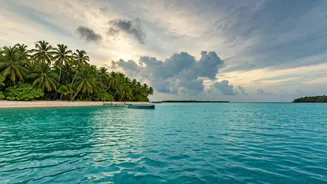
a pristine but hard-to-reach destination, known mostly to dedicated divers and Indian vacationers. But recently, it's stepped into the international spotlight as a quieter, more rustic alternative to other Indian Ocean hotspots. Its main draws are world-class snorkeling and scuba diving among vibrant coral reefs, serene lagoons, and a laid-back vibe that feels a world away from mainland India. Access is still restricted—foreign tourists need special permits—which has helped preserve its unique culture and delicate ecosystem.
The 'Drama' of the Monsoon Season
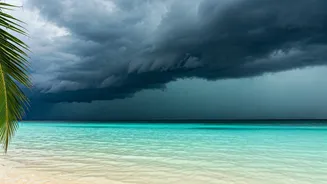
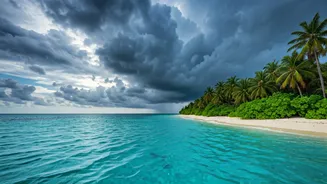
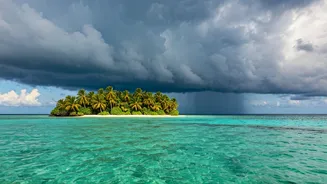
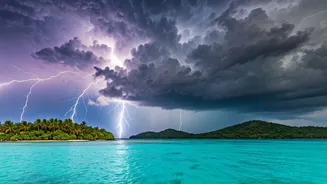
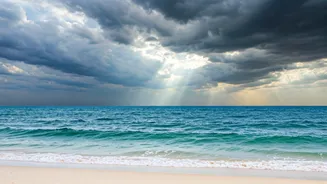
The “drama” in your travel plans comes from a powerful, predictable force of nature: the Southwest Monsoon. From roughly June through September, the Arabian Sea transforms. This isn't just a few afternoon showers. The monsoon brings torrential downpours, sustained high winds, and incredibly rough seas. While the islands themselves are rarely in the direct path of major cyclones, the weather systems make travel to and within the archipelago extremely difficult and sometimes impossible. The calm, glassy waters you see in brochures are replaced by choppy, churning waves. For a destination that relies entirely on sea and air connections, this is a major logistical hurdle. The infrastructure is not built to withstand or operate smoothly through such intense weather, leading to a near-total shutdown of tourism.
How Storms Can Disrupt Paradise
Imagine booking your dream island-hopping trip, only to find yourself stuck. During the monsoon, this is a real possibility. The primary modes of transport—small propeller planes to the main island of Agatti and ferries or private boats between the other islands like Bangaram, Kavaratti, and Kadmat—are the first things to be canceled. Flights are frequently delayed or grounded due to high winds and low visibility. Ferry services, the lifeline connecting the islands, are often suspended for days at a time, leaving travelers stranded on one island or, worse, on the mainland unable to start their vacation. Many resorts and guesthouses either close entirely during these months or operate with skeleton crews and limited amenities. Activities like diving and water sports are off the table due to dangerous sea conditions. It’s less 'romantic storm watching' and more 'indefinite delay with no end in sight.'
The Best Time for a Worry-Free Visit
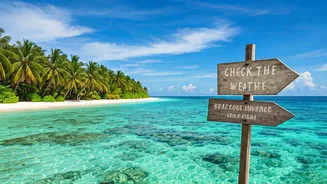
So, when should you go? The answer is clear: stick to the dry season. The ideal window for visiting Lakshadweep is from October to mid-May. During these months, the weather is fantastic—sunny skies, calm seas, and comfortable temperatures perfect for beach lounging and water activities. This is the peak tourist season for a reason. The waters are crystal clear, offering phenomenal visibility for divers and snorkelers who come to see the rich marine life, from sea turtles to colorful coral gardens. All transportation runs on schedule, resorts are fully operational, and the islands are at their most beautiful and accessible. If you want the idyllic experience promised in the travel magazines, booking your trip within this period is non-negotiable.
What if You’re an Off-Season Gambler?
Some travelers are tempted by lower prices or fewer crowds during the 'shoulder seasons' just before and after the monsoon (late May or early October). While you might get lucky with a few clear days, it's a significant gamble. If you decide to risk it, go in with a flexible mindset and a backup plan. First, purchase comprehensive travel insurance that specifically covers trip interruptions and cancellations due to weather. Second, book accommodations that offer flexible cancellation policies. Finally, maintain open communication with your airline and local tour operators. Be prepared for your itinerary to change at a moment's notice. An off-season trip might reward you with solitude, but it demands a level of patience and adaptability that a peak-season visit simply doesn’t.