


The Island Out of Time
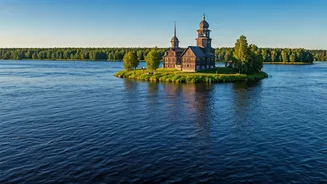
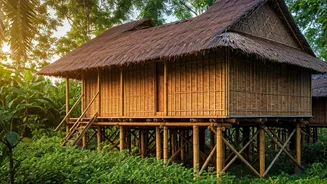
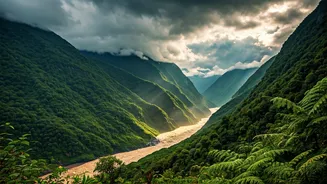
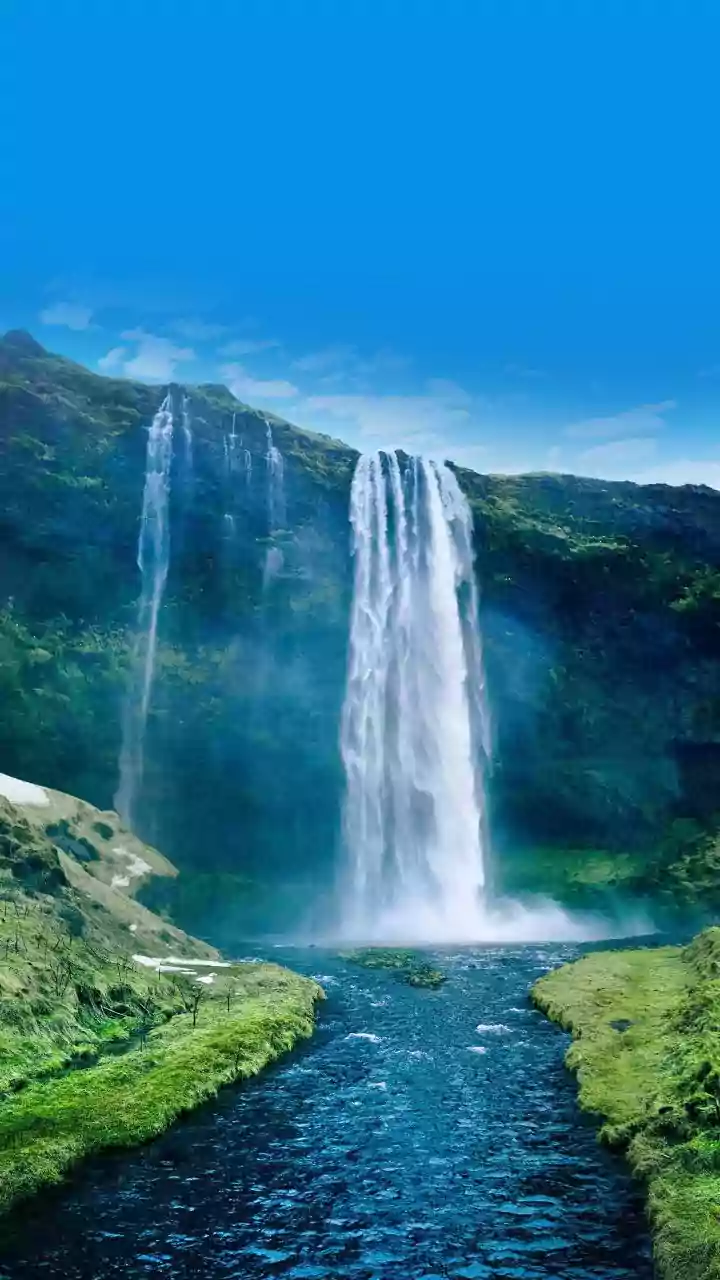
Majuli is not just any island; it's one of the world's largest river islands, a lush, emerald expanse of rice paddies, wetlands, and small villages perched on bamboo stilts. For centuries, it has been the cradle of Neo-Vaishnavite culture in Assam, a form
of Hinduism that emphasizes devotion through art, music, and performance. But this cultural sanctuary is fragile. The same river that created Majuli is slowly consuming it, with constant erosion threatening the land and the unique heritage it holds. This sense of impermanence makes the island’s living traditions feel even more precious, a vibrant repository of history that exists in the present tense, for now.
The Soul of the Sattras
To understand Majuli's art, you must first understand the Sattras. These are not merely monasteries but sprawling institutional centers of art, culture, and learning that have been the heartbeat of the island since the 15th century. Within their walls, monks and devotees preserve a way of life centered on prayer and artistic expression. It is here that young boys are taught classical dance, music, and the intricate crafts passed down through generations. The Sattras are living museums, where spirituality isn't confined to a text but is performed, sung, and sculpted. They are the incubators for the very traditions that make Majuli a destination for cultural pilgrims, not just tourists.
Living Faces of Myth
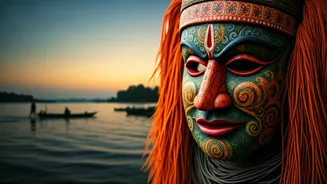
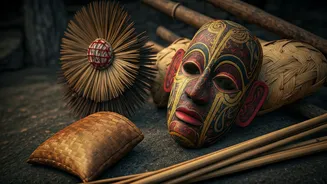
The most visually stunning art form to emerge from the Sattras is *Mukha Shilpa*, the tradition of mask-making. These are not static, decorative objects. They are dynamic, expressive characters designed for the *Bhaona*, a traditional religious theater that brings epic Hindu tales to life. Artisans, often monks themselves, begin with a split bamboo frame, meticulously shaping it into the form of a god, a demon, or a heroic animal. Layers of cloth dipped in a mixture of clay and cow dung are applied, dried, and polished, creating a surface for vibrant, natural pigments. The result is a lightweight yet incredibly dramatic mask, some towering over 10 feet tall, that allows an actor to embody a mythological being. To witness a mask being made or worn in a performance is to see a story leap from scripture into breathtaking reality.
A Life Woven From Bamboo
While the masks are the artistic pinnacle, their core material—bamboo—is the thread that weaves through every aspect of life on Majuli. It is a resource born of necessity and elevated by ingenuity. On the island, you will live in the shade of bamboo, cross bridges made of bamboo, and see homes constructed entirely from its sturdy stalks. It is whittled into fishing tools, woven into baskets, and fashioned into furniture. This ubiquity makes the artistic use of bamboo all the more profound. The same plant that provides shelter and serves practical needs is also the medium for the highest spiritual expression. This seamless integration of the sacred and the everyday is the true essence of Majuli’s craft culture; art is not a luxury, but a fundamental part of a sustainable, resourceful life.