


Beyond the Butter Chicken Monopoly
Let’s get one thing straight: North Indian food, particularly from the Punjab region, is fantastic. Its rich, dairy-laden curries and tandoor-baked breads became the ambassadors of Indian cuisine in the West for a reason—they are comforting, flavorful,
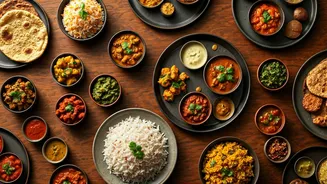
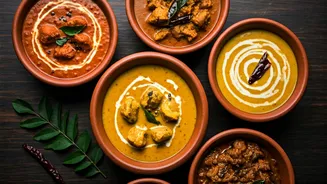
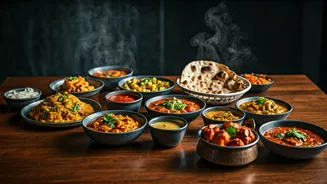
and relatively easy to adapt for Western palates. For decades, Indian restaurateurs in the U.S., UK, and beyond built their businesses on this model, creating a standardized menu that was reliable and recognizable. Chicken tikka masala, a dish likely invented in Britain, became the de facto symbol of an entire subcontinent’s culinary output. This unintentional monopoly, however, did a disservice to the staggering diversity of India’s food culture. It created a monolith where none existed, flattening the distinct culinary identities of dozens of states and regions. The food of the south—lighter, spicier, and built on an entirely different foundation of ingredients—was often relegated to home kitchens or niche community eateries, largely invisible to the mainstream diner.
A Taste of the South: Rice, Coconut, and Tang
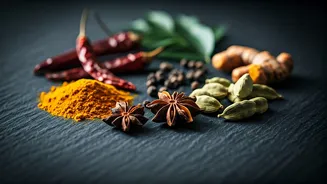
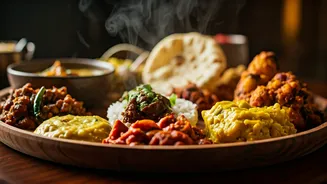
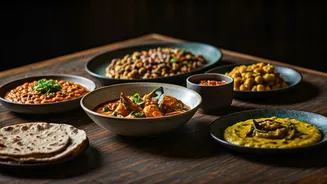
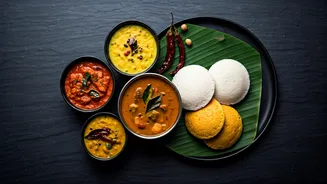
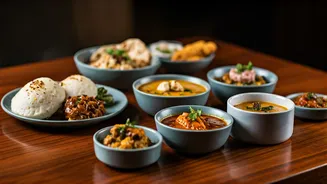
So, what exactly is South Indian food? While it’s still a massive region encompassing states like Kerala, Tamil Nadu, Karnataka, Andhra Pradesh, and Telangana, some common threads separate it from its northern counterpart. Forget wheat-based naan; the south runs on rice. It appears as fluffy steamed grains, fermented into tangy batters for crêpes (dosa) and steamed cakes (idli), or ground into flour for tender string hoppers (idiyappam). Flavor profiles lean bright and sharp. Tamarind provides a signature sourness, fresh coconuts are used for everything from creamy curries to dry chutneys, and curry leaves, mustard seeds, and dried red chiles form the sizzling, aromatic base of countless dishes. Lentils and vegetables are the stars of the show, with staples like sambar (a tangy lentil stew) and rasam (a fiery, thin soup) appearing at nearly every meal. Meats and seafood are certainly present, especially in coastal regions like Kerala, but the cuisine is famously rich in spectacular vegetarian and vegan options.
The Signs of a Delicious Shift
The 'long-overdue respect' isn't just a feeling; it’s quantifiable. The most visible sign came in 2022, when Semma, a New York City restaurant focusing on rustic Tamil cuisine, earned a Michelin star—a first for a South Indian restaurant in the U.S. Chef Vijay Kumar didn't tone down his flavors; he celebrated them, serving snail curry and bone marrow with a confidence that announced a new era. Across the country, a new generation of chefs and restaurateurs are proudly highlighting their specific regional roots. Instead of opening yet another generic 'Indian Palace,' they're opening Keralite, Chettinad, or Andhra-style spots. Food media is catching on, with publications finally exploring the differences between an appam and an uttapam. This isn't about replacing North Indian food; it's about expanding the definition of what 'Indian food' can be, creating a more complete and accurate picture.
Why Now? A Recipe for Recognition
Several factors are simmering together to create this moment. First, second-generation immigrant chefs are coming of age, armed with formal culinary training but a deep desire to cook the food of their parents and grandparents with pride and precision. They are no longer content to just assimilate; they want to celebrate their heritage. Second, American diners have become more adventurous. Decades of food television, travel, and the internet have cultivated a curiosity for authenticity and novelty. A diner who has mastered the art of eating pho or seeking out regional Sichuan specialties is ready for the complexities of a Keralan sadya (a multi-course feast served on a banana leaf). Finally, there’s the power of representation. As chefs and writers from the diaspora gain platforms, they are using them to tell their own stories, correcting the record and introducing audiences to the dishes that truly represent home for hundreds of millions of people.