


The Protein Revolution
For generations, the Indian diet has been rich in carbohydrates and plant-based fats, with protein primarily coming from lentils (dal), chickpeas, and dairy. While nutritious, it wasn't explicitly 'protein-focused' in the way a Western fitness enthusiast
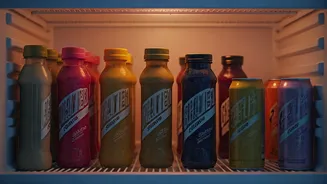
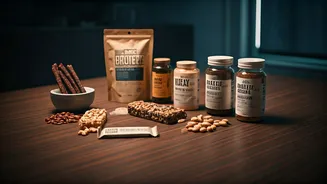
might understand it. But that's changing, and fast. In cities across India, a new consumer class with more disposable income and global-level aspirations is rewriting the rules. This isn't just about a few bodybuilders in Mumbai; it’s a mainstream movement. Market reports show India's protein supplement market is exploding, projected to grow by double digits annually. This demand isn't just for whey protein tubs anymore. It’s for everyday foods—from breakfast cereals to evening snacks—that are fortified with protein, making it easier than ever to hit daily intake goals without sacrificing convenience.
Fueled by Screens and Ambition
So, what's driving this hunger for protein? A perfect storm of economic and cultural factors. First, rising incomes give young professionals the means to invest in their health and wellness. Second, urbanization has moved millions into cities, where gym culture and fitness are status symbols. But the biggest accelerator is social media. Instagram and YouTube are flooded with Indian fitness influencers and Bollywood stars showcasing chiseled physiques and protein-packed meal preps. This has normalized the idea that building muscle and being strong is a desirable goal for both men and women, shifting cultural ideals away from a leaner, slighter body type. For this generation, a high-protein diet isn't just about health; it's a core part of a modern, aspirational lifestyle.
Flavor Is Non-Negotiable
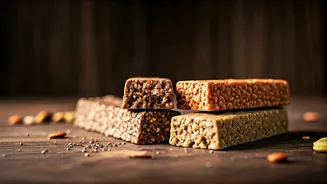
Here's where the Indian trend diverges sharply from its American counterpart. While the U.S. market tolerated chalky protein bars and bland shakes for years, Indian consumers have zero patience for food that doesn't taste amazing. The demand is for products that integrate seamlessly into their existing culinary world. This isn’t about replacing dal and roti; it's about enhancing them. Entrepreneurs are finding huge success by innovating within traditional frameworks. Think high-protein dosa and idli mixes, protein-infused multigrain breads for making sandwiches, and savory snacks like roasted chickpeas dusted with masala spices. The most successful brands aren't asking consumers to adopt a foreign diet; they're giving them a '2.0' version of the foods they already love. If it doesn't taste good—specifically, if it doesn't deliver the complex, savory, and spicy notes of Indian cuisine—it simply won't sell.
A Gold Rush for Startups
This consumer demand has ignited a gold rush for direct-to-consumer (D2C) startups. Brands like The Whole Truth, Yoga Bar, and Kapiva are becoming household names by offering clean-label, high-protein products that speak directly to the millennial and Gen Z ethos. They use savvy digital marketing, transparent ingredient lists, and packaging that looks more at home in a trendy Brooklyn pantry than a traditional Indian kitchen. These companies are rapidly chipping away at the market share of legacy food giants, who are now scrambling to catch up by launching their own protein-fortified lines. It's a classic disruption scenario: nimble startups saw a cultural shift that large corporations missed, and they are now reaping the rewards. For American brands looking to enter the Indian market, the lesson is clear: you can't just ship over your U.S. bestsellers. You have to innovate for the Indian palate.