


First, The Practicality
Let’s start with the bottom line: growing your own food can save you money. While there’s an initial investment in soil, seeds, and containers, the returns are tangible. A single packet of lettuce seeds, costing a few dollars, can produce months of fresh
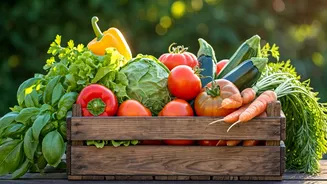
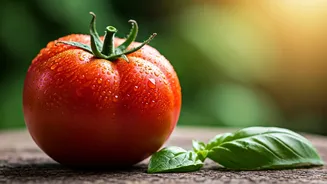
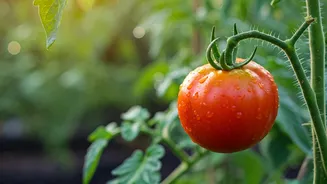
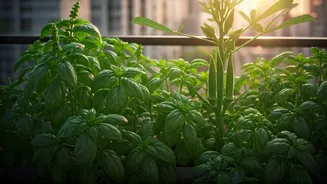
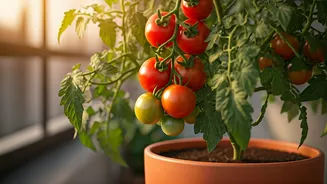
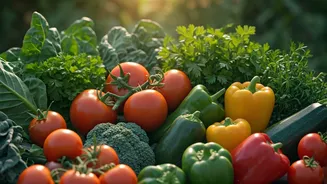
salads, saving you from buying expensive plastic clamshells at the grocery store. A well-tended tomato plant can yield dozens of fruits, far fresher and more flavorful than anything shipped across the country. Herbs are another major win. Instead of buying a pricey, plastic-wrapped bunch of basil for one recipe, you can snip exactly what you need from a pot on your windowsill, and it will keep growing back. Beyond the budget, there’s the unbeatable practicality of freshness and control. When you grow your own food, you know exactly what went into it. You can choose to garden organically, avoiding pesticides and chemicals. The nutritional value is also at its peak. Vitamins and antioxidants in produce begin to degrade the moment they are picked. Harvesting a bell pepper from your patio and slicing it for dinner minutes later ensures you’re getting the maximum health benefit, not to mention unparalleled flavor.
Yes, It Can Be Cute
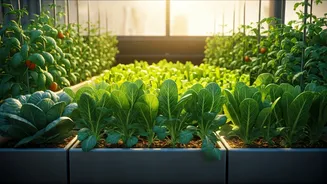
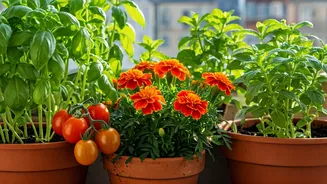
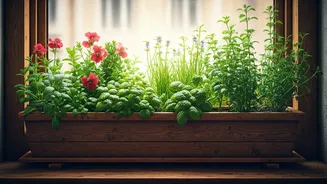
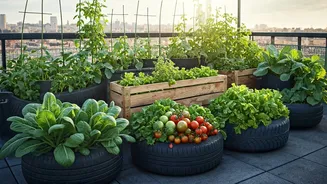
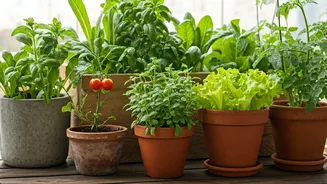
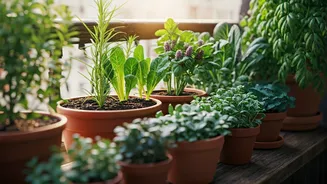
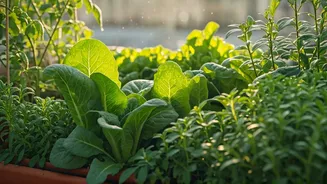
The word “gardening” might conjure images of sprawling, rustic farm plots, but an edible garden can be as stylish and compact as you want it to be. This is where the “cute” factor comes in, especially for those with limited space like apartment balconies, patios, or sunny kitchen windows. Container gardening is your best friend here. Think colorful ceramic pots filled with vibrant Swiss chard, terra-cotta planters overflowing with trailing strawberries, or sleek window boxes packed with a mix of culinary herbs like rosemary, thyme, and oregano.
Vertical gardens are another fantastic solution, turning a blank wall into a living pantry. You can use tiered planters, wall-mounted pouches, or trellises for climbing plants like peas and beans. Aesthetics and function can merge beautifully. The deep purple of an eggplant, the bright red of a cherry tomato, or the frilly leaves of different lettuce varieties add texture and color. You can even mix in edible flowers like nasturtiums or pansies, which add a pop of beauty to both the garden and your salads. An edible garden doesn’t have to be a messy chore; it can be a curated, living design element.
The Unexpected Rewards
Perhaps the most powerful aspect of edible gardening is how deeply rewarding it is on a personal level. The simple act of nurturing a plant from a tiny seed to a productive harvest offers a profound sense of accomplishment. It’s a gentle, mindful activity that encourages you to slow down and observe the small changes of daily growth. For many, it’s a form of stress relief—a quiet, screen-free way to connect with the natural world.
There’s also the joy of cooking with ingredients you grew yourself. The flavor is one thing, but the pride is another. That simple tomato sauce or fresh mint tea tastes infinitely better when you’ve been part of its entire journey. It fosters a deeper appreciation for food and the effort it takes to produce it. Finally, it’s a gateway to learning. You’ll learn about seasons, soil, sunlight, and the delicate ecosystems at play even in a single pot. It’s a skill that grows with you, offering new lessons and delicious results year after year.