



The 'Why' Behind the June Snip
Think of June pruning as a friendly conversation with your plants. After their explosive spring growth spurt, they're ready for a little guidance. Left unchecked, many plants will become “leggy”—tall and spindly with fewer leaves and flowers—as they pour
energy into getting taller instead of fuller. A timely trim redirects that energy. It encourages plants to branch out, creating a bushier, more robust structure. It also improves air circulation around the leaves, which is crucial in the often-cramped quarters of a balcony garden for preventing common fungal diseases like powdery mildew. This isn't about punishment; it's about setting your garden up for a long, healthy, and beautiful season.
Your Simple Pruning Toolkit
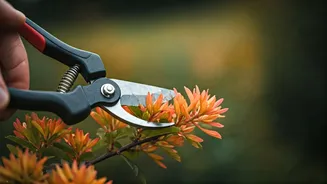
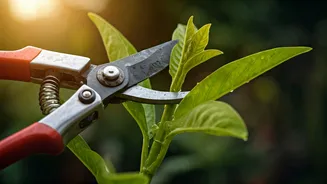
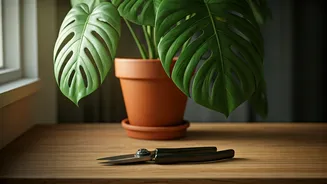
You don’t need a shed full of tools for a balcony garden. In fact, you can accomplish most tasks with just two or three key items. First, a good pair of micro-snips or sharp floral scissors are perfect for delicate stems and deadheading flowers. For slightly woodier stems on plants like rosemary or small tomato branches, a pair of bypass pruners (the kind with a blade that sweeps past a lower hook, like scissors) will make a clean cut without crushing the plant tissue. For many soft-stemmed herbs and annuals, your own fingertips are the best tool for pinching back new growth. Pro tip: Always clean your tools before and after use with a little rubbing alcohol on a cloth. This simple step prevents the spread of disease from one plant to another.
Pinching, Deadheading, and Shaping
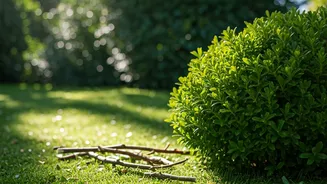
These are the three main moves in your pruning arsenal. **Pinching** is just what it sounds like: using your thumb and forefinger to pinch off the very tip of a growing stem. This removes the apical bud, which signals the plant to send out side shoots, resulting in a fuller, less lanky plant. **Deadheading** is the practice of removing spent or faded flowers. This not only tidies up the plant’s appearance but, more importantly, it stops the plant from putting energy into making seeds. Instead, the plant is encouraged to produce more blooms. **Shaping** is the more artful part of pruning, where you selectively trim branches to maintain a pleasing shape, remove any awkward or crossing stems, and improve the overall structure and light exposure for the plant.
Herbs: From Leggy to Lush
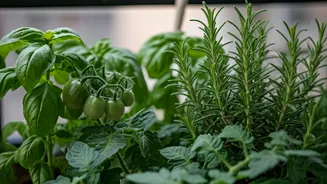
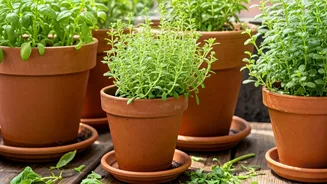
Your balcony herbs are begging to be pruned. For bushy herbs like basil, mint, and oregano, regular harvesting is the best form of pruning. When you need basil, don't just pull off a few bottom leaves. Instead, snip the stem right above a set of two leaves. This will encourage that spot to branch into two new stems. For mint, which can be an aggressive grower, don't be afraid to give it a significant haircut to keep it contained and encourage tender new growth. For woody herbs like rosemary and thyme, a light trim after their first flush of spring growth will keep them from becoming too gnarled and unproductive. Always cut just above a leaf node.
Flowers: Encourage an Endless Summer
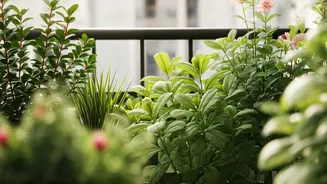
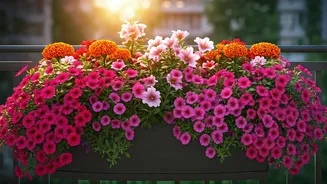
Many of the most popular balcony annuals are magnets for a June pruning. Mounding flowers like petunias and calibrachoa (Million Bells) can get leggy by mid-summer, with long, trailing stems and fewer flowers. Don't hesitate to give them a haircut, trimming back about a third of their length to encourage a fresh wave of dense growth and blooms. For plants like geraniums, zinnias, and marigolds, diligent deadheading is key. As soon as a flower starts to fade, snip it off at the base of its stalk. You’ll be rewarded with a continuous supply of color. For foliage-focused plants like coleus, pinching back the tips regularly will keep them from getting tall and sparse, ensuring a full, vibrant mound of colorful leaves.
Tomatoes and Peppers: Pruning for Production
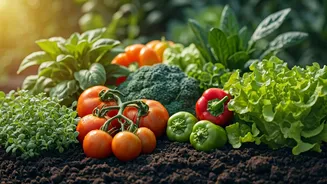
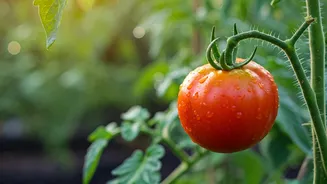
For urban gardeners coaxing fruit from containers, pruning is about maximizing yield. On indeterminate tomato varieties (the vining kind), look for “suckers”—the small new shoots that appear in the 'V' between the main stem and a branch. In a container, it’s best to pinch these off. This directs all the plant's energy into the main stem and its fruit, rather than into producing more foliage. For bushier determinate varieties, less pruning is needed, but you should still remove any lower leaves that are touching the soil to prevent disease. For peppers, pinching off the very first few flowers can encourage the plant to put more energy into growing bigger first, resulting in a sturdier plant that can support more fruit later in the season.